Stables & Ranches · Utah
Stables & Ranches in Utah
Ride 26 stables across Utah. Maps, hours, contact info, photos, and verified operator profiles, all in one place.
Mighty Five national parks plus the Wasatch and the Uintas.
About Utah
Best time to go
When to ride in Utah
April through October. Winter belongs to the Wasatch.
- June–September: the dude-ranch and pack-trip window the whole region waits for
- Book ranch stays months ahead, peak-summer weeks sell out
- Snow keeps high trails closed into late spring; lower valleys open first
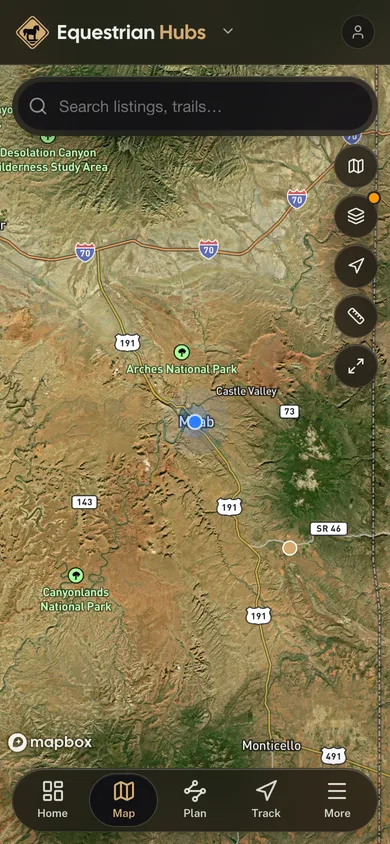
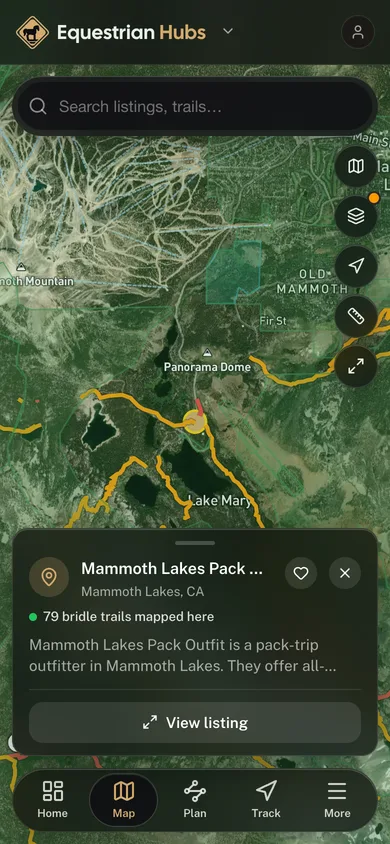
26 on the map
Tap a pin to open its profile.
Quick facts
- Bridle trails mapped
- 336
- Stables listed
- 26
- Best season
- April through October
All listings
26 stables
across Utah
Plan your trip
Plan your trip to Utah
Equine Activity Liability Act
Utah has an Equine Activity Liability Act (Utah Code Ann. § 78B-4-201 et seq.) which limits liability for equine activity sponsors and professionals for inherent risks of equine activities. Operators typically require participants to sign waivers and often post warning signs.
Riding Season & Weather Windows
Riding season varies significantly by elevation and region. Southern Utah offers year-round riding in lower elevations, while mountain trails are typically accessible from late May/early June through October, depending on snowpack. Summers can be hot, especially in the south, making early morning rides preferable.
Public Land Horseback Access
Horseback riding is generally permitted on designated trails within Utah's national forests, BLM lands, and many state parks. Always check with the specific land management agency for current regulations, trail conditions, and any required permits, especially for commercial operations or large groups.
English vs. Western Disciplines
Western riding dominates in trail riding stables and guest ranches, particularly in the southern and eastern parts of the state. English disciplines are prevalent in riding academies and training barns, especially along the Wasatch Front. Lessons, camps, and guided trail rides are widely available statewide.
Boarding & Training Norms
Most boarding and training barns require proof of a current negative Coggins test for all horses entering the facility, and often health certificates for out-of-state horses. Helmet use for minors is generally required by many facilities and recommended for all riders, though specific rules vary by barn.
Confirm current requirements with the state agency before your trip. Rules and fees change every season.
Utah Equine Activity Liability Act
Utah Code Ann. § 78B-4-201 et seq. limits the liability of equine activity sponsors and professionals for injuries resulting from the inherent risks of equine activities. Participants are typically required to acknowledge these risks through waivers and warning signs.
Brand Inspection and Health Certificates
Horses entering Utah from out-of-state must have a current Certificate of Veterinary Inspection (CVI) issued within 30 days and often a negative Coggins test within 12 months. Brand inspections may be required for horses being transported across state lines or changing ownership within Utah. Verify specific requirements with the Utah Department of Agriculture and Food.
Utah Department of Agriculture and FoodPublic Land Use Permits
Commercial outfitters offering guided trail rides or pack trips on National Forest or BLM lands are required to obtain specific Special Use Permits from the respective agencies. Private riders generally do not need permits for casual use but should adhere to Leave No Trace principles.
Manure Management
Equestrian facilities and operations are subject to state and local regulations regarding manure storage and disposal to prevent water contamination and manage odors. Best management practices are encouraged to ensure environmental compliance and animal welfare.
- 01
1. Determine Your Equestrian Goal
Guided trail rides, lessons, a guest ranch stay, or boarding and training for your own horse, pick one, and the field of Utah operations narrows fast.
- 02
2. Choose Your Region & Season
Region and season decide everything here: the red rock south rides year-round at low elevation, while the mountain trails wait on snowmelt. Match your dates to your terrain.
- 03
3. Research & Contact Operators
Use a directory like Equestrian Hubs to shortlist guest ranches, stables, or barns, then contact them directly about availability, services, rates, and requirements like Coggins tests or helmet policies.
- 04
4. Understand Local Regulations
Read up on Utah's equine liability laws, and on public-land access rules if you plan to ride independently. Boarding your horse? Confirm the facility's health-document requirements first.
- 05
5. Prepare for Your Trip
Pack riding attire suited to the season, helmets where required, and, if you're hauling your own horse, current health records and proof of insurance.
01Are helmets required for horseback riding in Utah?
02What are the Coggins test requirements for horses traveling to Utah?
03Can I ride my own horse on public lands in Utah?
04What kind of riding disciplines are most common in Utah?
05What is the best time of year for a guest ranch or trail riding vacation in Utah?
06Are there opportunities for multi-day pack trips in Utah?
Free tools
Your free outdoor toolkit

Everything Map
Listings, trails, spots, clubs and public land on a single full-screen map. Switch layers on and off, then tap any point for the details.
Open Everything MapTrail Explorer
Browse a community map of named trails with distance, difficulty, and where each one starts.
Open Trail ExplorerRoute Planner
Drop stops on a map and watch distance and drive time add up. Export a GPX or share the link.
Open Route PlannerRiding Clubs
Browse local clubs with meeting info and how to join, or start your own for free.
Open Riding ClubsPhoto ID
Point your camera at whatever you found and get a structured identification. No signup.
Open Photo IDGear Checklists
Printable, save-as-you-go packing lists. Tick items off and pull them up on your phone.
Open Gear Checklists


Keep exploring