Skip to content
Top-rated outdoor gear, ranked

Best Of 2026

Best Equestrian Helmets of 2026

Our top 10 picks, independently ranked. Budget to premium.

A riding helmet is the single most important piece of gear a horseback rider owns, and unlike a saddle or a pair of boots, it has exactly one job: protect your skull and brain when you come off, and at some point, every rider does. The good news for beginners, lesson students, and trail riders is that every helmet sold in the U.S. for equestrian use must pass the same baseline crash standard (ASTM F1163) and carry an independent SEI certification sticker. A $50 schooling helmet that fits you correctly is genuinely safer than a $600 show helmet that sits wrong on your head. Fit beats price, full stop.

Where your money actually goes is comfort, ventilation, weight, adjustability, and increasingly, rotational-impact technology like MIPS. The low end of the market (Troxel, Ovation, IRH), gives you a certified, dial-fit helmet you can ride in tomorrow for the price of a tank of gas. The middle, led by helmets like the Charles Owen Kylo and the One K Defender, is where MIPS, better airflow, and a more refined fit show up without a four-figure invoice. The premium tier (Charles Owen Ayr8 Plus, Samshield) buys you hand-finished shells, custom sizing, and show-ring polish, real quality, but well past the point of diminishing safety returns for someone learning to post the trot.

This guide spans that whole spectrum on purpose, because the place most riders get bad advice is the gap between the $45 starter lid and the $550 status helmet. We've ranked by overall recommendation for the everyday rider, not by price, so the helmet at #1 is the one we'd hand the most riders, not the most expensive one in the test.

At a glance

#ProductPrice
1$148–$185
2$70–$95
3$45–$65
4$250–$320
5$90–$120
6$40–$65
7$549–$619
8$180–$320
9$470–$560
10$330–$360
Charles Owen Kylo (with MIPS)
Best OverallMid-range

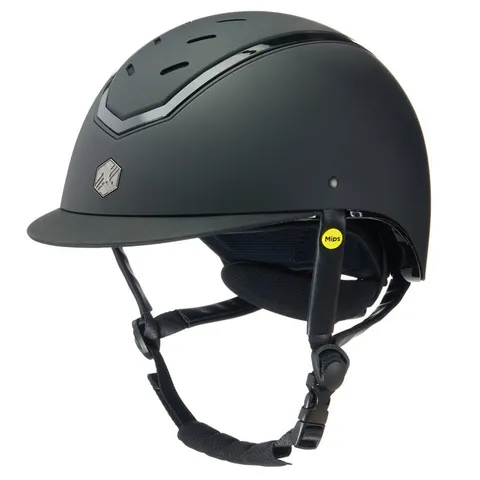
1. Charles Owen Kylo (with MIPS)

Charles Owen

$148–$185

A dial-fit, MIPS-equipped helmet from one of the most respected names in equestrian safety, at a price most riders can stomach: it hits the sweet spot of fit, protection, and value better than anything else on the list.

Best for: The rider who wants the best balance of safety, fit, and price in one helmet

MIPS rotational protection at a true mid-range price · Dial-fit system plus a universal shape that suits round and oval heads · 360° ventilation system keeps it cool on the trail · Backed by Charles Owen's safety pedigree and multi-standard certification

Sold mainly through tack shops, not Amazon, so fewer instant-ship options · Styling is understated, not a flashy show helmet

IRH Equi-Pro SV
Best ValueBudget

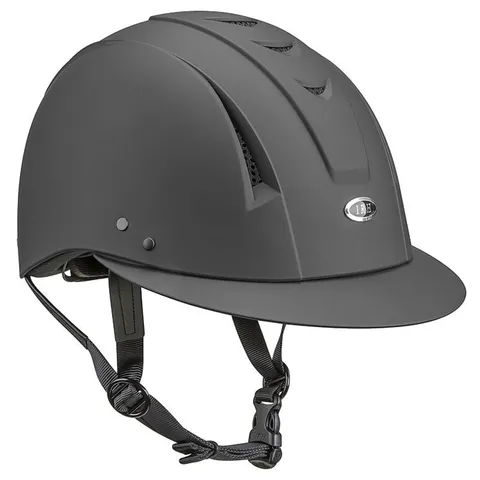
2. IRH Equi-Pro SV

IRH

$70–$95

A genuine workhorse: a dial-fit, SEI-certified schooling helmet with a sun visor and surprisingly good front ventilation for well under $100.

Best for: Lesson students and trail riders who want the most helmet per dollar

Dial-fit system for a custom, secure fit at a budget price · Effective front ventilation and an integrated sun brim for trail riding · Matte finish that looks more expensive than it is · ASTM/SEI certified

No MIPS option · Heavier and less refined than mid-tier helmets

Troxel Spirit
Best BudgetBudget

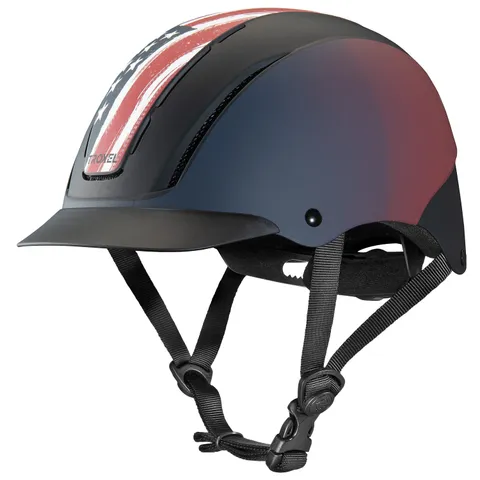
3. Troxel Spirit

Troxel

$45–$65

The best-selling schooling helmet in America for a reason: certified, dial-fit, low-profile, and cheap enough to be a no-brainer first helmet.

Best for: First-time buyers and barns outfitting beginner lesson riders

DialFit system makes sizing easy for new riders · Low-profile, full-coverage design with good airflow · Wide range of colors and sizes, including kids · Extremely affordable and SEI certified

Basic padding and no MIPS · Foam liner and harness feel entry-level next to pricier helmets

One K Defender
Editor's PickMid-range

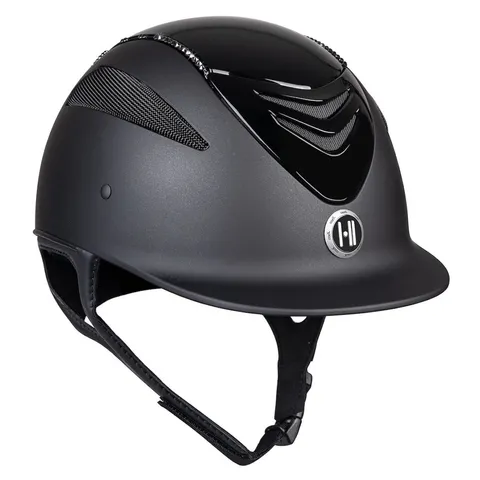
4. One K Defender

One K

$250–$320

A show-ring-worthy look with everyday durability: the Defender's composite shell, five-vent airflow, and moisture-wicking liner have made it a barn favorite that punches above its price.

Best for: Riders who want one helmet that crosses over from daily schooling to the show ring

Polycarbonate/ABS composite shell with five ventilation ports · Quick-dry, anti-odor moisture-wicking liner · Sleek styling that works for schooling and showing alike · MIPS available in the CCS version if you want rotational protection

Base Defender does not include MIPS (step up to the CCS for that) · Runs toward the upper end of mid-tier pricing

Tipperary Sportage 8500
Budget

5. Tipperary Sportage 8500

Tipperary

$90–$120

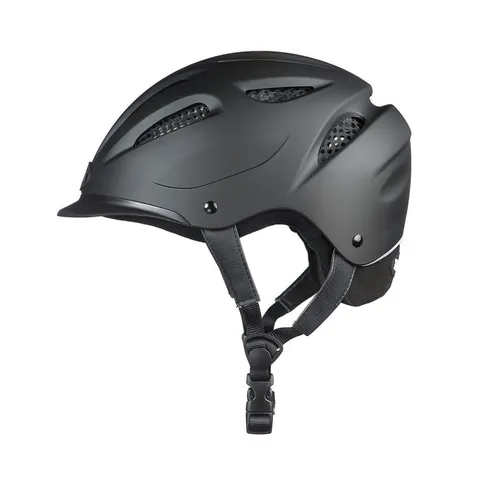
Eleven mesh vents and a featherweight shell make this the go-to lightweight helmet for hot-weather trail and Western pleasure riders on a budget.

Best for: Trail and Western riders who want maximum ventilation for the price

11 mesh-covered vents for excellent airflow · Very lightweight ABS shell, comfortable for long rides · Low-profile rubberized flex visor; popular for Western and trail · ASTM F1163 / SEI certified

No MIPS · Open-vent styling is more casual than show-oriented

Ovation Deluxe Schooler
Budget

6. Ovation Deluxe Schooler

Ovation

$40–$65

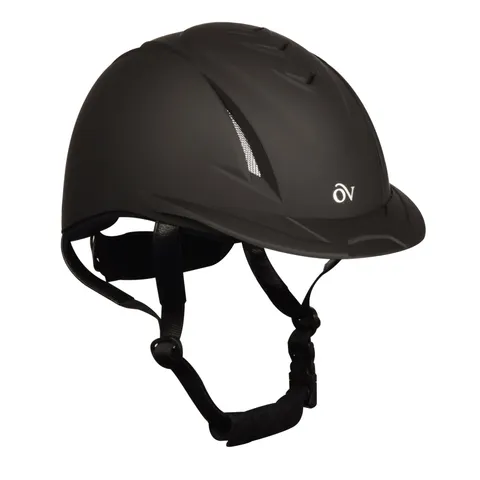
A reliable, low-profile dial-fit schooling helmet with a washable liner and breakaway visor, a steady alternative to the Troxel Spirit at a similar price.

Best for: Budget-conscious lesson riders who want a washable, fuss-free helmet

Easy-adjust dial fit and low-profile shape · Removable, washable liner keeps it fresh · Removable breakaway visor for safety · Affordable and widely available

Plain styling and no MIPS · Fit shape suits rounder heads better than long-oval

Charles Owen Ayr8 Plus
Best PremiumPremium

7. Charles Owen Ayr8 Plus

Charles Owen

$549–$619

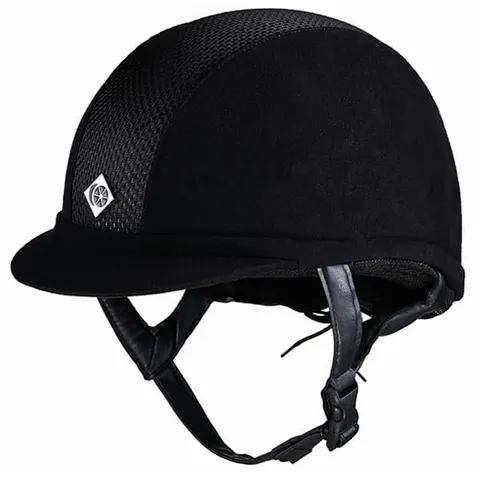
A benchmark show helmet: large rear vents, a structured peak, and the hand-finished build quality that made Charles Owen the name serious riders trust.

Best for: Competitive riders who want a top-tier show helmet that breathes

Outstanding ventilation from large rear vents · Premium build, finish, and refined fit · Certified to multiple international safety standards · Classic, show-ring-correct styling

Expensive, well into four-figure territory with custom options · No MIPS on the standard Ayr8 Plus

Tipperary Royal (Windsor) with MIPS
Mid-range

8. Tipperary Royal (Windsor) with MIPS

Tipperary

$180–$320

Tipperary's dressier line brings MIPS and a wide-brim option to a mid-tier price, blending the brand's ventilation know-how with a more polished, show-ready shape.

Best for: Riders wanting a sun brim and optional MIPS without premium prices

MIPS available in the Windsor MIPS configuration · Wide-brim version offers excellent sun coverage for trail · Good ventilation carried over from Tipperary's sport line · More refined styling than the Sportage

Pricing varies widely by retailer and trim · The base Royal does not include MIPS. Confirm the version you're buying

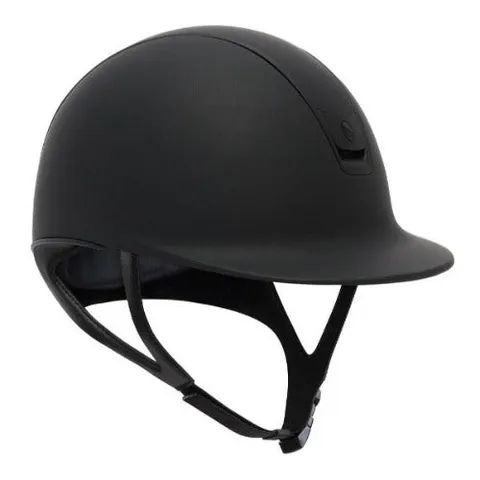
Samshield 2.0 Shadowmatt
Premium

9. Samshield 2.0 Shadowmatt

Samshield

$470–$560

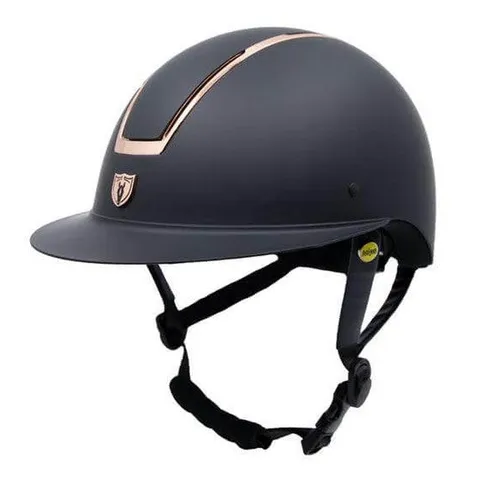
The status helmet of the hunter/jumper ring, now in its 2.0 generation with an enlarged temporal-protection zone and a six-point vent system, luxury build, premium price.

Best for: Show riders who want a premium, customizable statement helmet

Polycarbonate shell with anti-scratch matte coating · Updated 2.0 design adds temporal protection and 6-point ventilation · Highly customizable trims, shells, and finishes · Refined fit and unmistakable show-ring presence

Very expensive, especially with custom options · You're paying significantly for brand and finish over baseline safety

Mid-range

10. One K Defender MIPS CCS

One K

$330–$360

The MIPS-equipped, custom-color-system version of the Defender, the smart pick if you love the Defender's look but want rotational protection built in.

Best for: Defender fans who want MIPS and a custom look in one helmet

Adds MIPS rotational protection to the proven Defender platform · CCS lets you mix shell, vent, and trim colors · Same comfortable, well-ventilated fit as the standard Defender · Show-ring appropriate styling

Noticeably pricier than the non-MIPS Defender · Custom configurations can push the price higher and lengthen lead time

How we choose

We selected helmets that are genuinely available in the U.S. in 2026, that carry current ASTM F1163 / SEI certification, and that real riders actually buy: weighting beginner, lesson-barn, and trail use over show-ring fashion. Within that pool we ranked on the factors that matter when you fall: fit quality and adjustability (dial-fit systems, multiple shells, round vs. oval shape), presence of rotational-impact tech like MIPS, ventilation and weight for long trail days, durability of the shell and harness, and value for money. Tiers are drawn by street price: budget is roughly under $100, mid is about $130–$350, and premium is $400 and up, but tier is a spending bracket, not a safety ranking, since all certified helmets clear the same crash threshold. We have no financial relationship with any manufacturer; product links may be affiliate links that don't affect price or placement, and nothing here was sponsored or supplied by a brand. The single most important rule no ranking can capture: a helmet must fit your head and be replaced after any impact or every ~5 years.

Common questions

No. Every equestrian helmet legally sold in the U.S. must pass the same ASTM F1163 impact standard and carry an SEI certification sticker, so a properly fitted $50 Troxel protects your skull to the same baseline as a $550 Charles Owen. Higher price buys comfort, ventilation, lighter weight, finer fit adjustment, and features like MIPS, not a higher pass on the crash test. Spend your effort getting the fit right before you spend money on the badge.

MIPS (Multi-directional Impact Protection System) is a low-friction layer inside the helmet that lets the shell rotate slightly on impact, redirecting some of the rotational force that's linked to concussions and brain injury. Most real falls are angled, not straight-down, so the technology targets a realistic failure mode. It typically adds $40–$80 to a helmet. For beginners and trail riders, who fall unpredictably, it's a sensible upgrade if it fits your budget, but a non-MIPS certified helmet that fits perfectly still beats a poorly fitted MIPS one.

It should sit level, about one to two finger-widths above your eyebrows, and feel snug all the way around with no pressure points. With the chin strap unbuckled, it shouldn't rock side to side or slide front to back when you shake your head. Dial-fit helmets (Troxel, IRH, One K, Charles Owen Kylo) let you fine-tune the circumference, but the dial can't fix a shell that's the wrong shape, match round-oval vs. long-oval to your head. If you can, try helmets on at a tack shop before buying online.

Immediately after any fall or impact in which your head hit the ground or a hard object, even if there's no visible crack, because the protective EPS foam crushes internally and won't protect you again. Absent any impact, replace it roughly every five years, since the foam and harness degrade with sweat, sun, and time. Don't buy used helmets: you can't verify their impact history.

A certified schooling helmet is perfectly safe for the trail. The main things to look for in a trail-specific pick are strong ventilation for hot days, light weight for long hours, and sometimes a wider sun brim to shade your eyes: features you'll find on the Tipperary Sportage, IRH Equi-Pro SV (wide-brim version), and One K Defender. The sleeker, low-vent 'show' helmets are fine on trail too, just warmer.

No. Equestrian helmets are tested for the specific way riders fall (from greater height, often onto a hooked or angled impact), and certified to ASTM F1163, which differs from bicycle (CPSC) and ski standards. A bike helmet doesn't cover the right area of the head for a riding fall and isn't designed for the impact profile. Always use a helmet certified specifically for horseback riding.

Some links are affiliate links, and we may earn a commission at no extra cost to you. It never affects our rankings.

In your pocket

Take every trail with you.

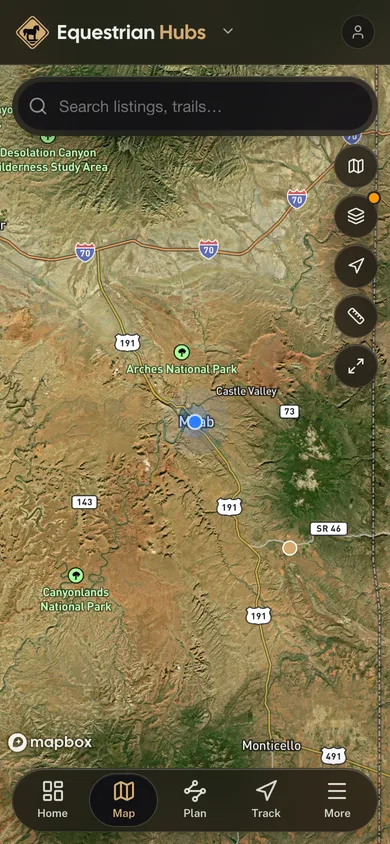
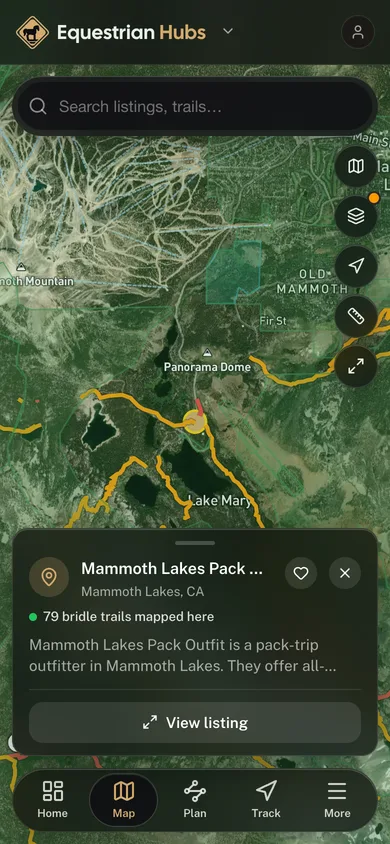
Free, no account needed. Trail maps, ride tracking, and public-land boundaries in your pocket.

  • Every stable and trail system in your pocket

  • GPS-track every ride, hands-free

  • Public-land boundaries with no subscription

  • GPS tracking that keeps recording beyond the trailhead

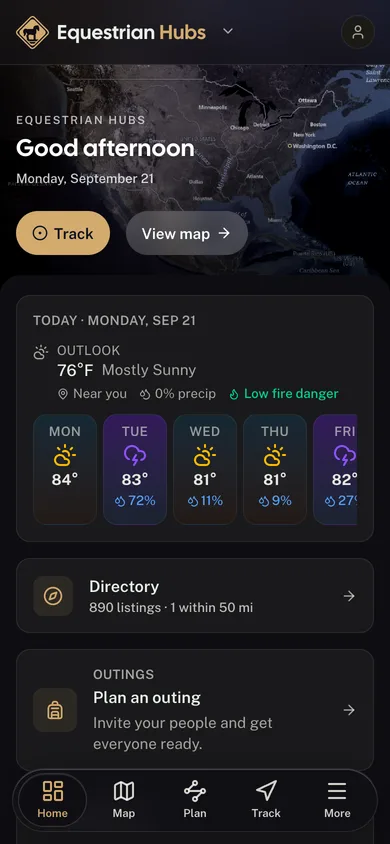
The Equestrian Hubs app dashboard

For operators

Run your equestrian business?
Launch your branded surface.

Get your own branded surface in the Equestrian Hubs app and a directory listing in minutes. Bookings, digital waivers, and your whole operation live in one cockpit.