Stables & Ranches · Wisconsin
Stables & Ranches in Wisconsin
Ride 20 stables across Wisconsin. Maps, hours, contact info, photos, and verified operator profiles, all in one place.
Apostle Islands, the Driftless, and 15,000 lakes.
About Wisconsin
Best time to go
When to ride in Wisconsin
May through October.
- May–June and September–October: the firmest footing and most comfortable temps
- Spring thaw leaves trails muddy, so wait for the ground to firm before heading out
- Winter is indoor season: lessons, dressage, and therapeutic programs peak
20 on the map
Tap a pin to open its profile.
Quick facts
- Bridle trails mapped
- 1
- Stables listed
- 20
- Best season
- May through October
Bridle Trails
Bridle trails across Wisconsin
Tap a trail to trace its route on the map, then open it for the full profile.
All listings
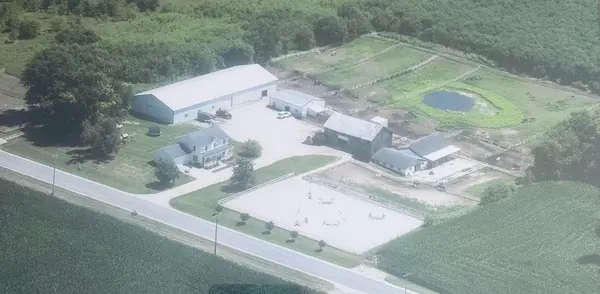
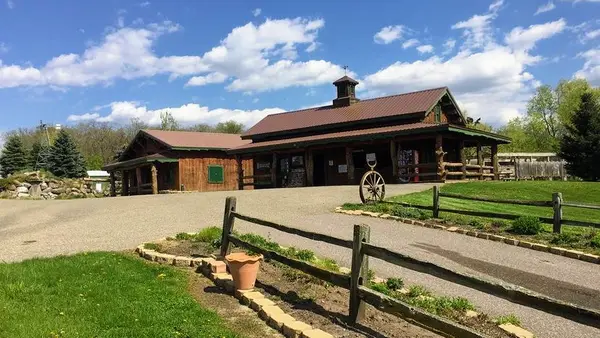
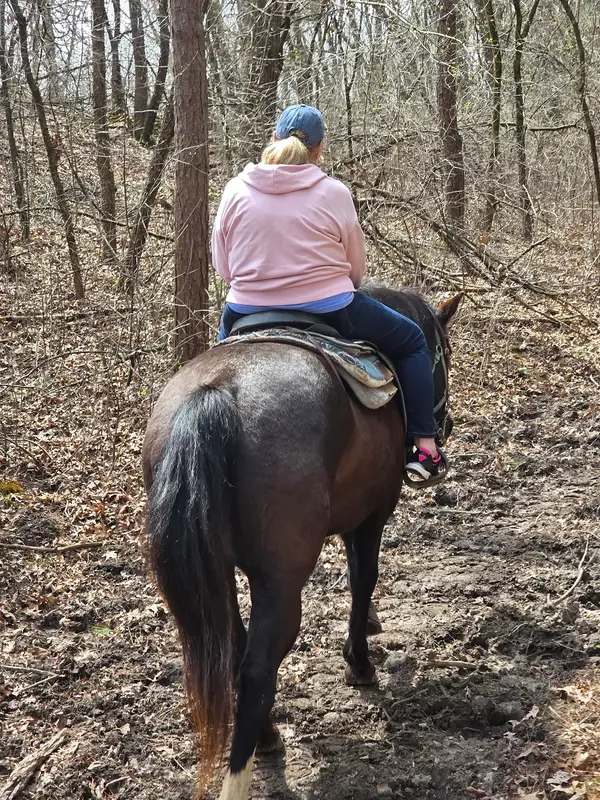
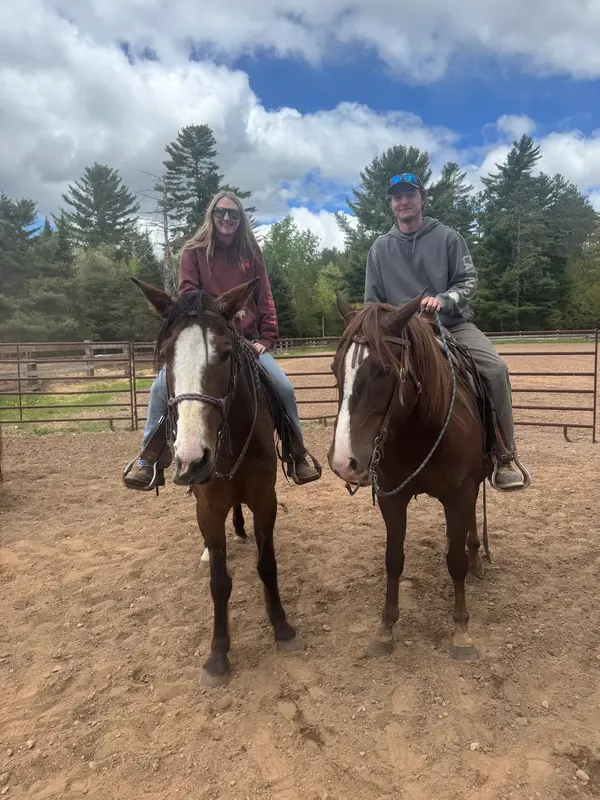
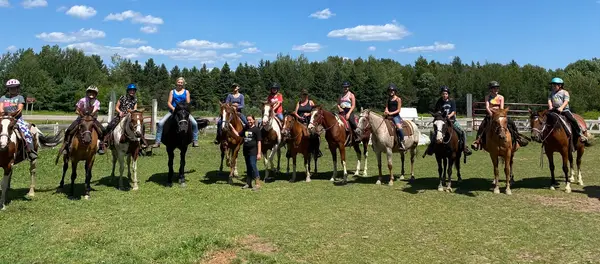
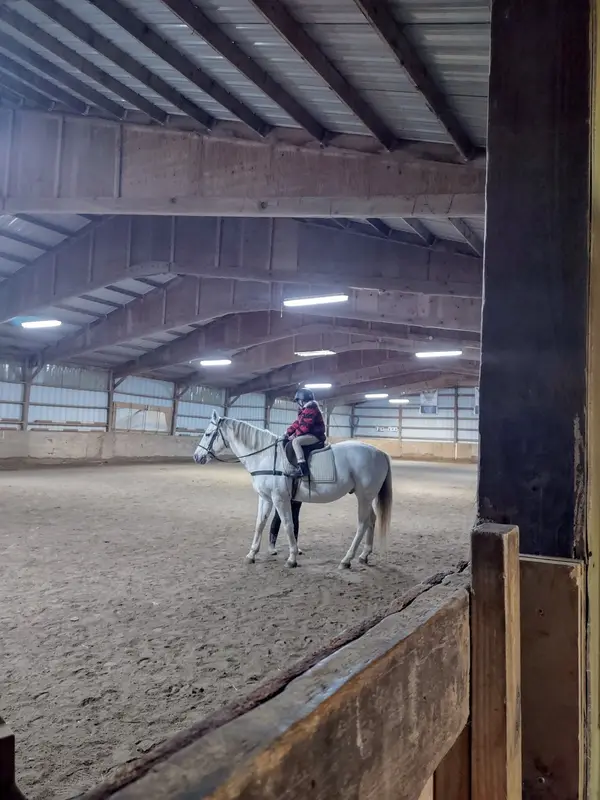
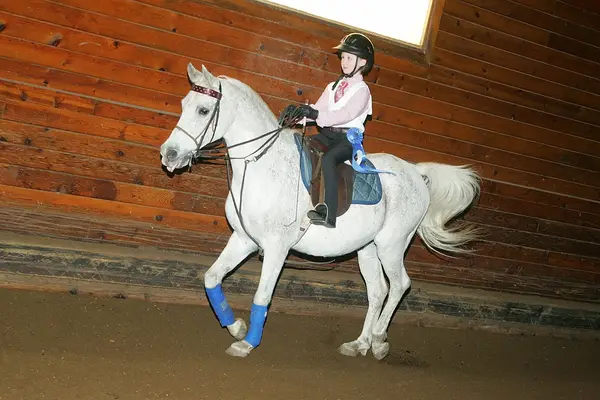
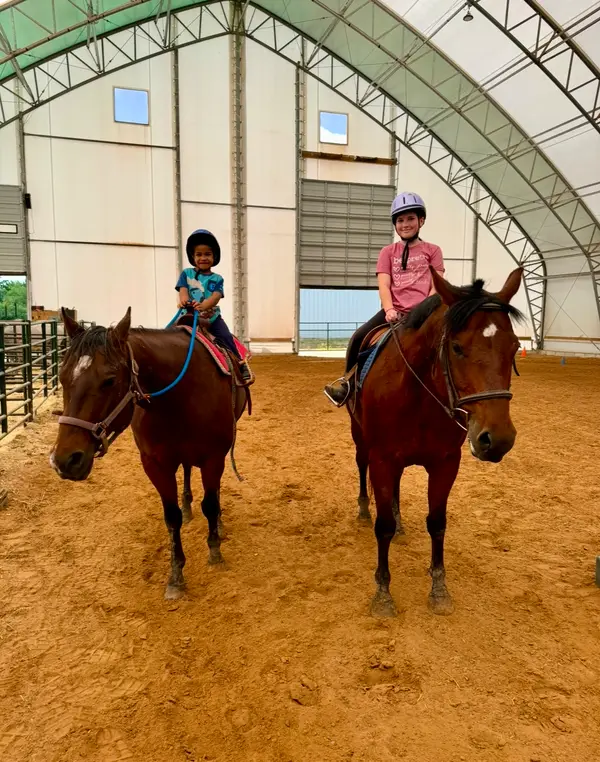
20 stables
across Wisconsin

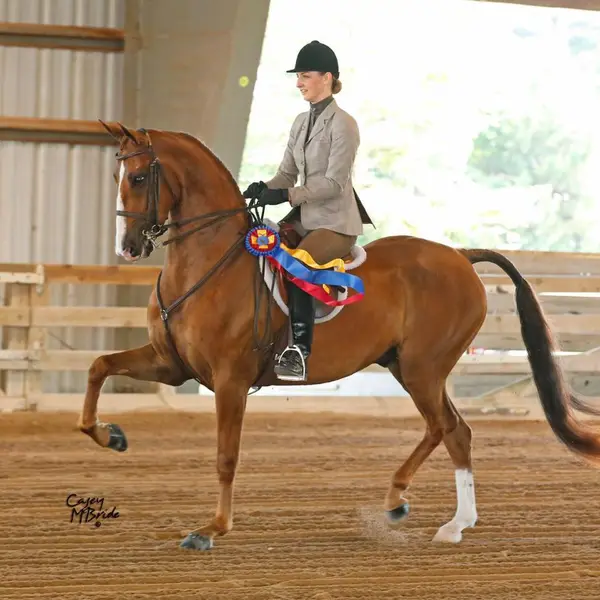
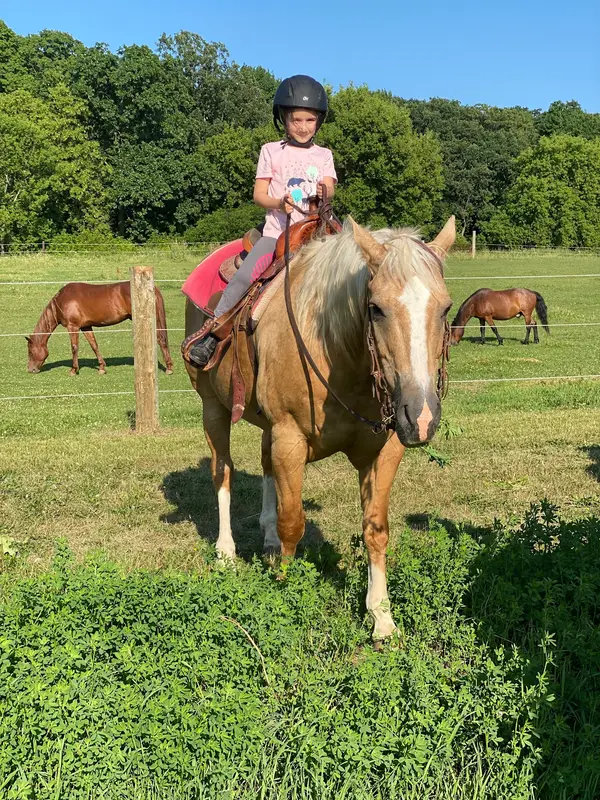
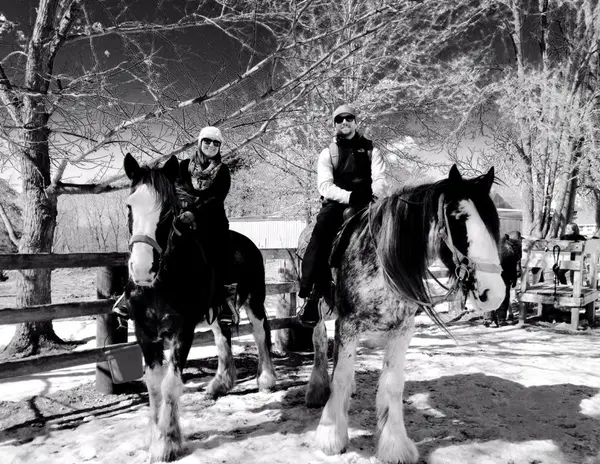

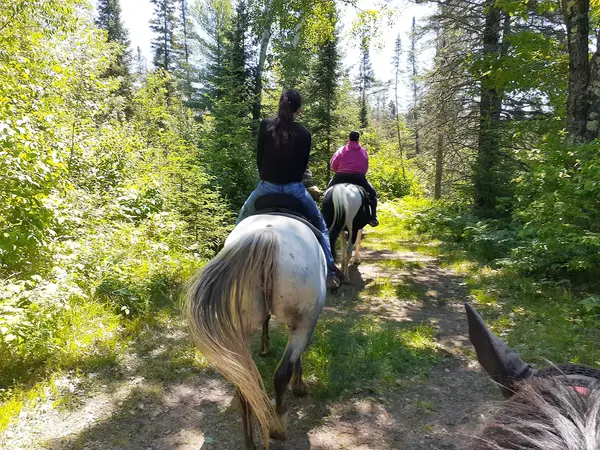
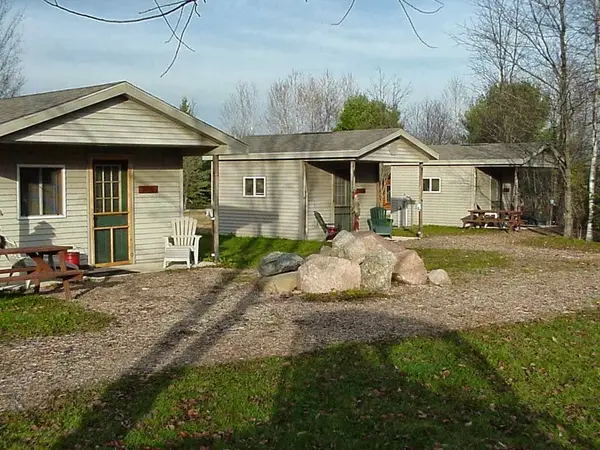
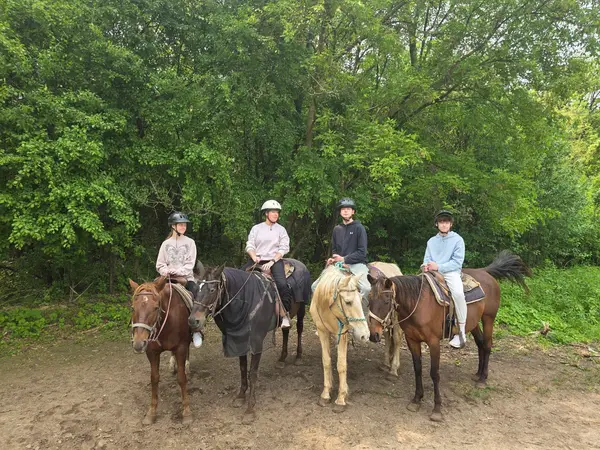
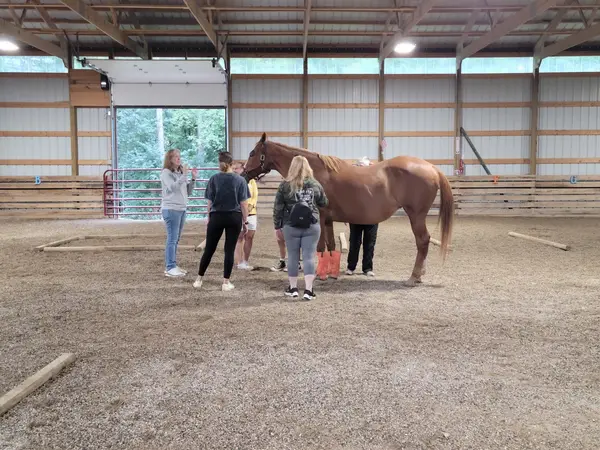
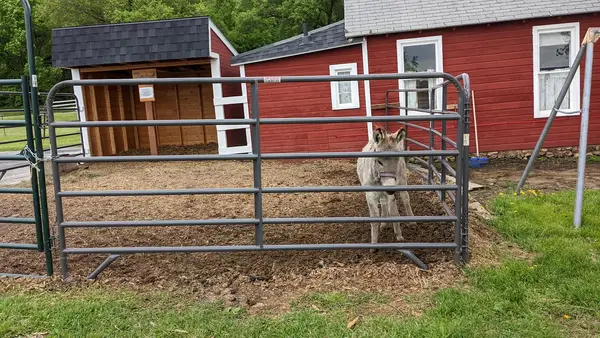
Plan your trip
Plan your trip to Wisconsin
Equine Activity Liability Act
Wisconsin has an Equine Activity Liability Act (Wisconsin Statutes § 895.481), which limits the liability of equine activity sponsors or professionals for injuries arising from the inherent risks of equine activities. Operators typically require participants to sign waivers and may post warning signs.
Riding Season & Weather
The primary riding season generally runs from late April through October, though many indoor facilities allow for year-round lessons and training. Summers can be warm and humid, while spring and fall offer ideal temperatures. Winter riding is possible with appropriate gear and facilities.
Public Land Access
Horseback riding is permitted on designated trails within Wisconsin's State Forests, State Parks (check specific park regulations), and the Chequamegon-Nicolet National Forest. Riders should verify trail conditions and specific access rules with the managing agency before planning a trip.
Disciplines and Availability
Both English and Western riding disciplines are widely available throughout Wisconsin. Western riding, particularly trail riding and pleasure, is common at guest ranches and public trails, while English riding, including hunt seat and dressage, is popular at riding academies, especially near urban centers.
Boarding & Health Requirements
For horse owners bringing their animals to Wisconsin, a current negative Coggins test (for Equine Infectious Anemia) is typically required by boarding facilities and often for entry to public lands or events. Helmet use rules vary by facility; many riding academies mandate helmets for all riders, especially minors.
Confirm current requirements with the state agency before your trip. Rules and fees change every season.
Interstate Health Certificate
Horses entering Wisconsin from out of state must be accompanied by an official Certificate of Veterinary Inspection (CVI) issued within 30 days, along with proof of a negative Coggins test for Equine Infectious Anemia within the past 12 months. This ensures the health of the state's equine population.
Wisconsin DATCPEquine Activity Liability Act Signage
While not a "license," operators of equestrian activities in Wisconsin are strongly advised to post warning signs as outlined in the Equine Activity Liability Act (Wis. Stat. § 895.481) to benefit from the liability protections offered by the statute. This sign informs participants of the inherent risks.
Commercial Operation Licensing
Businesses operating as stables, riding schools, or guest ranches may be subject to various local and state business licenses, permits, and inspections related to animal welfare, public safety, and zoning. Operators should verify specific requirements with their local municipality and the Wisconsin Department of Agriculture, Trade and Consumer Protection (DATCP).
Wisconsin DATCP
- 01
Define Your Riding Goals
A guided trail ride, a lesson program, a guest-ranch stay, and boarding your own horse are different searches with different shortlists. Settle which one you're on before you start calling around.
- 02
Research Wisconsin Locations
Pick the landscape first (the glacial hills of Kettle Moraine, the bluffs of the Driftless, or the big northern forests), and let that choice narrow the operators worth a closer look.
- 03
Contact Equestrian Operations
Get stables, ranches, and academies on the phone. Ask about availability, pricing, paperwork like Coggins tests, and any age or experience limits before you commit to a date.
- 04
Confirm Health and Safety Requirements
Horse owners: have a current Coggins and CVI in hand before crossing into Wisconsin. Every rider: know the facility's helmet policy and expect to sign a liability waiver.
- 05
Plan Accommodations and Travel
Book lodging if you're not staying at a guest ranch, and plan the drive carefully if you're hauling a trailer. Confirm trail access and trailer parking ahead of time when bringing your own horse.
01Are helmets required for all riders at Wisconsin stables?
02What health documents do I need if I bring my own horse to Wisconsin?
03Can I ride my horse on public trails in Wisconsin?
04What is the best time of year for trail riding in Wisconsin?
05Are there opportunities for both English and Western riding lessons?
06Do guest ranches in Wisconsin offer multi-day riding packages?
Free tools
Your free outdoor toolkit

Everything Map
Listings, trails, spots, clubs and public land on a single full-screen map. Switch layers on and off, then tap any point for the details.
Open Everything MapTrail Explorer
Browse a community map of named trails with distance, difficulty, and where each one starts.
Open Trail ExplorerRoute Planner
Drop stops on a map and watch distance and drive time add up. Export a GPX or share the link.
Open Route PlannerRiding Clubs
Browse local clubs with meeting info and how to join, or start your own for free.
Open Riding ClubsPhoto ID
Point your camera at whatever you found and get a structured identification. No signup.
Open Photo IDGear Checklists
Printable, save-as-you-go packing lists. Tick items off and pull them up on your phone.
Open Gear Checklists

Keep exploring