Stables & Ranches · Michigan
Stables & Ranches in Michigan
Ride 21 stables across Michigan. Maps, hours, contact info, photos, and verified operator profiles, all in one place.
Great Lakes shoreline longer than any state, plus the Upper Peninsula wilderness.
About Michigan
Best time to go
When to ride in Michigan
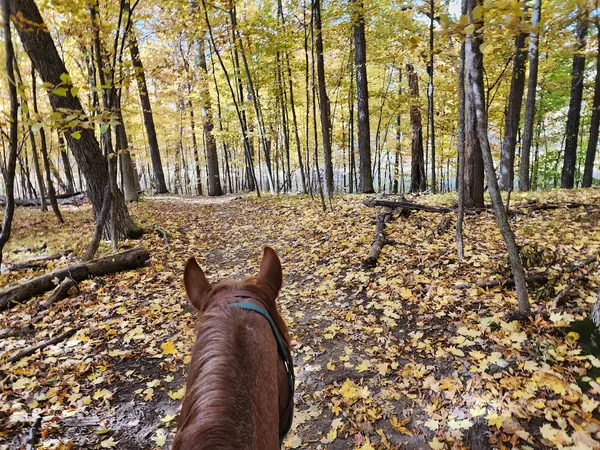
May through October. Peak fall color late September.
- May–June and September–October: the firmest footing and most comfortable temps
- Spring thaw leaves trails muddy, so wait for the ground to firm before heading out
- Winter is indoor season: lessons, dressage, and therapeutic programs peak
21 on the map
Tap a pin to open its profile.
Quick facts
- Bridle trails mapped
- 29
- Stables listed
- 21
- Best season
- May through October
All listings
21 stables
across Michigan
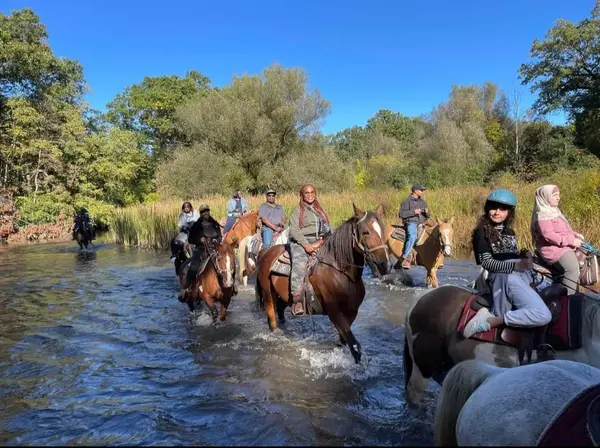
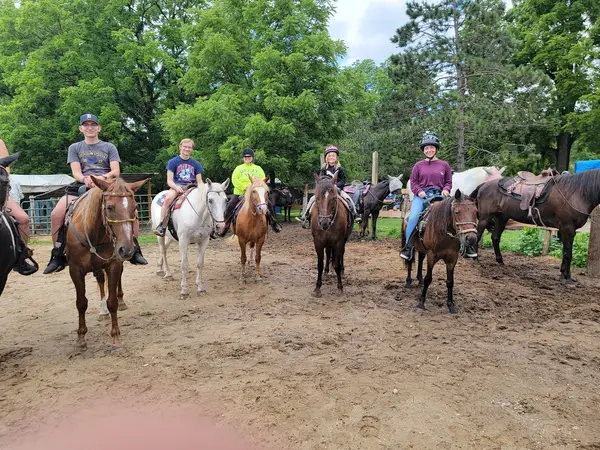
Plan your trip
Plan your trip to Michigan
Equine Activity Liability Act
Michigan's Equine Activity Liability Act (P.A. 351 of 1994, MCL 691.1661 et seq.) provides immunity from liability for equine professionals and activity sponsors under certain conditions. Most equestrian operations will display a warning sign informing participants of the inherent risks associated with equine activities.
Riding Season and Weather
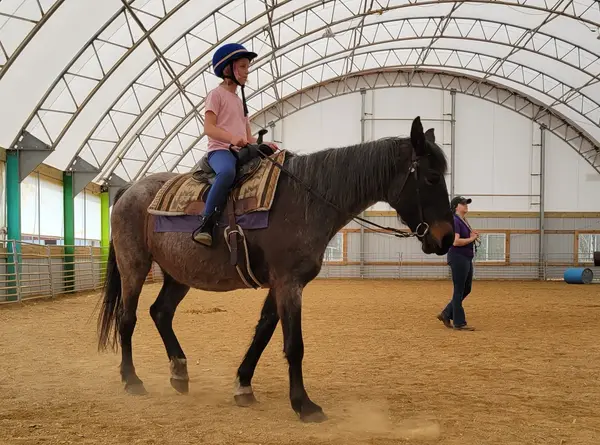
The prime outdoor riding season typically runs from May through October, offering the most favorable weather and trail conditions. Indoor arenas and covered facilities provide year-round opportunities for lessons and training, especially during Michigan's colder winter months.
Public Land Access
Horseback riding is permitted on designated trails within many Michigan State Parks, State Forests, and the Huron-Manistee National Forests. A Michigan Recreation Passport is often required for vehicle entry into state parks and recreation areas, and specific trail permits may also apply. Always verify trail status and permit requirements with the managing agency.
Disciplines and Offerings
Western riding is prevalent in trail riding operations and guest ranches across the state. English disciplines, including hunter/jumper, dressage, and eventing, are widely taught at riding academies and training barns, particularly in the more populated southern regions. Guided trail rides, lessons, and multi-day camps are readily available.
Boarding and Training Norms
For horse owners seeking boarding or training, a current negative Coggins test (for Equine Infectious Anemia) is universally required for any horse entering a facility. While not always legally mandated for adults, helmet use is strongly recommended for all riders and often required for minors at professional stables and academies.
Confirm current requirements with the state agency before your trip. Rules and fees change every season.
Coggins Test Requirement
All equids entering Michigan or participating in equestrian events, including boarding or training at a facility, must have a current negative Coggins test for Equine Infectious Anemia (EIA). This is a critical health requirement to prevent disease transmission.
Michigan Department of Agriculture & Rural DevelopmentRecreation Passport and Trail Permits
A Michigan Recreation Passport is required for vehicle entry to state parks and recreation areas where many equestrian trails are located. Additionally, some state forest trails or specific equestrian facilities within public lands may require a separate trail permit. Verify specific requirements with the Michigan Department of Natural Resources (DNR).
Michigan DNRCommercial Operation Licensing
Equestrian operations such as guest ranches, stables offering guided rides, or riding academies may be subject to various state and local business licensing, zoning, and safety regulations. Visitors should ensure operators are properly licensed and insured, though specific statewide equestrian-only licenses are not always uniform and can vary by county or municipality.
- 01
1. Determine Your Equestrian Interest
A guided trail ride, weekly lessons, a guest-ranch stay, or boarding and training for your own horse, pick the goal first. Each one points at a different kind of operation.
- 02
2. Research Specific Regions and Facilities
Match the region to the goal: wilderness trails in the U.P., structured lesson programs in southern Michigan. Then dig into the specific barns and outfitters working that area.
- 03
3. Verify Health Requirements and Permits
Hauling your own horse? Make sure the Coggins test is current. Riding public land? Check whether you need a Michigan Recreation Passport or a separate trail permit.
- 04
4. Book in Advance
Summer and fall fill fast. Guest ranches, the popular trail rides, and scarce boarding stalls all go early. Reserve well ahead of your dates.
- 05
5. Prepare for Weather and Trail Conditions
Michigan weather turns on short notice. Pack layers, and call your outfitter or stable about current trail conditions before you drive up.
01Is a Coggins test required for horses in Michigan?
02Are helmets mandatory for riders at Michigan stables?
03Can I ride my own horse on public trails in Michigan?
04What types of riding disciplines are most popular in Michigan?
05What is the best time of year for trail riding in Michigan?
06Are there opportunities for multi-day pack trips in Michigan?
Watch & learn
Watch & learn, Michigan
How 500 horses get to Mackinac Island in Michigan each year
Detroit Free Press
0Michigan Horse Expo! Let’s Shop & Look At Horses!
Free Spirit Equestrian
0Taking My Husband On A Spectacular Ride! Michigan Shore-to-Shore Trail Plus Alligator Hill
Free Spirit Equestrian
0
Free tools
Your free outdoor toolkit

Everything Map
Listings, trails, spots, clubs and public land on a single full-screen map. Switch layers on and off, then tap any point for the details.
Open Everything MapTrail Explorer
Browse a community map of named trails with distance, difficulty, and where each one starts.
Open Trail ExplorerRoute Planner
Drop stops on a map and watch distance and drive time add up. Export a GPX or share the link.
Open Route PlannerRiding Clubs
Browse local clubs with meeting info and how to join, or start your own for free.
Open Riding ClubsPhoto ID
Point your camera at whatever you found and get a structured identification. No signup.
Open Photo IDGear Checklists
Printable, save-as-you-go packing lists. Tick items off and pull them up on your phone.
Open Gear Checklists

Keep exploring