Stables & Ranches · Louisiana
Stables & Ranches in Louisiana
Ride 16 stables across Louisiana. Maps, hours, contact info, photos, and verified operator profiles, all in one place.
Bayous, the Atchafalaya, and the largest river delta in North America.
About Louisiana
Best time to go
When to ride in Louisiana
October through May. Summer is brutal.
- March–April and October–November: the region’s best stretches
- Mild winters keep trails open when the North is frozen
- Summer means fly masks, fly spray, and dawn rides ahead of the afternoon storms
16 on the map
Tap a pin to open its profile.
Quick facts
- Bridle trails mapped
- 1
- Stables listed
- 16
- Best season
- October through May
Bridle Trails
Bridle trails across Louisiana
Tap a trail to trace its route on the map, then open it for the full profile.
All listings
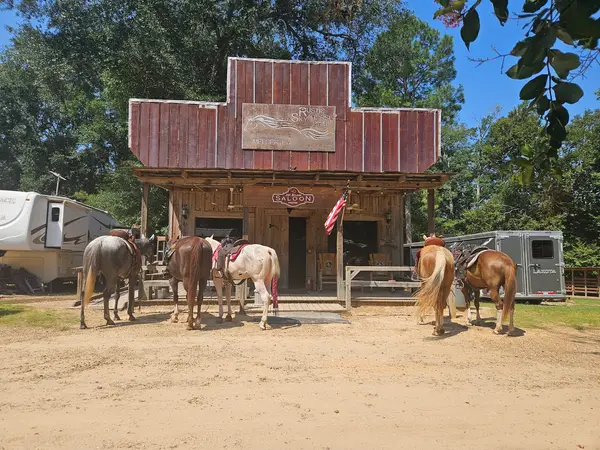
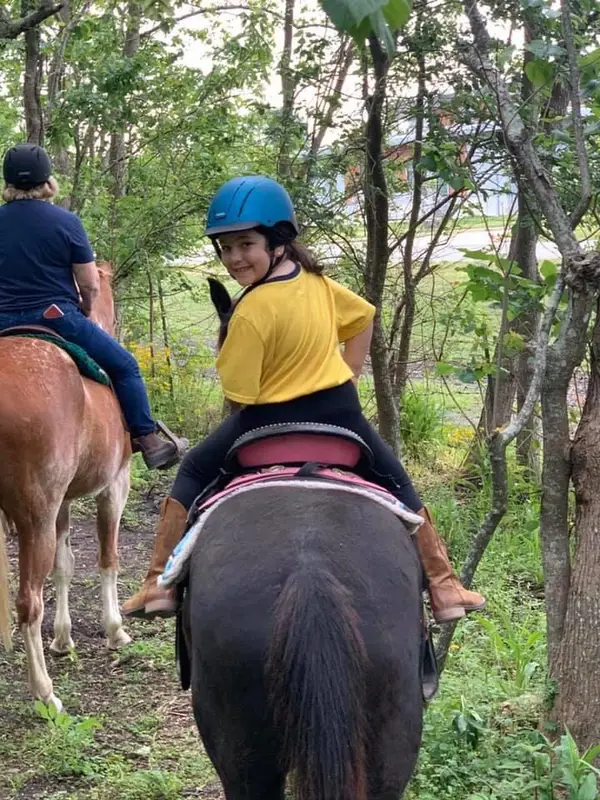
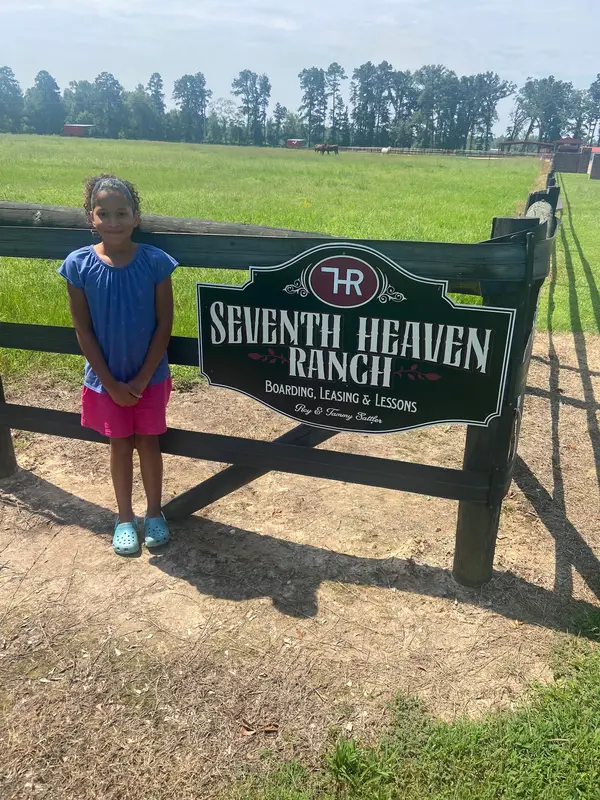
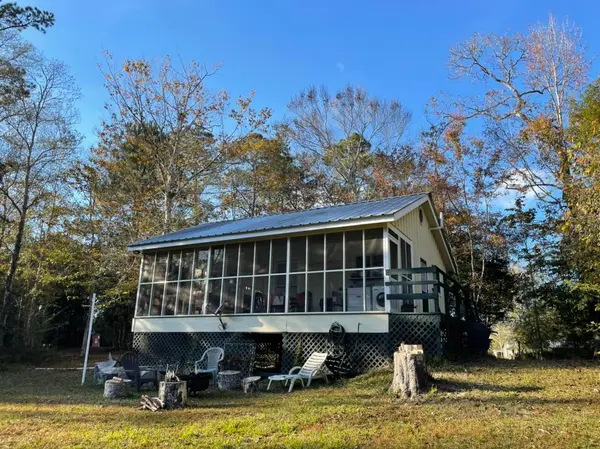
16 stables
across Louisiana
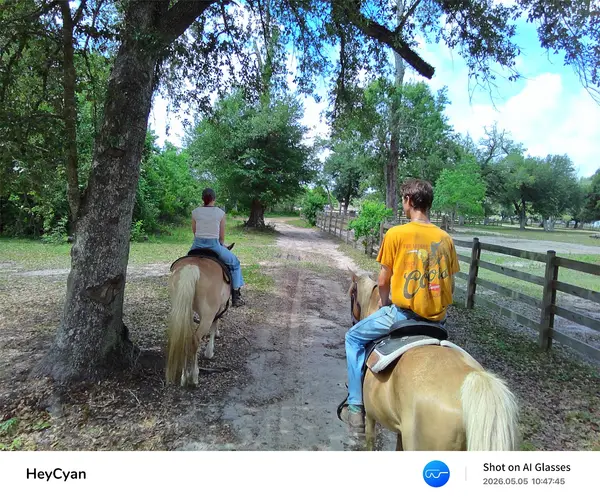
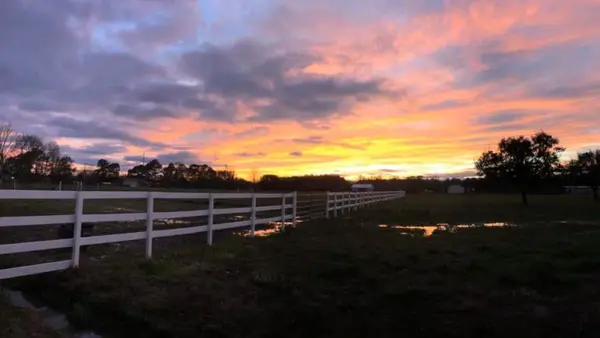
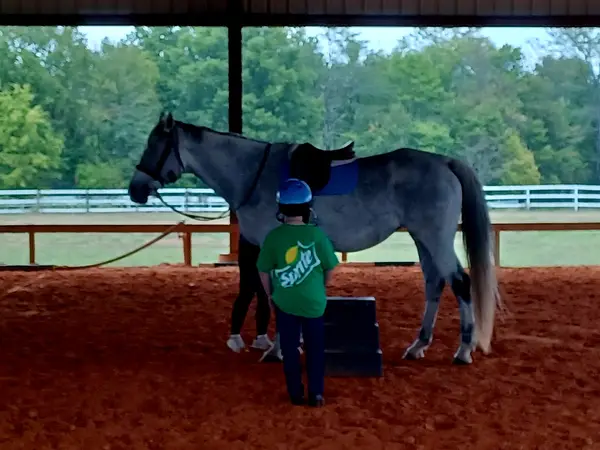
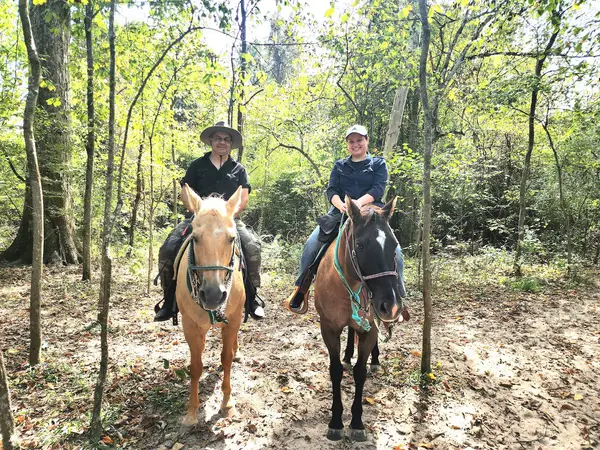
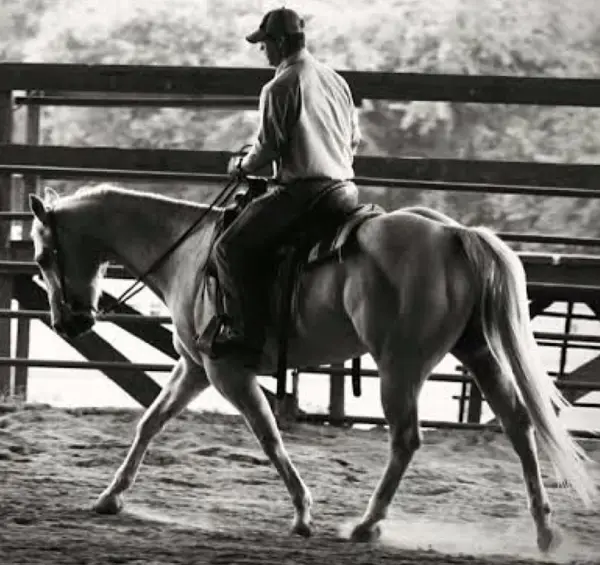
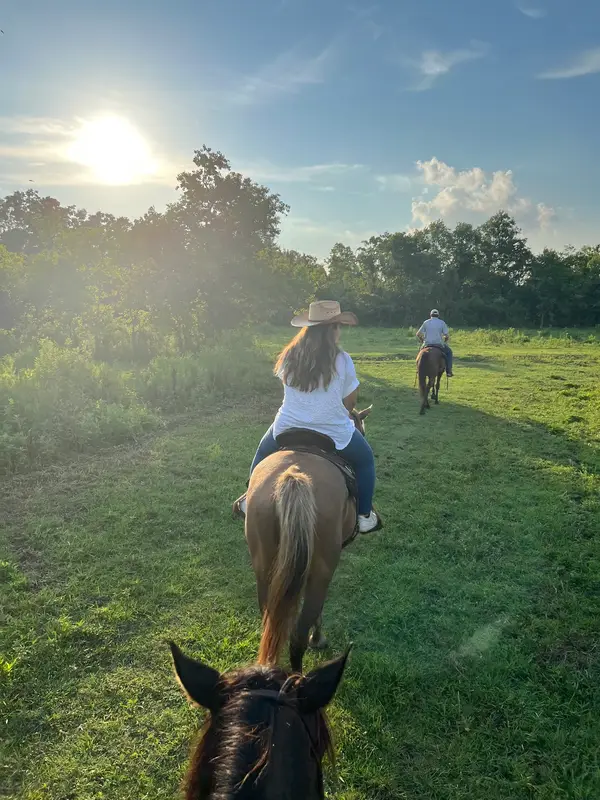
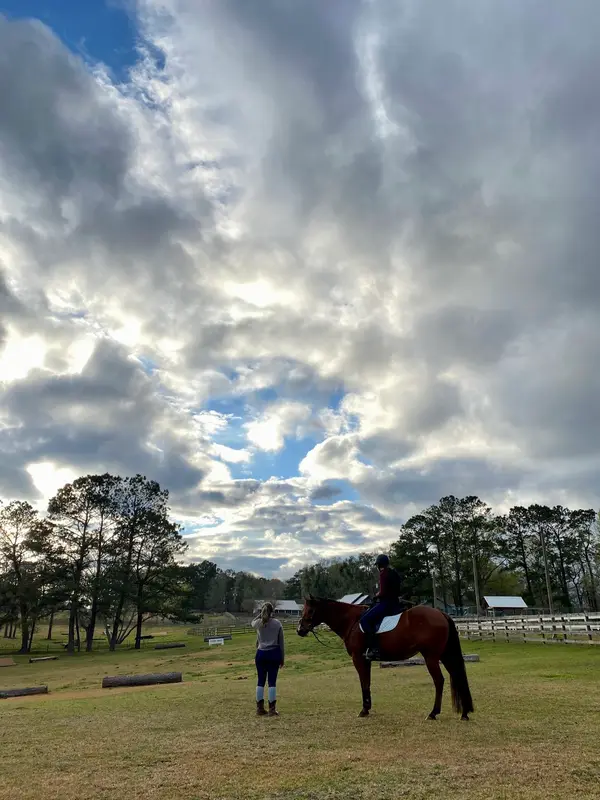
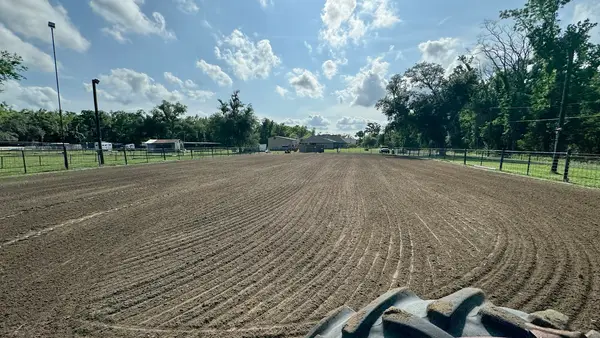
Plan your trip
Plan your trip to Louisiana
Equine Activity Liability Statute
Louisiana Revised Statutes Title 9, Section 2795.1 outlines limitations of liability for persons involved in equine activities. This law recognizes the inherent risks of equine activities and typically requires operators to post warning signs regarding these risks to be afforded protection under the statute. Always verify specific requirements with the operator.
Riding Season and Weather Windows
The prime riding season in Louisiana spans from fall through spring, offering comfortable temperatures. Summer months are often hot and humid, necessitating early morning or late evening rides, or utilizing indoor, air-conditioned facilities. Be prepared for occasional heavy rainfall and adjust plans accordingly.
Horseback Access on Public Trails
Public lands, notably Kisatchie National Forest, offer extensive designated trails for horseback riding. State parks and wildlife management areas may also permit horses in specific areas; always check with the managing agency for current regulations, required permits, and trail conditions before planning a ride.
English vs. Western Disciplines
Both English and Western disciplines are practiced across Louisiana. Western riding, including barrel racing, reining, and pleasure, is very popular, especially in the western and central parishes. English disciplines like dressage, show jumping, and eventing have strong communities, particularly around larger metropolitan areas and university equestrian programs.
Lessons, Camps, and Guided Trail Rides
A wide variety of options are available, from beginner riding lessons at local academies to specialized camps for youth and adults. Guided trail rides are common at guest ranches and stables offering public access, providing opportunities for riders of all experience levels to explore Louisiana's unique landscapes.
Boarding and Training Norms
For horse owners seeking boarding or training, a current Coggins test (EIA negative) is universally required for any horse entering a new stable in Louisiana. While not universally mandated by state law for all riders, helmets are strongly recommended, and often required for minors and during lessons at reputable facilities.
Confirm current requirements with the state agency before your trip. Rules and fees change every season.
Coggins Test (EIA Test)
All horses entering Louisiana or participating in equestrian events, or boarding at a facility, must have a current negative Coggins test (Equine Infectious Anemia test). This test must be performed by an accredited veterinarian and be less than 12 months old.
Certificate of Veterinary Inspection
Horses traveling into Louisiana from another state must be accompanied by a Certificate of Veterinary Inspection (CVI), also known as a health certificate. This document, issued by an accredited veterinarian, certifies the horse's health status and origin. It is typically valid for 30 days.
Kisatchie National Forest Trail Permits
For horseback riding in Kisatchie National Forest, certain trails or areas may require specific permits or user fees. Riders should contact the relevant district office of the U.S. Forest Service within Kisatchie National Forest to confirm current requirements before planning their ride.
Kisatchie National Forest
- 01
1. Define Your Equestrian Goal
A guided trail ride, a lesson program, a guest ranch stay, and boarding or training for your own horse each point to different operations, and different corners of Louisiana. Decide first.
- 02
2. Research Regions and Operators
Match the region to the goal: Kisatchie National Forest for trail miles, Acadiana for Western riding. Then use the directory to shortlist guest ranches, stables, or academies with track records.
- 03
3. Verify Horse Health Requirements
Hauling your own horse in? Louisiana requires a current negative Coggins and a Certificate of Veterinary Inspection for interstate travel and facility entry. Get both squared away before you load.
- 04
4. Plan Your Trip and Book Services
Contact operators directly for availability, pricing, and house rules, and reserve early: spring and fall dates fill first for trail rides, lessons, and boarding alike.
- 05
5. Prepare for Louisiana's Climate
Humidity and sudden rain are part of the deal. Pack for the season, drink more water than you think you need, and never leave the insect repellent behind.
01What is the best time of year for horseback riding in Louisiana?
02Are helmets required for riding in Louisiana?
03What kind of terrain can I expect on Louisiana trails?
04Do I need a Coggins test to bring my horse to Louisiana?
05Can I ride my own horse on public lands in Louisiana?
06What types of equestrian lessons are commonly available?
Free tools
Your free outdoor toolkit

Everything Map
Listings, trails, spots, clubs and public land on a single full-screen map. Switch layers on and off, then tap any point for the details.
Open Everything MapTrail Explorer
Browse a community map of named trails with distance, difficulty, and where each one starts.
Open Trail ExplorerRoute Planner
Drop stops on a map and watch distance and drive time add up. Export a GPX or share the link.
Open Route PlannerRiding Clubs
Browse local clubs with meeting info and how to join, or start your own for free.
Open Riding ClubsPhoto ID
Point your camera at whatever you found and get a structured identification. No signup.
Open Photo IDGear Checklists
Printable, save-as-you-go packing lists. Tick items off and pull them up on your phone.
Open Gear Checklists

Keep exploring