Stables & Ranches · Texas
Stables & Ranches in Texas
Ride 23 stables across Texas. Maps, hours, contact info, photos, and verified operator profiles, all in one place.
Hill Country, Big Bend desert, Gulf coast, and the Piney Woods.
About Texas
Best time to go
When to ride in Texas
October through May for the south/desert; year-round for the Hill Country.
- November–March: the desert’s best riding, when the rest of the country is frozen
- Summer rides happen at sunrise, heat and dehydration are real risks for horses
- Spring brings wildflowers and warm, dry footing across the high desert
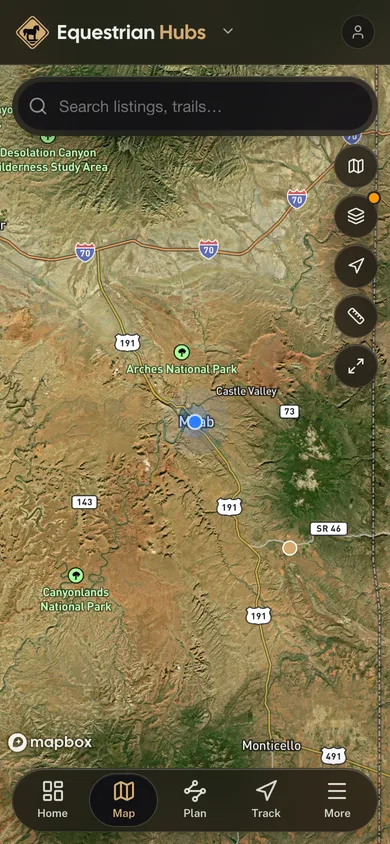
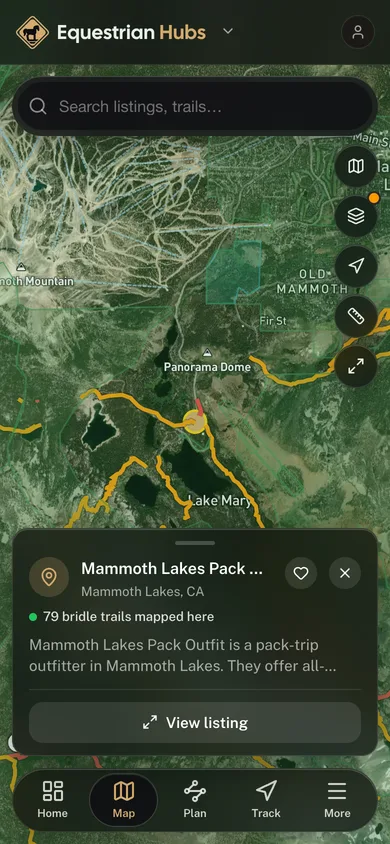
23 on the map
Tap a pin to open its profile.
Quick facts
- Bridle trails mapped
- 99
- Stables listed
- 23
- Best season
- October through May
All listings
23 stables
across Texas


Plan your trip
Plan your trip to Texas
Texas Equine Activity Liability Act
Texas has an Equine Activity Liability Act (Chapter 87 of the Civil Practice and Remedies Code) that protects operators from liability for inherent risks of equine activities, provided specific warning signs are posted. Participants in equestrian activities are deemed to assume these inherent risks.
Riding Season and Weather Windows
The most comfortable riding seasons are spring and fall. Summers are very hot, necessitating early morning or late evening rides. Winters are generally mild, but prepare for occasional cold snaps, especially in northern Texas. Always check local forecasts.
Public Land Access for Horseback Riding
Horseback riding is permitted on designated trails in many Texas State Parks and National Forests, such as Sam Houston, Davy Crockett, and Angelina National Forests. Always verify specific park or forest regulations and trail conditions before planning your ride.
English vs. Western Disciplines
Western riding traditions are deeply ingrained across Texas, particularly in rural and ranching areas. However, English disciplines like hunter/jumper and dressage are highly popular and well-represented in metropolitan areas, with numerous show barns and academies catering to these styles.
Lesson, Camp, and Guided Trail Ride Availability
Riding lessons, equestrian camps, and guided trail rides are widely available throughout Texas. Due to popularity, especially at guest ranches and during peak seasons, booking your desired activities well in advance is strongly recommended to secure your spot.
Boarding and Training Norms (Coggins Test, Helmets)
A current (within 12 months) negative Coggins test for Equine Infectious Anemia is universally required for any horse entering a Texas facility or participating in events. While no statewide helmet law exists, helmets are strongly recommended for all riders and often mandatory for minors at riding academies and competitive events.
Confirm current requirements with the state agency before your trip. Rules and fees change every season.
Texas Equine Activity Liability Act
Operators of equestrian facilities and activities in Texas are generally protected by the Equine Activity Liability Act, Chapter 87 of the Civil Practice and Remedies Code. This law requires them to post specific warning signs informing participants that they assume the inherent risks of equine activities. Riders should be aware of these protections for operators.
Texas StatutesEquine Infectious Anemia (EIA) Test
All horses traveling into Texas or participating in events, boarding, or training within the state must have a current (within 12 months) negative Coggins test for Equine Infectious Anemia. This health certificate is vital for preventing disease transmission and is strictly enforced by the Texas Animal Health Commission.
Public Land Use Permits
Equestrian operations conducting guided trail rides or pack trips on Texas State Parks, National Forests, or other public lands typically require special use permits from the managing agency. Visitors planning self-guided rides on these lands should also verify access requirements and permit needs with the specific park or forest office.
Texas Parks & Wildlife
- 01
1. Define Your Equestrian Goal
Guest ranch vacation, guided trail ride, lessons, a pack trip, or a boarding stall for your own horse, pick the target first. It cuts the map of Texas operations down to something searchable.
- 02
2. Choose a Region and Season
Texas is big enough that region matters as much as operator, Hill Country limestone versus Piney Woods shade are different trips entirely. Then pick the season; spring and fall ride best statewide.
- 03
3. Research and Contact Operators
Work the directories to shortlist guest ranches, stables, or outfitters, then call. Ask about services, availability, pricing, and any requirements for riders or visiting horses.
- 04
4. Confirm Health and Safety Requirements
Bringing your own horse means a current negative Coggins test, no exceptions. For yourself, know the facility's helmet policy and read the liability waiver before you sign it.
- 05
5. Book in Advance
Guest ranches, summer camps, and weekend trail rides fill up fast in peak season. Reserve early if you care about your dates.
01What is the best time of year for horseback riding in Texas?
02Are helmets required for all riders in Texas?
03Do I need to bring my own horse for trail rides or lessons?
04What is the Coggins test, and why is it important in Texas?
05Are there many English riding opportunities in Texas, or is it mostly Western?
06Can I ride my own horse on public trails in Texas?
Free tools
Your free outdoor toolkit

Everything Map
Listings, trails, spots, clubs and public land on a single full-screen map. Switch layers on and off, then tap any point for the details.
Open Everything MapTrail Explorer
Browse a community map of named trails with distance, difficulty, and where each one starts.
Open Trail ExplorerRoute Planner
Drop stops on a map and watch distance and drive time add up. Export a GPX or share the link.
Open Route PlannerRiding Clubs
Browse local clubs with meeting info and how to join, or start your own for free.
Open Riding ClubsPhoto ID
Point your camera at whatever you found and get a structured identification. No signup.
Open Photo IDGear Checklists
Printable, save-as-you-go packing lists. Tick items off and pull them up on your phone.
Open Gear Checklists

Keep exploring