Stables & Ranches · Hawaii
Stables & Ranches in Hawaii
Ride 19 stables across Hawaii. Maps, hours, contact info, photos, and verified operator profiles, all in one place.
Volcanic peaks rising 13,000 feet from a tropical Pacific.
About Hawaii
Best time to go
When to ride in Hawaii
Year-round. Winter brings the biggest North Pacific surf.
- March–May and September–October: firm footing, mild air, green country
- Coastal trails stay rideable most of the year thanks to mild temperatures
- Winter rain can close dirt trails for days, and covered arenas bridge the gap
19 on the map
Tap a pin to open its profile.
Quick facts
- Stables listed
- 19
- Best season
- Year-round
All listings
19 stables
across Hawaii

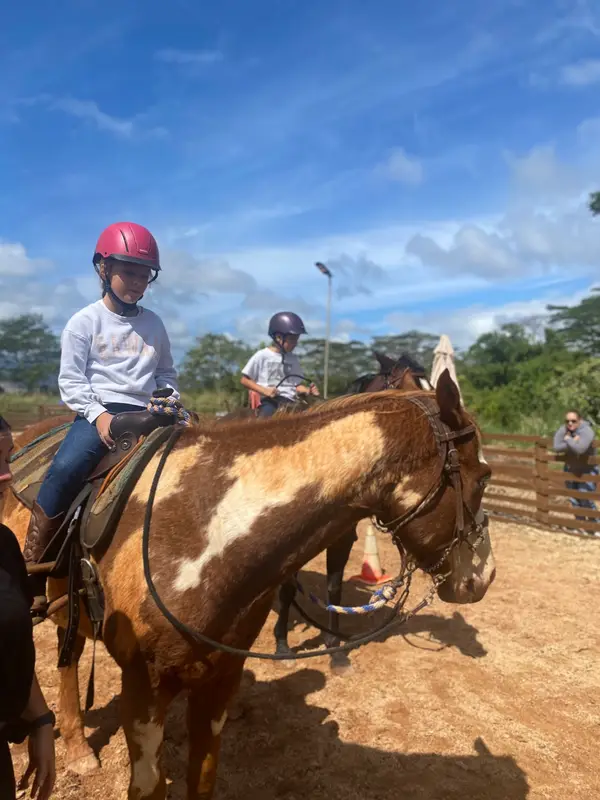
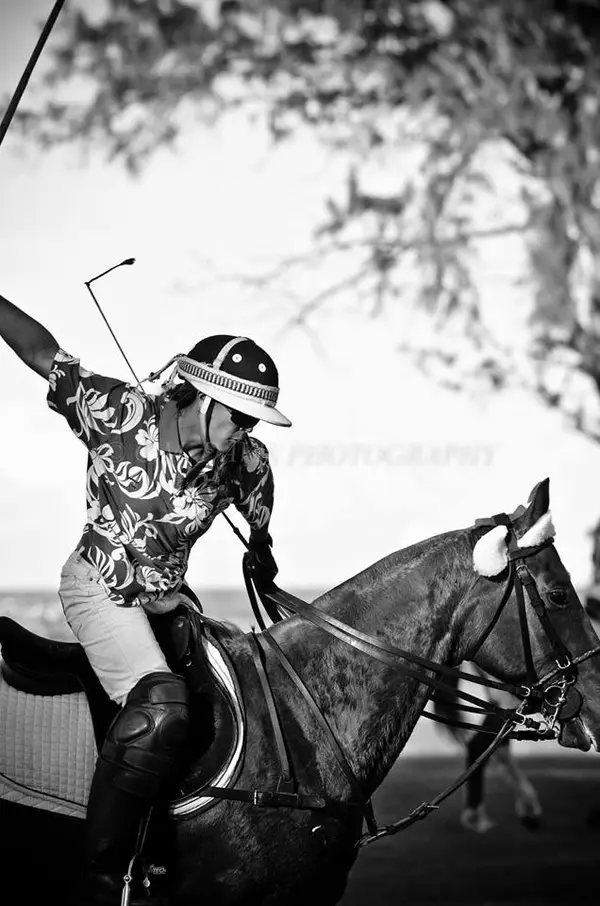
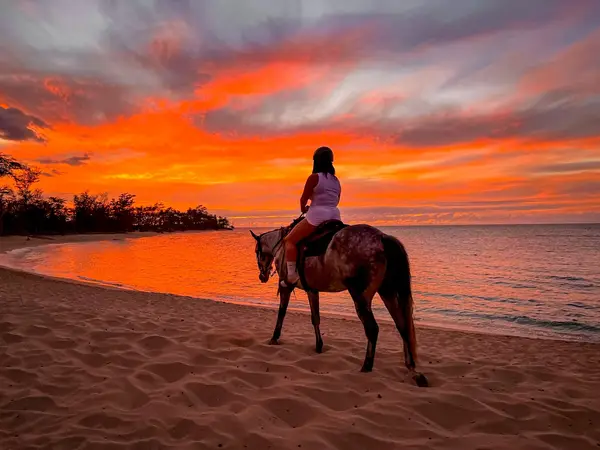
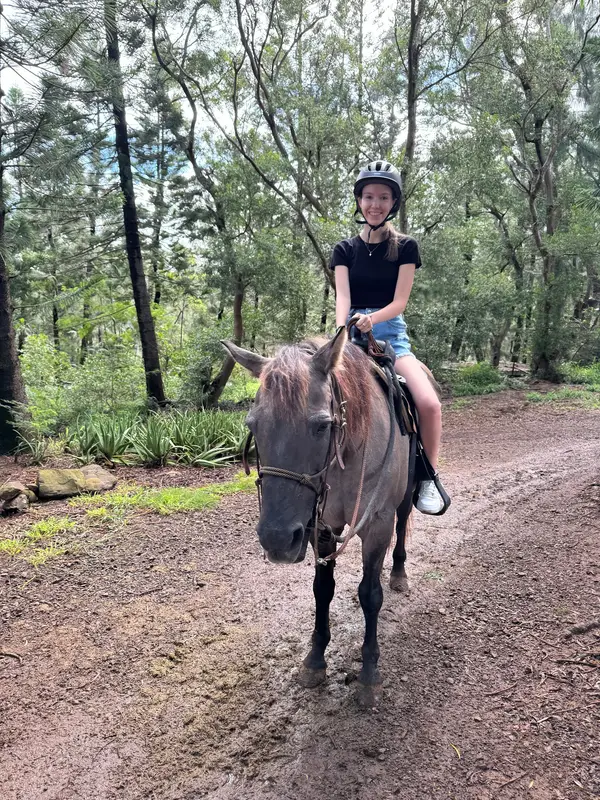
Plan your trip
Plan your trip to Hawaii
Equine Activity Liability Statute
Hawaii Revised Statutes Chapter 663, Section 663-1.54, known as the 'Equine Activities Act,' limits the liability of equine activity sponsors and professionals for inherent risks of equine activities. Operators typically require participants to sign waivers and post warning signs as mandated by this statute.
Riding Season and Weather
Equestrian activities in Hawaii are available year-round. While the islands boast consistent warmth, weather varies significantly by elevation and windward/leeward exposure. Leeward coasts are generally drier and sunnier, while windward areas receive more rain. High elevations can be cool, especially in winter. Operators adjust schedules based on local conditions.
Horseback Access on Public Lands
Public land access for horseback riding is limited in Hawaii compared to the mainland. Most trail riding occurs on private ranchlands, through state parks (with specific permits), or on designated state forest reserve trails. It is essential to confirm access and any required permits with local outfitters or the Department of Land and Natural Resources.
Disciplines and Availability
Western riding, deeply rooted in Hawaii's paniolo heritage, is prevalent across the islands, especially in ranching areas like the Big Island. English riding disciplines are also well-represented, particularly in riding academies on Oahu and Maui. Guided trail rides are widely available, catering to all experience levels. Lessons and summer camps are common at many stables.
Boarding and Training Norms
For horse owners seeking boarding or training, a negative Coggins test (EIA) is universally required for any horse imported into Hawaii and typically for inter-island transport or boarding. While not legally mandated for all riders, helmets are highly recommended and often required for lessons, youth riders, and certain competitive events by individual stables or organizations.
Confirm current requirements with the state agency before your trip. Rules and fees change every season.
Animal Import Requirements
All horses entering Hawaii from the mainland or foreign countries must comply with strict import regulations enforced by the Hawaii Department of Agriculture. This includes obtaining import permits, health certificates, and undergoing specific tests and quarantines. Failure to adhere can result in denial of entry. Verify current requirements well in advance of travel.
Business Licensing for Operators
Equestrian operations, including guest ranches, stables, and outfitters, must obtain appropriate state and county business licenses. These licenses ensure compliance with local zoning, health, and safety regulations. Specific requirements vary by county and the nature of the equestrian service provided.
Equine Health Certificates
In addition to import requirements, horses moving between islands or participating in public events often require a current Certificate of Veterinary Inspection (CVI) and a negative Coggins test. These measures help prevent the spread of equine diseases within the isolated island ecosystem. Always confirm requirements with event organizers or the HDOA.
Equine Activity Liability Signage
Under Hawaii's Equine Activities Act (HRS 663-1.54), equine activity sponsors and professionals are generally required to post warning signs at their facilities. These signs inform participants of the inherent risks associated with equine activities and the limitations of liability for operators. Operators must ensure their signage meets statutory specifications.
- 01
1. Research Equestrian Operations
Decide what you're after (a guest ranch stay, a trail ride, lessons, boarding), and dig into the operations on your island of choice. Each outfit has a specialty, and matching it to what you want matters more here than on the mainland, where the next barn is a short drive away.
- 02
2. Verify Health and Import Requirements (if bringing a horse)
Shipping a horse to Hawaii means clearing the Hawaii Department of Agriculture's import protocols: permits, health certificates, quarantine. Contact them at the very start of your planning, not the end. The process takes real time.
- 03
3. Book in Advance
Guided rides and guest ranch stays fill fast, especially in the peak tourist months. Reserve well ahead if you care about your dates.
- 04
4. Understand Local Riding Conditions
Weather here changes by elevation and by which side of the mountain you're on. Expect sudden showers and humidity, and ask your outfitter what to wear, they answer that question every day.
- 05
5. Review Safety Protocols and Waivers
Every reputable operation will hand you a liability waiver. Read it, ask about their safety rules, and expect a helmet requirement for lessons and young riders.
01Can I bring my own horse to Hawaii?
02Are helmets required for horseback riding in Hawaii?
03What types of terrain can I expect to ride on in Hawaii?
04Are there opportunities for English riding or just Western?
05Do I need prior riding experience to go on a trail ride?
06Are multi-day pack trips available in Hawaii?
Free tools
Your free outdoor toolkit

Everything Map
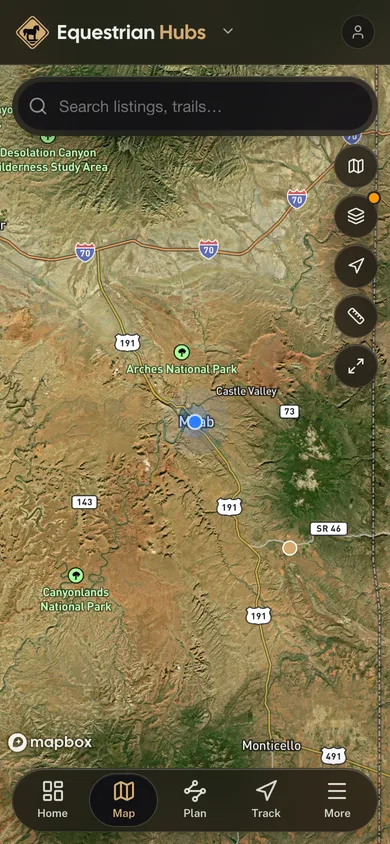
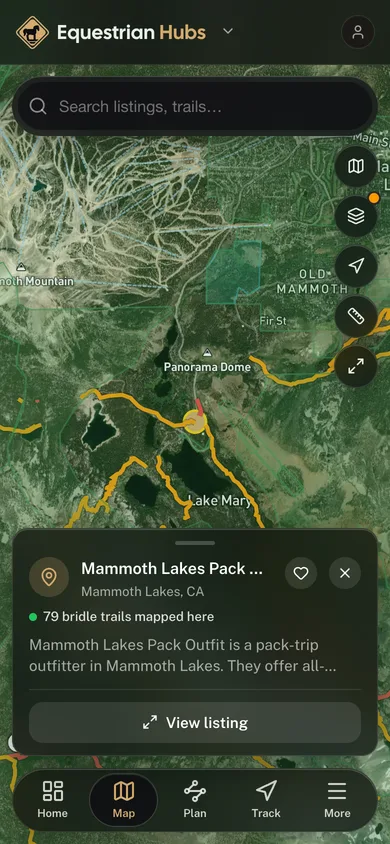
Listings, trails, spots, clubs and public land on a single full-screen map. Switch layers on and off, then tap any point for the details.
Open Everything MapTrail Explorer
Browse a community map of named trails with distance, difficulty, and where each one starts.
Open Trail ExplorerRoute Planner
Drop stops on a map and watch distance and drive time add up. Export a GPX or share the link.
Open Route PlannerRiding Clubs
Browse local clubs with meeting info and how to join, or start your own for free.
Open Riding ClubsPhoto ID
Point your camera at whatever you found and get a structured identification. No signup.
Open Photo IDGear Checklists
Printable, save-as-you-go packing lists. Tick items off and pull them up on your phone.
Open Gear Checklists