Stables & Ranches · Massachusetts
Stables & Ranches in Massachusetts
Ride 16 stables across Massachusetts. Maps, hours, contact info, photos, and verified operator profiles, all in one place.
Cape Cod, the Berkshires, and the Quabbin.
About Massachusetts
Best time to go
When to ride in Massachusetts
May through October.
- May–June and September–October: the firmest footing and most comfortable temps
- Spring thaw leaves trails muddy, so wait for the ground to firm before heading out
- Winter is indoor season: lessons, dressage, and therapeutic programs peak
16 on the map
Tap a pin to open its profile.
Quick facts
- Stables listed
- 16
- Best season
- May through October
All listings
16 stables
across Massachusetts
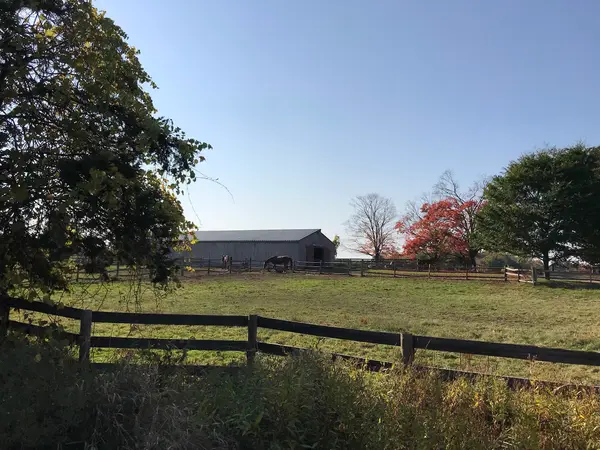

Plan your trip
Plan your trip to Massachusetts
Equine Activity Liability Act
Massachusetts has an Equine Activity Liability Act (M.G.L. Chapter 128, Section 2D) which limits the liability of equine professionals and sponsors for inherent risks of equine activities. Operators are typically required to post warning signs in prominent locations.
Riding Seasons and Weather
The primary riding season runs from late spring through late fall. Summer can be hot and humid, while winters bring snow and ice, limiting trail access. Always check with operators regarding weather-dependent cancellations or seasonal closures.
Public Trail Access
Many Massachusetts State Parks and Forests, managed by the Department of Conservation and Recreation (DCR), offer designated equestrian trails. Some locations may require a DCR Horseback Riding Pass or a parking fee for horse trailers. Always verify access rules for specific locations.
Disciplines and Availability
Both English and Western riding disciplines are popular throughout Massachusetts, with English riding often more prevalent in Eastern Massachusetts and Western riding more common in rural areas. Lesson programs, summer camps, and guided trail rides are widely available across the state. Boarding and training barns also cater to various disciplines.
Horse Health and Safety
For horses entering Massachusetts or participating in events, a current Coggins test (EIA negative result) is typically required. Massachusetts has no statewide equine helmet law (bills to require them (a proposed Chapter 128, Section 2D½) have been filed repeatedly but never enacted), so in practice most reputable stables and programs require helmets for all riders, regardless of age, for safety.
Confirm current requirements with the state agency before your trip. Rules and fees change every season.
Equine Activity Liability Signage
Equine activity sponsors and professionals in Massachusetts are required to conspicuously post warning signs regarding the inherent risks of equine activities, as stipulated by M.G.L. Chapter 128, Section 2D. This informs participants of the limited liability protection for operators.
Massachusetts General LawsCoggins Test Requirement
Any horse entering Massachusetts, participating in public events, or boarding at a facility is generally required to have a current (within 12 months) negative Coggins test for Equine Infectious Anemia (EIA). Always carry proof of testing when traveling with your horse.
MA Department of Agricultural ResourcesHelmet Use for Minors
Massachusetts has no statewide law mandating equine helmets. Bills to add one (a proposed Chapter 128, Section 2D½) have been filed repeatedly but never enacted, and Section 2B actually governs riding-school and stable licensing, not helmets. In practice, most stables require helmets by policy, especially for minors and during lessons.
Massachusetts General LawsCommercial Stable Licensing
Commercial stables, riding schools, and boarding facilities may be subject to local licensing requirements and inspections related to animal welfare, zoning, and safety. Operators should verify specific regulations with their municipal authorities.
- 01
Define Your Equestrian Goal
A guided trail ride, weekly lessons, a multi-day guest ranch stay, and boarding for your own horse are different searches. Settle which one you're on before comparing operations.
- 02
Research Regions and Operators
Match the region to the riding, Berkshire trails versus eastern show barns, then use Equestrian Hubs to shortlist stables, ranches, or academies that fit your discipline and your drive time.
- 03
Verify Requirements and Availability
Call ahead. Confirm availability and pricing, ask about Coggins requirements if you're bringing a horse, get the helmet policy, and check any age or weight limits for trail rides or lessons.
- 04
Prepare for Your Visit
Long pants and closed-toe shoes with a heel are the baseline. If your horse is traveling with you, keep the health paperwork, Coggins included, current and within reach, and confirm arrival procedures.
- 05
Prioritize Safety and Enjoyment
Follow your guide or instructor, and be straight about how much riding you've actually done, the honest answer is what gets you matched to the right horse.
01Are helmets required for all riders in Massachusetts?
02What is the best time of year for trail riding in Massachusetts?
03Do I need a Coggins test if I bring my own horse to Massachusetts?
04Can beginners participate in trail rides or lessons?
05What types of equestrian disciplines are popular in Massachusetts?
06Are there age or weight limits for trail rides?
Free tools
Your free outdoor toolkit

Everything Map
Listings, trails, spots, clubs and public land on a single full-screen map. Switch layers on and off, then tap any point for the details.
Open Everything MapTrail Explorer
Browse a community map of named trails with distance, difficulty, and where each one starts.
Open Trail ExplorerRoute Planner
Drop stops on a map and watch distance and drive time add up. Export a GPX or share the link.
Open Route PlannerRiding Clubs
Browse local clubs with meeting info and how to join, or start your own for free.
Open Riding ClubsPhoto ID
Point your camera at whatever you found and get a structured identification. No signup.
Open Photo IDGear Checklists
Printable, save-as-you-go packing lists. Tick items off and pull them up on your phone.
Open Gear Checklists

Keep exploring