Stables & Ranches · Vermont
Stables & Ranches in Vermont
Ride 13 stables across Vermont. Maps, hours, contact info, photos, and verified operator profiles, all in one place.
Green Mountains, the Northeast Kingdom, and Lake Champlain.
About Vermont
Best time to go
When to ride in Vermont
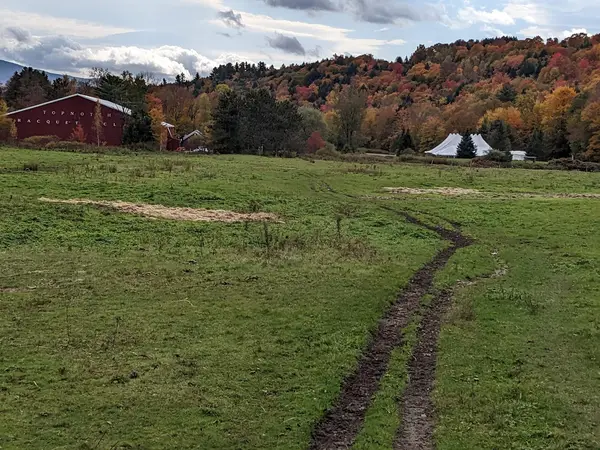
May through October. Peak fall color late September.
- May–June and September–October: the firmest footing and most comfortable temps
- Spring thaw leaves trails muddy, so wait for the ground to firm before heading out
- Winter is indoor season: lessons, dressage, and therapeutic programs peak
13 on the map
Tap a pin to open its profile.
Quick facts
- Bridle trails mapped
- 24
- Stables listed
- 13
- Best season
- May through October
All listings
13 stables
across Vermont
Plan your trip
Plan your trip to Vermont
Equine Activity Liability Law
Vermont has an equine activity liability statute (12 V.S.A. § 1039) which states that an equine activity sponsor or professional is not liable for injury to a participant that results from the inherent risks of equine activities. Always look for and heed posted warning signs.
Riding Season and Weather
The primary outdoor riding season extends from late May through October. Summer offers warm, humid days, while fall brings crisp air and vibrant foliage. Be prepared for variable weather conditions, including sudden changes in temperature and precipitation, regardless of the season.
Public Trail Access
Horseback riding is permitted on many public lands, including designated trails within the Green Mountain National Forest and some state parks, often requiring adherence to specific rules. Always verify trail accessibility and any permit requirements with the managing agency or local outfitter before riding.
Disciplines and Availability
Both English and Western riding disciplines are popular in Vermont, with English riding, particularly eventing and dressage, having a strong presence in some areas. Guided trail rides, riding lessons, and summer camps are widely available across the state, catering to all skill levels from beginner to advanced.
Boarding and Health Requirements
For horse owners bringing their own equines, a current negative Coggins test (EIA test) is generally required for entry into Vermont and for most boarding facilities. Vermont has no statewide helmet law for horseback riders, but most facilities mandate helmet use for minors on their property and encourage it for all riders.
Confirm current requirements with the state agency before your trip. Rules and fees change every season.
Equine Health Certificate & Coggins Test
All equids entering Vermont must be accompanied by a Certificate of Veterinary Inspection (CVI) issued within 30 days of entry, and a negative Coggins test (Equine Infectious Anemia, EIA) conducted within 12 months for animals over six months of age. Verify specific requirements with the Vermont Agency of Agriculture, Food & Markets.
Helmet Recommendations
Vermont does not have a statewide law requiring horseback riders to wear helmets at any age. Helmets are strongly encouraged for safety, and many stables and riding facilities require them for minors, and often all riders, on their property.
Trail Access and Private Land Rules
Riders must adhere to posted regulations on public trails and always obtain permission before riding on private land. Trespassing is prohibited, and respecting property boundaries and trail designations is crucial for maintaining access. Leave No Trace principles should always be followed.
- 01
Define Your Equestrian Goals
A guided trail ride, a season of lessons, a guest ranch week, or boarding and training for your own horse are four different searches. Decide which one you're running before you start comparing operators.
- 02
Research Regions and Operators
Match the region to the riding: valley farmland, mountain forest, or the remote Kingdom. Then dig into specific stables, ranches, and academies through directories and reviews until a shortlist emerges.
- 03
Verify Health and Safety Requirements
Bringing your own horse means meeting Vermont's health certificate and Coggins requirements before you cross the state line. Riders of any stripe should confirm helmet policies and any age or weight limits with the facility directly.
- 04
Book in Advance
Summer fills fast and foliage season fills faster. Reserve trail rides, lessons, and lodging well ahead, the popular operators are turning people away by the time the leaves turn.
- 05
Prepare for Vermont's Climate
Layers, rain gear, and boots that can handle mud will cover most of what Vermont throws at you. Add sunscreen and bug spray for anything outdoors in summer.
01Are helmets required for horseback riding in Vermont?
02Do I need a Coggins test to bring my horse to Vermont?
03What kind of riding disciplines are most popular in Vermont?
04Can I ride my own horse on public trails in Vermont?
05What is the best time of year for equestrian activities in Vermont?
06Are there options for beginner riders or those without their own horse?
Free tools
Your free outdoor toolkit

Everything Map
Listings, trails, spots, clubs and public land on a single full-screen map. Switch layers on and off, then tap any point for the details.
Open Everything MapTrail Explorer
Browse a community map of named trails with distance, difficulty, and where each one starts.
Open Trail ExplorerRoute Planner
Drop stops on a map and watch distance and drive time add up. Export a GPX or share the link.
Open Route PlannerRiding Clubs
Browse local clubs with meeting info and how to join, or start your own for free.
Open Riding ClubsPhoto ID
Point your camera at whatever you found and get a structured identification. No signup.
Open Photo IDGear Checklists
Printable, save-as-you-go packing lists. Tick items off and pull them up on your phone.
Open Gear Checklists


Keep exploring