Stables & Ranches · New York
Stables & Ranches in New York
Ride 21 stables across New York. Maps, hours, contact info, photos, and verified operator profiles, all in one place.
Adirondacks, Catskills, the Finger Lakes, and the Long Island shore.
About New York
Best time to go
When to ride in New York
May through October. Peak fall color late September to mid-October.
- May–June and September–October: the firmest footing and most comfortable temps
- Spring thaw leaves trails muddy, so wait for the ground to firm before heading out
- Winter is indoor season: lessons, dressage, and therapeutic programs peak
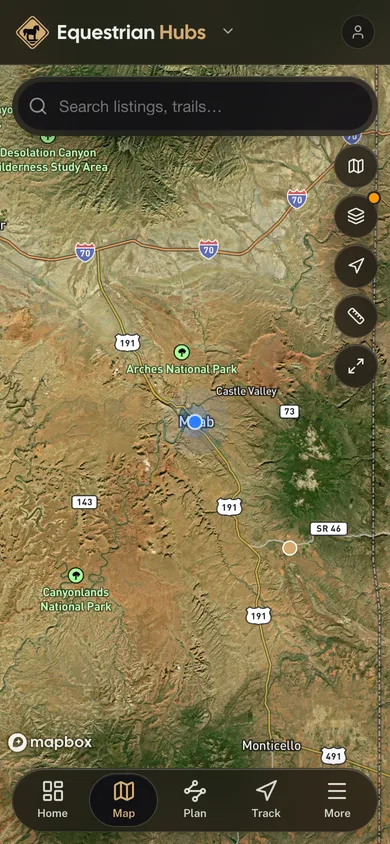
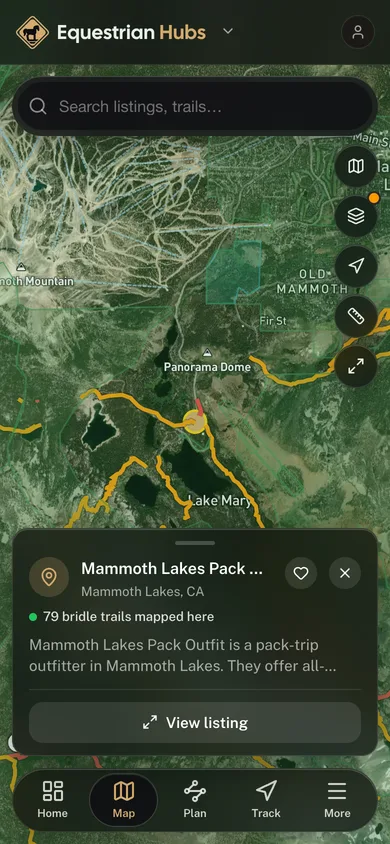
21 on the map
Tap a pin to open its profile.
Quick facts
- Stables listed
- 21
- Best season
- May through October
All listings
21 stables
across New York
Plan your trip
Plan your trip to New York
Equine Activity Liability Statute
New York's General Obligations Law § 18-303 provides limited liability protection for equine activity sponsors and professionals against inherent risks of equine activities, provided specific warning signs are conspicuously posted. Riders engaging in equine activities are deemed to assume these inherent risks.
Riding Seasons and Weather
Prime riding season generally spans from late spring through late fall. Summer offers warm weather and full trail access, while autumn provides stunning foliage. Winter riding often transitions to indoor arenas, though some limited trail access is available with appropriate conditions.
Public Trail Access
Horseback riding is permitted on many designated multi-use trails within New York State Parks and Department of Environmental Conservation (DEC) lands. Riders should always check specific park or forest regulations for permits or restrictions before planning their ride.
Disciplines and Facilities
English riding, especially hunter/jumper and dressage, is prevalent in the Hudson Valley and suburban areas. Western riding, including trail and pleasure, is common statewide, particularly in rural and mountainous regions. Lessons, camps, and guided trail rides are widely available.
Boarding and Training Norms
A current negative Coggins test (within 12 months) is universally required for any horse entering a New York facility or participating in events. Helmets are legally mandatory for riders under 18; many facilities enforce helmet use for all riders.
Confirm current requirements with the state agency before your trip. Rules and fees change every season.
Equine Infectious Anemia (Coggins Test)
Any horse entering New York State or traveling within the state to an event, public gathering, or facility must possess a current negative Coggins test certificate, performed within the last 12 months. This is a crucial health requirement.
Helmet Use Law for Minors
New York Vehicle & Traffic Law § 1265 requires all persons under the age of eighteen to wear an ASTM/SEI-approved (ASTM F1163) equestrian helmet when riding a horse, and General Business Law § 396-dd requires commercial horse providers to furnish a compliant helmet at no charge beyond the rental to any rider under eighteen. Many commercial operations extend this safety policy to all riders.
Equine Activity Liability Warning Signage
While not a direct requirement for visitors, operators in New York are required by General Obligations Law § 18-303 to post warning signs regarding the inherent risks of equine activities to receive statutory liability protection. Visitors should be aware of these signs at equestrian facilities.
- 01
Define Your Equestrian Goals
Guided trail rides, lessons, a guest ranch stay, or boarding and training for your own horse, decide which you're after first, because each leads to a different kind of operation.
- 02
Research Regions and Operators
The Adirondacks, Hudson Valley, and Finger Lakes each ride differently. Match the landscape and discipline to what you want, then look at operators within that region.
- 03
Verify Requirements and Availability
Call ahead. Confirm requirements (a Coggins test if you're bringing your horse, helmet policies for riders), and lock in dates before the calendar fills.
- 04
Plan Your Travel and Accommodations
Budget real travel time, sort horse transportation if that's in play, and book lodging unless your destination is an all-inclusive guest ranch stay.
- 05
Prepare for Your Ride
Bring proper riding attire, including an ASTM/SEI approved helmet where required, plus whatever personal gear your particular ride calls for.
01What are the primary equestrian activities available in New York?
02Is a Coggins test required for horses brought into New York?
03Are helmets required for riders in New York?
04Can I ride my own horse on public trails in New York?
05Which riding disciplines are most popular in New York?
06Are there equestrian camps for children in New York?
Free tools
Your free outdoor toolkit
Everything Map
Listings, trails, spots, clubs and public land on a single full-screen map. Switch layers on and off, then tap any point for the details.
Open Everything MapTrail Explorer
Browse a community map of named trails with distance, difficulty, and where each one starts.
Open Trail ExplorerRoute Planner
Drop stops on a map and watch distance and drive time add up. Export a GPX or share the link.
Open Route PlannerRiding Clubs
Browse local clubs with meeting info and how to join, or start your own for free.
Open Riding ClubsPhoto ID
Point your camera at whatever you found and get a structured identification. No signup.
Open Photo IDGear Checklists
Printable, save-as-you-go packing lists. Tick items off and pull them up on your phone.
Open Gear Checklists
Keep exploring