Stables & Ranches · Pennsylvania
Stables & Ranches in Pennsylvania
Ride 21 stables across Pennsylvania. Maps, hours, contact info, photos, and verified operator profiles, all in one place.
Allegheny National Forest, the PA Wilds, and the Appalachian Plateau.
About Pennsylvania
Best time to go
When to ride in Pennsylvania
April through November.
- May–June and September–October: the firmest footing and most comfortable temps
- Spring thaw leaves trails muddy, so wait for the ground to firm before heading out
- Winter is indoor season: lessons, dressage, and therapeutic programs peak
21 on the map
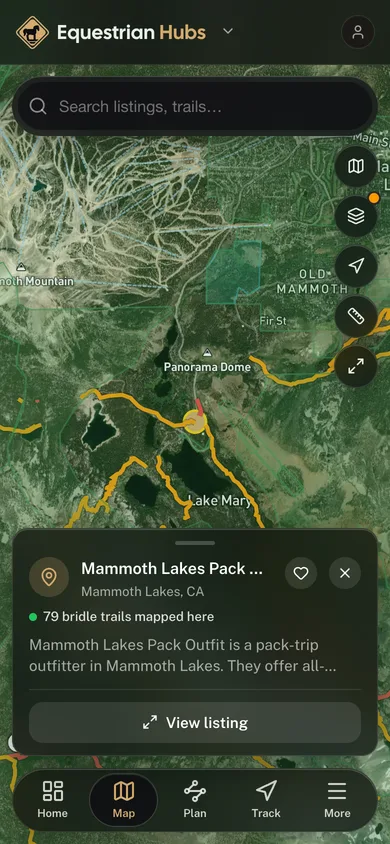
Tap a pin to open its profile.
Quick facts
- Bridle trails mapped
- 19
- Stables listed
- 21
- Best season
- April through November
All listings
21 stables
across Pennsylvania
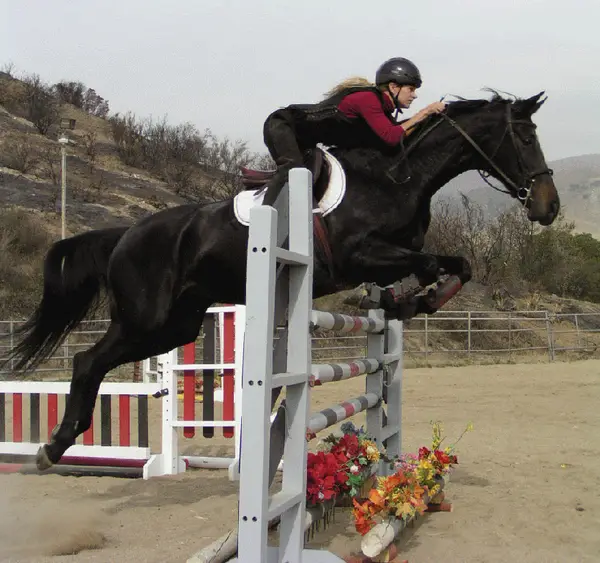
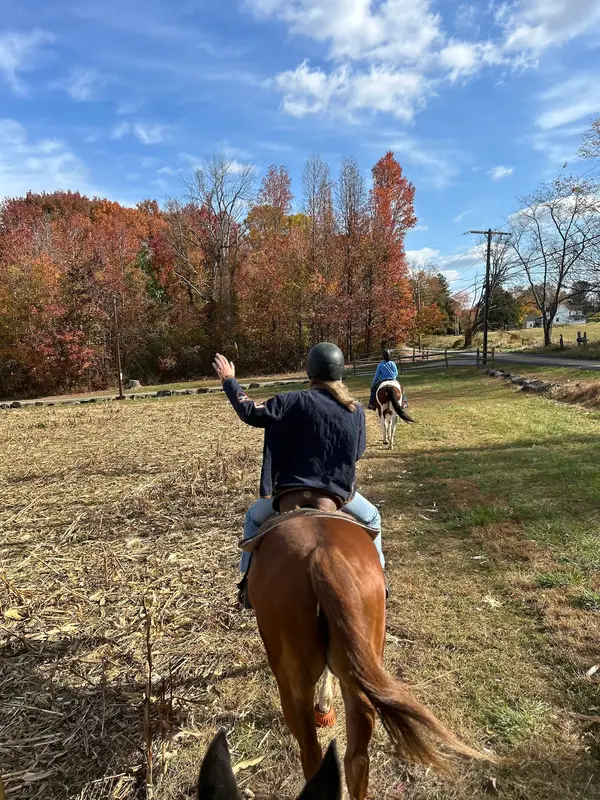
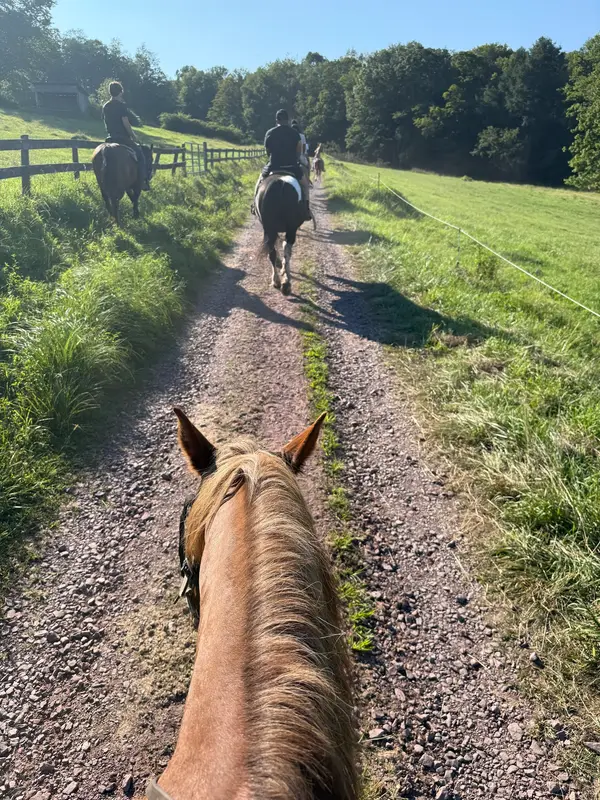
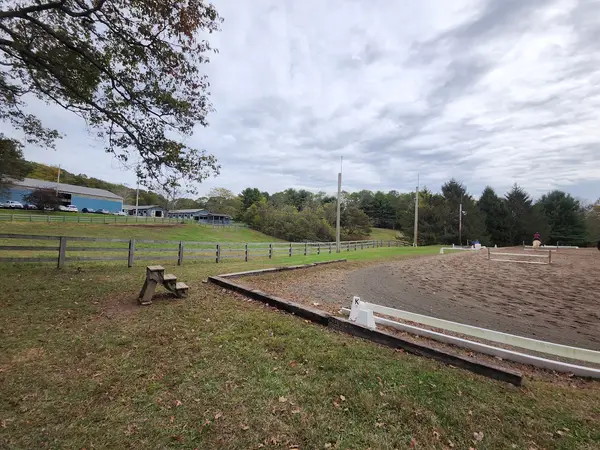
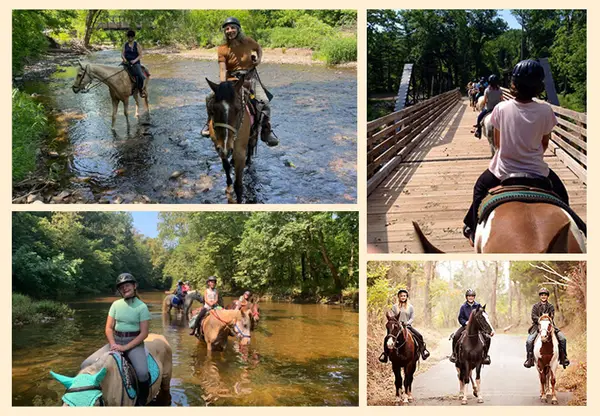
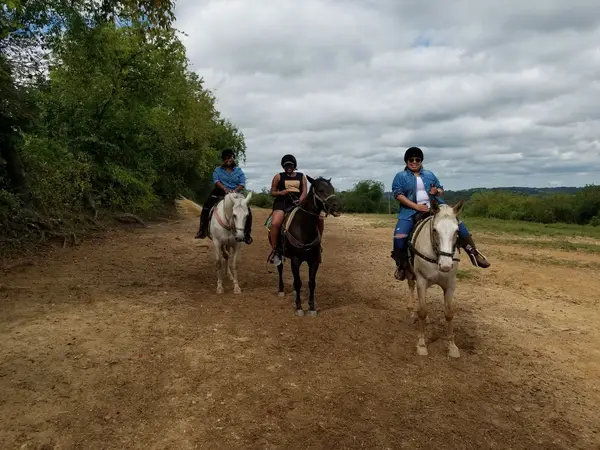
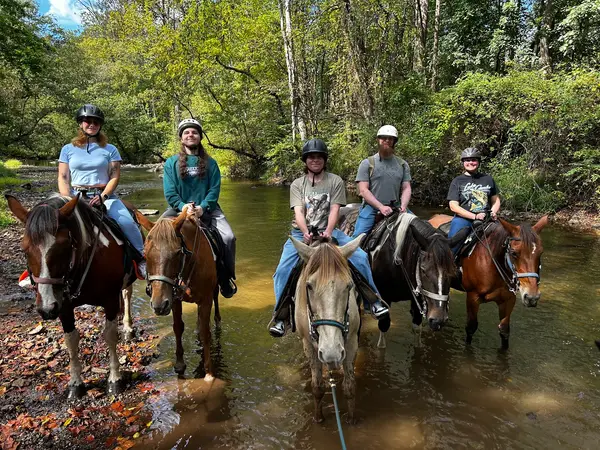
Plan your trip
Plan your trip to Pennsylvania
Equine Activity Liability Act
Pennsylvania has an Equine Activities Immunity Act (4 P.S. § 601 et seq.) which limits the liability of equine activity sponsors, participants, and professionals for injuries inherent to equine activities, provided certain conditions, including warning sign postings, are met. Visitors should be aware of these inherent risks.
Riding Season and Weather Windows
The primary riding season extends from late spring through fall, offering the most comfortable temperatures and accessible trails. Summer can be hot and humid, requiring early morning or late evening rides. Winter riding is often restricted to indoor arenas or very specific, clear days due to snow and ice conditions, especially in mountainous regions.
Horseback Access on Public Trails
Horseback riding is permitted on designated trails within many Pennsylvania State Parks and State Forests, as well as in the Allegheny National Forest. Riders should always verify specific trail regulations, permit requirements, and seasonal closures with the managing agency before planning a ride. Some areas may require a permit or have specific rules regarding horse use.
English vs. Western Disciplines
Pennsylvania supports a strong presence of both English and Western riding disciplines. English disciplines like hunter/jumper, dressage, and eventing are prevalent, particularly in the southeastern and central regions. Western riding, including pleasure, reining, and trail riding, is popular statewide, especially among those utilizing guest ranches and trail outfitters.
Lesson, Camp, and Guided Trail Ride Availability
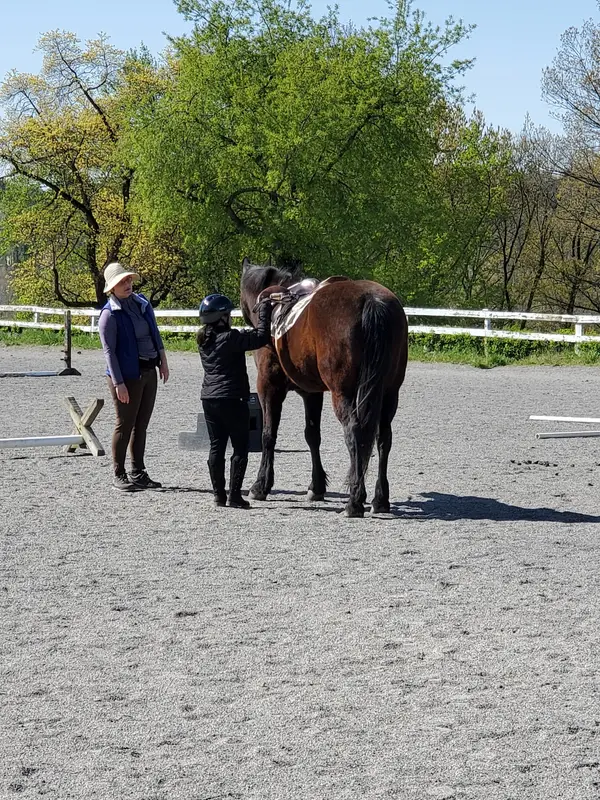
Riding lessons and camps are widely available across the state, catering to all ages and skill levels from beginner to advanced. Guided trail rides are offered by many stables and guest ranches, providing horses and equipment for exploring Pennsylvania's diverse landscapes. Booking in advance, especially during peak seasons, is highly recommended.
Boarding and Training Norms
For horse owners seeking boarding or training, a current Coggins test (negative result for Equine Infectious Anemia) is universally required by Pennsylvania stables and events. Many facilities also require a health certificate for horses arriving from out-of-state. Pennsylvania has no statewide law requiring equestrian helmets, but many stables require them for minors and during lessons, and helmet use is strongly recommended for all riders.
Confirm current requirements with the state agency before your trip. Rules and fees change every season.
Equine Health Requirements (Coggins Test)
All equids entering Pennsylvania or participating in events/boarding within the state must have a current negative Coggins test for Equine Infectious Anemia (EIA). This test must have been conducted within 12 months for interstate travel and often for intrastate activities. Always carry proof of a negative Coggins test.
Interstate Movement Health Certificate
Horses entering Pennsylvania from another state must be accompanied by an official Certificate of Veterinary Inspection (health certificate) issued by an accredited veterinarian within 30 days prior to entry. This ensures the horse is free from signs of infectious, contagious, or communicable diseases.
Equine Activity Immunity Act Posting
Equine activity sponsors, participants, and professionals in Pennsylvania are typically required to post warning signs regarding the inherent risks of equine activities, as stipulated by the state's Equine Activities Immunity Act. Visitors should expect to see these signs at equestrian facilities.
Commercial Stable Licensing
Commercial stables, including boarding operations, riding academies, and trail ride facilities, are often regulated and may require licensing through the Pennsylvania Department of Agriculture to ensure animal welfare and public safety standards are met. Operators should verify specific requirements with the state agency.
Helmet Use for Minors
Pennsylvania has no statewide law mandating equestrian helmets for any rider, including minors. In practice, most riding academies, stables, and guest ranches require ASTM/SEI approved helmets for minors during lessons and guided rides, and strongly recommend them for riders of all ages.
- 01
1. Determine Your Equestrian Goal
A guided trail ride, lessons, a guest-ranch weekend, a pack trip, or boarding and training for your own horse, decide first, because each leads to a different kind of operation.
- 02
2. Research Pennsylvania Regions and Operations
Match landscape to goal (Wilds for backcountry, southeast for lessons and boarding), then use a directory like Equestrian Hubs to find ranches, stables, academies, or outfitters that fit.
- 03
3. Verify Health and Safety Requirements
Hauling your own horse means a current negative Coggins and, coming from out of state, a health certificate. Also confirm helmet rules and liability waivers with each operation you plan to visit.
- 04
4. Contact and Book in Advance
Call, confirm availability and pricing, ask about requirements, and book early, peak seasons and the popular experiences fill fast.
- 05
5. Prepare for Your Trip
Closed-toe shoes with a heel, riding-appropriate clothes, and a check on what gear the outfitter provides. Review directions and arrival procedures, and sort any dietary or lodging details if a guest ranch is involved.
01Is a Coggins test required for horses visiting Pennsylvania?
02Are helmets required for all riders in Pennsylvania?
03Can I bring my own horse to ride on public trails?
04What types of equestrian operations are available for beginners?
05What is the best time of year to visit Pennsylvania for equestrian activities?
06Do Pennsylvania's guest ranches offer more than just riding?
Free tools
Your free outdoor toolkit

Everything Map
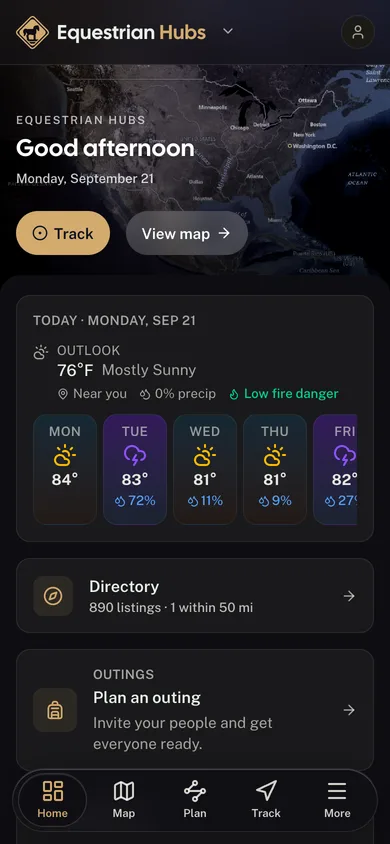
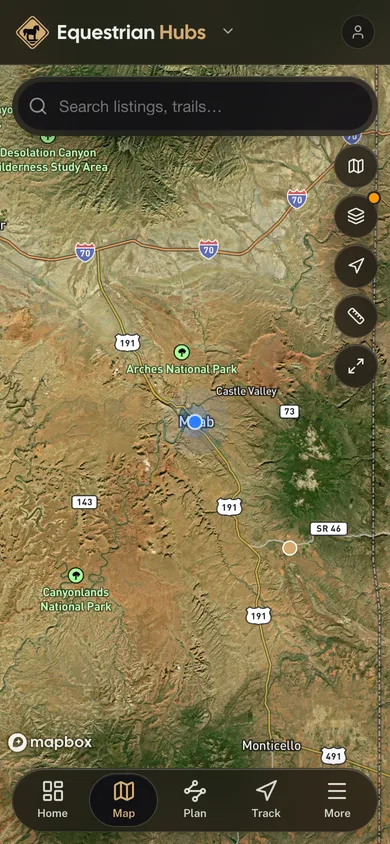
Listings, trails, spots, clubs and public land on a single full-screen map. Switch layers on and off, then tap any point for the details.
Open Everything MapTrail Explorer
Browse a community map of named trails with distance, difficulty, and where each one starts.
Open Trail ExplorerRoute Planner
Drop stops on a map and watch distance and drive time add up. Export a GPX or share the link.
Open Route PlannerRiding Clubs
Browse local clubs with meeting info and how to join, or start your own for free.
Open Riding ClubsPhoto ID
Point your camera at whatever you found and get a structured identification. No signup.
Open Photo IDGear Checklists
Printable, save-as-you-go packing lists. Tick items off and pull them up on your phone.
Open Gear Checklists

Keep exploring