Stables & Ranches · Kentucky
Stables & Ranches in Kentucky
Ride 18 stables across Kentucky. Maps, hours, contact info, photos, and verified operator profiles, all in one place.
Cave country, the Cumberland Plateau, and the longest cave system on Earth.
About Kentucky
Best time to go
When to ride in Kentucky
April through November.
- March–April and October–November: the region’s best stretches
- Mild winters keep trails open when the North is frozen
- Summer means fly masks, fly spray, and dawn rides ahead of the afternoon storms
18 on the map
Tap a pin to open its profile.
Quick facts
- Bridle trails mapped
- 22
- Stables listed
- 18
- Best season
- April through November
Bridle Trails
Bridle trails across Kentucky
Tap a trail to trace its route on the map, then open it for the full profile.
All listings
18 stables
across Kentucky
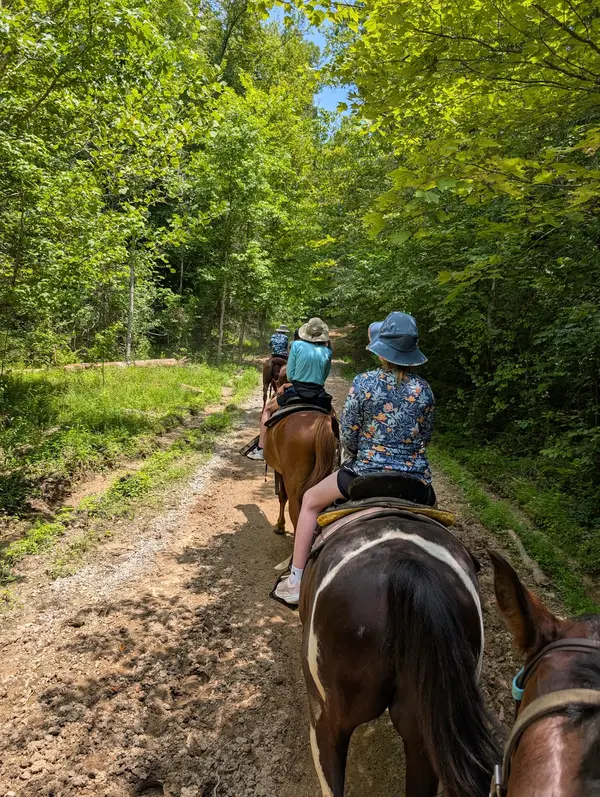
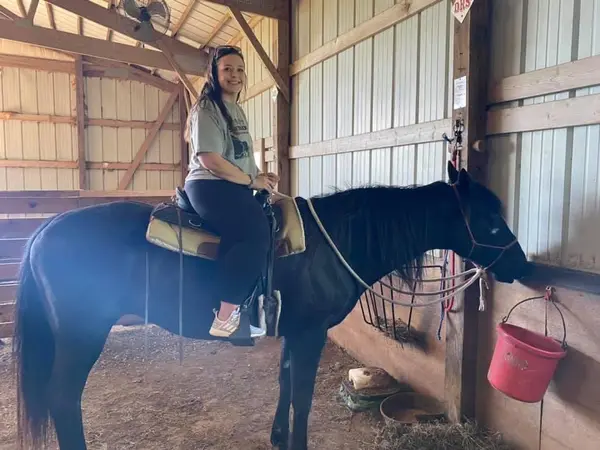
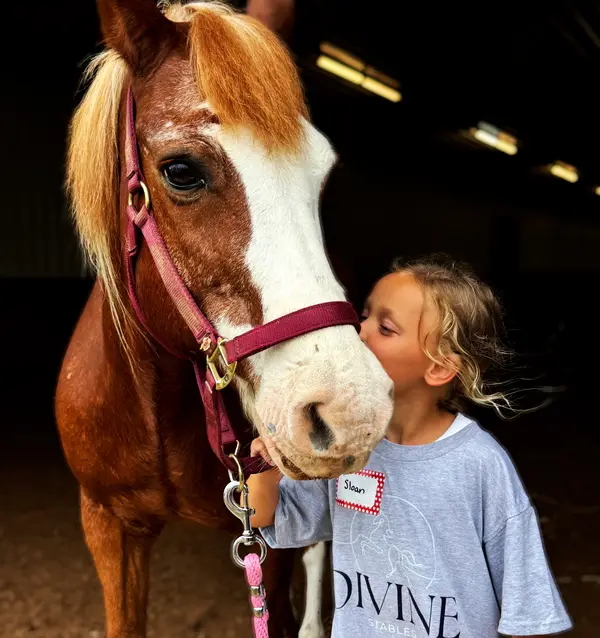
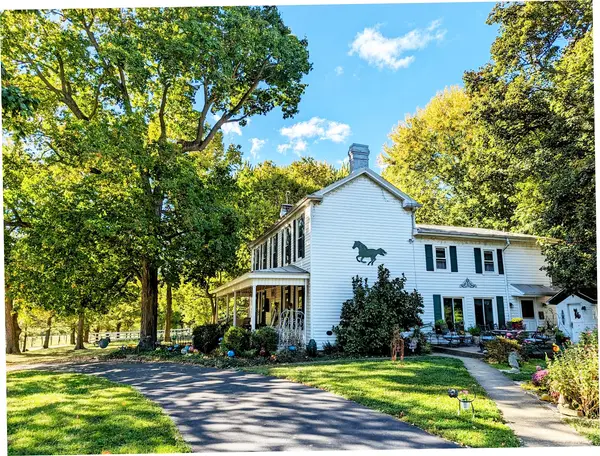
Plan your trip
Plan your trip to Kentucky
Equine Activity Liability Act
Kentucky's Farm Animals Activities Act (KRS 247.401-247.4029) limits the liability of farm-animal (including equine) activity sponsors or professionals for injuries resulting from the inherent risks of equine activities. Operators are typically required to post warning signs to inform participants of these inherent risks.
Riding Season and Weather
Kentucky offers year-round riding opportunities, though peak trail riding seasons are generally spring and fall when temperatures are mild and foliage is either budding or changing. Summers can be hot and humid, while winters can bring cold temperatures and occasional snow, impacting outdoor activities.
Public Trail Access
Horseback riding is permitted on designated trails within Kentucky State Parks and the Daniel Boone National Forest. Always check specific park or forest regulations for trail conditions, permit requirements, and seasonal closures before planning a ride.
Disciplines and Availability
Both English and Western riding disciplines are popular. The Bluegrass Region is renowned for English riding, particularly Thoroughbred racing, hunter/jumper, and dressage. Western riding, including trail riding and pleasure, is widespread, especially in the more rural and forested areas. Lessons, camps, and guided trail rides are widely available across the state, catering to all skill levels.
Boarding and Training Norms
For boarding or training, a current Coggins test (proof of negative Equine Infectious Anemia status) is universally required for any horse entering a Kentucky facility. Helmet use is generally mandatory for minors participating in lessons or guided activities at most facilities, and strongly recommended for all riders.
Confirm current requirements with the state agency before your trip. Rules and fees change every season.
Equine Infectious Anemia (Coggins Test)
All equids entering Kentucky, or participating in events, or boarding at facilities must have a negative Coggins test result within the last 12 months. This is a crucial health regulation to prevent the spread of Equine Infectious Anemia.
Kentucky Department of AgricultureEquine Activity Liability Act Signage
Equestrian operators, including guest ranches, stables, and academies, are generally required to post specific warning signs as outlined in Kentucky's Farm Animals Activities Act (KRS 247.401-247.4029) to inform participants of the inherent risks associated with equine activities.
Business Licensing and Permits
Equestrian operations must comply with general state and local business licensing requirements. This includes obtaining necessary business licenses, permits, and ensuring adherence to local zoning ordinances. Specific recreational outfitter licenses may also be required depending on the nature of services offered.
- 01
Define Your Equestrian Goal
A guided trail ride, a lesson program, a guest ranch stay, and boarding for your own horse point you at four different kinds of operation. Pick the target before you start researching.
- 02
Research Operations and Locations
Match the region to the riding (Bluegrass for instruction and boarding, the forests for trails), then read reviews and dig into what each guest ranch, stable, or academy actually offers.
- 03
Verify Horse Health Requirements
If your horse is coming with you, the negative Coggins (within 12 months) is non-negotiable at every Kentucky facility. Ask your chosen barn about any additional vaccination requirements while you're at it.
- 04
Book in Advance
Spring and fall dates go early, and guest ranch stays and popular lesson slots go earlier. Book well ahead if you care about specific dates.
- 05
Confirm Facility Rules and Prepare
One phone call settles helmet policy, attire expectations, and trail etiquette. Make it before you pack, then bring gear that matches what they told you.
01Is a Coggins test required for horses visiting Kentucky?
02Are helmets mandatory for riders in Kentucky?
03What is the best time of year for trail riding in Kentucky?
04What types of riding disciplines are most prevalent in Kentucky?
05Can I bring my own horse to ride on public trails in Kentucky?
06What should I wear for a guided trail ride in Kentucky?
Watch & learn
Watch & learn, Kentucky
GoPro: Lissavorra Quality (CCI4* -S | 2026 Defender Kentucky Three Day Event
Elisa Wallace Eventing
0Horseback Trail Ride, Knott County, Kentucky
gsturmann
0Our first time in Kentucky: Horseback riding + trying a Hot Brown burger!
Adventures of A+K
0
Free tools
Your free outdoor toolkit

Everything Map
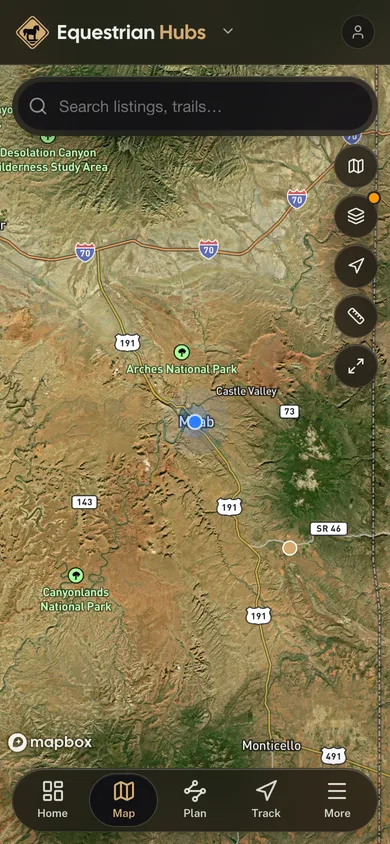
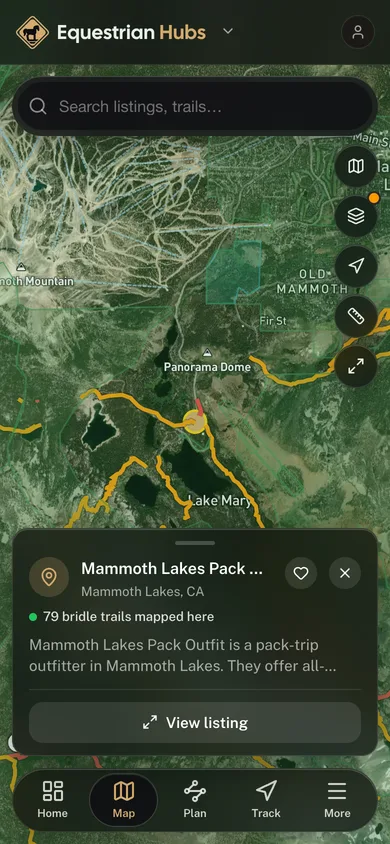
Listings, trails, spots, clubs and public land on a single full-screen map. Switch layers on and off, then tap any point for the details.
Open Everything MapTrail Explorer
Browse a community map of named trails with distance, difficulty, and where each one starts.
Open Trail ExplorerRoute Planner
Drop stops on a map and watch distance and drive time add up. Export a GPX or share the link.
Open Route PlannerRiding Clubs
Browse local clubs with meeting info and how to join, or start your own for free.
Open Riding ClubsPhoto ID
Point your camera at whatever you found and get a structured identification. No signup.
Open Photo IDGear Checklists
Printable, save-as-you-go packing lists. Tick items off and pull them up on your phone.
Open Gear Checklists

Keep exploring