Stables & Ranches · Idaho
Stables & Ranches in Idaho
Ride 10 stables across Idaho. Maps, hours, contact info, photos, and verified operator profiles, all in one place.
Wilderness density second only to Alaska. Salmon, Sawtooths, and Snake River.
About Idaho
Best time to go
When to ride in Idaho
June through October. Winter is for resorts.
- June–September: the dude-ranch and pack-trip window the whole region waits for
- Book ranch stays months ahead, peak-summer weeks sell out
- Snow keeps high trails closed into late spring; lower valleys open first
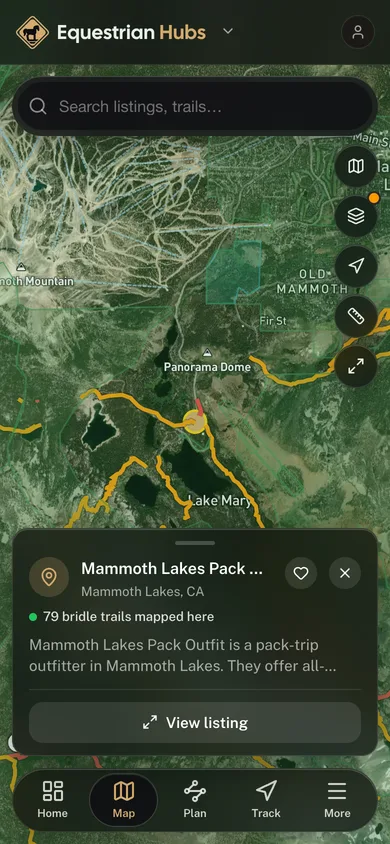
10 on the map
Tap a pin to open its profile.
Quick facts
- Bridle trails mapped
- 628
- Stables listed
- 10
- Best season
- June through October
All listings
10 stables
across Idaho
Plan your trip
Plan your trip to Idaho
Equine Activity Liability Statute
Idaho has an Equine Activities Immunity statute (Idaho Code Title 6, Chapter 18) that limits liability for equine activity sponsors, participants, and professionals against claims for injury or death resulting from the inherent risks of equine activities. Operators typically post warning signs as required by law.
Riding Season and Weather Windows
The primary riding season in Idaho's higher elevations generally runs from late May or early June through September, depending on snowmelt and early snowfall. Lower elevation trails and indoor facilities allow for year-round riding, though extreme heat in summer and cold/snow in winter can dictate optimal riding times.
Public Trail Access
Horseback riding is generally permitted on designated trails within Idaho's National Forests and Bureau of Land Management (BLM) lands. Riders should always check with the specific land management agency for current conditions, trail closures, and any area-specific regulations, particularly concerning wilderness areas or fire restrictions.
Disciplines and Availability
Western riding, including ranch work, reining, and trail riding, is predominant across Idaho. However, English disciplines such as dressage and show jumping are well-represented, especially in urban centers like Boise and Coeur d'Alene. Lessons, camps, and guided trail rides are widely available, particularly during the summer months.
Boarding and Training Norms
Most boarding and training barns in Idaho require proof of a current Coggins test (Equine Infectious Anemia) for all incoming horses. While not mandated by state law for all riders, helmets are strongly recommended, and many facilities, especially those offering lessons or youth programs, require helmets for minors and often for all riders.
Confirm current requirements with the state agency before your trip. Rules and fees change every season.
Idaho Brand Inspection
Horses transported within Idaho or entering the state are subject to brand inspection to verify ownership and prevent theft. This applies to sales, changes of ownership, and often for movement across county lines or out of state. Verify specific requirements with the Idaho State Department of Agriculture.
Equine Infectious Anemia (EIA) Test
A current negative Coggins test (within 12 months) for Equine Infectious Anemia (EIA) is required for all equids entering Idaho. Many boarding facilities, show grounds, and trail ride events also require proof of a negative EIA test for participation.
Outfitters and Guides Licensing
Any individual or business offering commercial guided equestrian activities, such as pack trips, trail rides, or hunting trips on public lands, must be licensed by the Idaho Outfitters and Guides Licensing Board. This ensures adherence to safety standards and ethical practices.
Idaho Outfitters and Guides Licensing BoardWeed-Free Forage Requirements
When packing into or riding on many public lands in Idaho, particularly National Forests and Wilderness Areas, it is often required to use certified weed-free hay, pellets, or other forage. This regulation helps prevent the spread of invasive plant species. Always check with the specific land management agency for current rules.
- 01
1. Define Your Equestrian Goal
A wilderness pack trip and a weekly dressage lesson are different trips to different parts of the state. Decide whether you want a guest ranch, a guided ride, instruction, or boarding and training before you start searching, it cuts the options down fast.
- 02
2. Research Operators by Region
Idaho is big enough that geography decides what's on offer: North Idaho for lake-and-forest riding, Central Idaho for wilderness pack trips, Southwest Idaho for lessons and boarding amenities. Pick the region that matches the goal, then find the operators in it.
- 03
3. Confirm Health and Safety Requirements
Hauling your own horse means a current negative Coggins test and knowing Idaho's brand inspection rules. Riding someone else's means asking about helmet policies and signing their waiver. Sort both out before you arrive.
- 04
4. Prepare for Idaho's Diverse Conditions
Mountain weather turns without asking permission. Pack layers, wear sturdy riding gear, and expect trail conditions to vary, especially anywhere near the wilderness boundaries.
- 05
5. Understand Public Land Etiquette
Know Leave No Trace, and know the horse-specific rules for the National Forest or BLM land you're riding, weed-free forage requirements included. The access is generous; keeping it that way is on the riders.
01What types of equestrian operations are most common in Idaho?
02Is a Coggins test required for horses visiting Idaho?
03Are helmets required for riders in Idaho?
04Can I bring my own horse to Idaho's public lands?
05What is the best time of year for trail riding in Idaho?
06Are there specific regulations for packing into wilderness areas?
Free tools
Your free outdoor toolkit
Everything Map
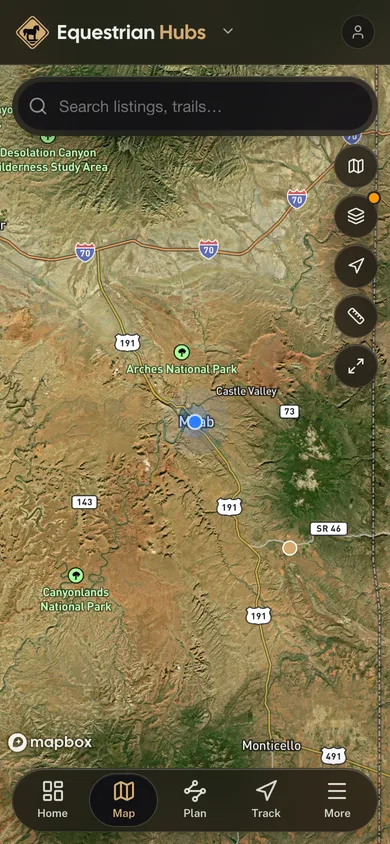
Listings, trails, spots, clubs and public land on a single full-screen map. Switch layers on and off, then tap any point for the details.
Open Everything MapTrail Explorer
Browse a community map of named trails with distance, difficulty, and where each one starts.
Open Trail ExplorerRoute Planner
Drop stops on a map and watch distance and drive time add up. Export a GPX or share the link.
Open Route PlannerRiding Clubs
Browse local clubs with meeting info and how to join, or start your own for free.
Open Riding ClubsPhoto ID
Point your camera at whatever you found and get a structured identification. No signup.
Open Photo IDGear Checklists
Printable, save-as-you-go packing lists. Tick items off and pull them up on your phone.
Open Gear Checklists