Stables & Ranches · Oregon
Stables & Ranches in Oregon
Ride 22 stables across Oregon. Maps, hours, contact info, photos, and verified operator profiles, all in one place.
Cascades, the high desert, and the most varied coastline in the lower 48.
About Oregon
Best time to go
When to ride in Oregon
June through October.
- March–May and September–October: firm footing, mild air, green country
- Coastal trails stay rideable most of the year thanks to mild temperatures
- Winter rain can close dirt trails for days, and covered arenas bridge the gap
22 on the map
Tap a pin to open its profile.
Quick facts
- Bridle trails mapped
- 362
- Stables listed
- 22
- Best season
- June through October
All listings
22 stables
across Oregon



Plan your trip
Plan your trip to Oregon
Equine Activity Liability Act
Oregon has an Equine Activity Liability Act (ORS 30.687 to 30.697) that limits liability for equine activity sponsors and professionals for injuries resulting from the inherent risks of equine activities. Operators typically post warning signs as required by the statute.
Riding Season & Weather
The primary riding season for extensive trail networks in the mountains and high desert is generally May through October. Coastal and lower elevation areas, particularly in the Willamette Valley and Southern Oregon, offer riding opportunities year-round, though winter months bring rain.
Public Land Access
Horseback riding is widely permitted on designated trails within Oregon's National Forests, Bureau of Land Management (BLM) lands, and many state parks. Riders should always check with the specific land management agency for current trail conditions, closures, and any required permits.
Disciplines and Availability
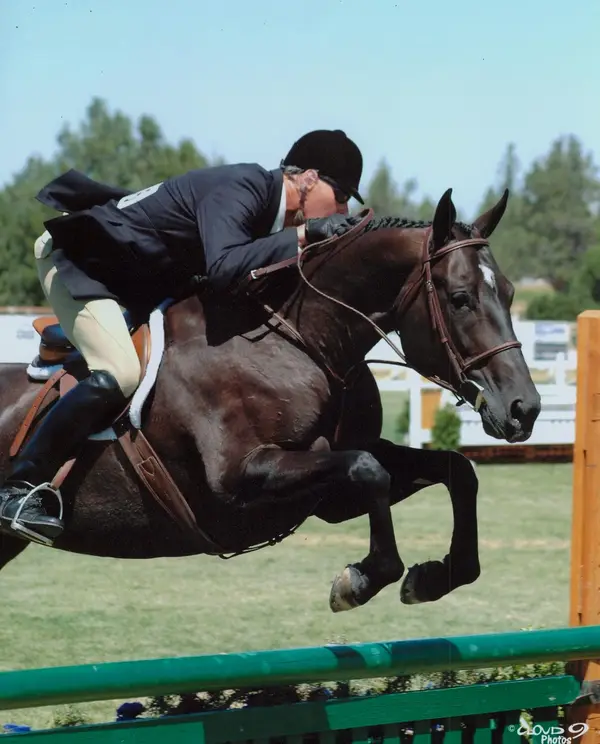
English riding disciplines, including dressage and jumping, are prominent in the Willamette Valley. Western riding, including trail riding, reining, and ranch work, is prevalent statewide, especially in Central and Eastern Oregon. Lessons, camps, and guided trail rides are widely available.
Boarding & Training Norms
For horses traveling into Oregon for boarding or training, a current negative Coggins (EIA) test within the prior 12 months is required by Oregon law for entry, and facilities require it as well. Helmet use for minors is typically required by stables offering lessons or guided rides, and strongly recommended for all riders.
Confirm current requirements with the state agency before your trip. Rules and fees change every season.
Coggins Test for Interstate Travel
Oregon requires horses entering the state to have a negative Equine Infectious Anemia (EIA) test (Coggins) within the last 12 months, plus a Certificate of Veterinary Inspection issued within 30 days (foals under 6 months at a tested dam's side are exempt from the EIA test). Boarding facilities, event venues, and commercial operations require the same proof. Always confirm with your destination.
Brand Inspection for Change of Ownership/Transport
Oregon requires brand inspection for horses under certain conditions, including change of ownership, transport out of state, or movement to certain auction markets. While not always directly impacting a visiting rider, understanding this ensures compliance for horse owners.
Commercial Outfitter & Guide Permits
Commercial equestrian outfitters offering guided trail rides or pack trips on public lands (National Forests, BLM) are required to obtain specific permits from the managing agency. Visitors engaging with these services should ensure their chosen outfitter is properly licensed and permitted.
- 01
Step 1: Define Your Equestrian Goal
Guided trail ride, lessons, a guest-ranch stay, or a full pack trip, the answer determines which operators and which side of the Cascades you should be looking at.
- 02
Step 2: Research Operators and Locations
Use online directories and state tourism resources to shortlist businesses in the right region: Central Oregon for trail riding, the Willamette Valley for lessons, and so on.
- 03
Step 3: Verify Requirements and Book
Call the stable, ranch, or outfitter. Nail down availability, pricing, and specifics (rider experience levels, weight limits, Coggins requirements if you're hauling your own horse), then book it.
- 04
Step 4: Prepare for Your Trip
Closed-toe shoes with a heel, weather-appropriate layers, and nothing you'd mind getting dusty. Bringing your own horse? Current health records and a trailer in good repair.
- 05
Step 5: Understand Local Regulations
Read up on Oregon's equine liability law, public-land access rules, and the policies of whatever facility you're visiting. Ten minutes of homework prevents most surprises.
01What are the typical helmet requirements for riders in Oregon?
02Do I need a Coggins test for my horse to enter Oregon or use facilities?
03Can I ride my own horse on public trails in Oregon?
04Are there many guest ranches or dude ranches in Oregon?
05What's the best time of year for trail riding in Oregon?
06Are English or Western riding disciplines more prevalent in Oregon?
Free tools
Your free outdoor toolkit

Everything Map
Listings, trails, spots, clubs and public land on a single full-screen map. Switch layers on and off, then tap any point for the details.
Open Everything MapTrail Explorer
Browse a community map of named trails with distance, difficulty, and where each one starts.
Open Trail ExplorerRoute Planner
Drop stops on a map and watch distance and drive time add up. Export a GPX or share the link.
Open Route PlannerRiding Clubs
Browse local clubs with meeting info and how to join, or start your own for free.
Open Riding ClubsPhoto ID
Point your camera at whatever you found and get a structured identification. No signup.
Open Photo IDGear Checklists
Printable, save-as-you-go packing lists. Tick items off and pull them up on your phone.
Open Gear Checklists

Keep exploring