Stables & Ranches · California
Stables & Ranches in California
Ride 32 stables across California. Maps, hours, contact info, photos, and verified operator profiles, all in one place.
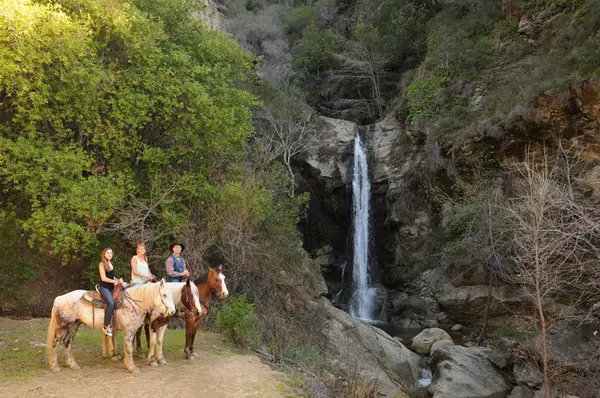
Coastline, Sierras, deserts, and redwoods. Every outdoor environment in one state.
About California
Best time to go
When to ride in California
Year-round. Conditions vary dramatically by region.
- March–May and September–October: firm footing, mild air, green country
- Coastal trails stay rideable most of the year thanks to mild temperatures
- Winter rain can close dirt trails for days, and covered arenas bridge the gap
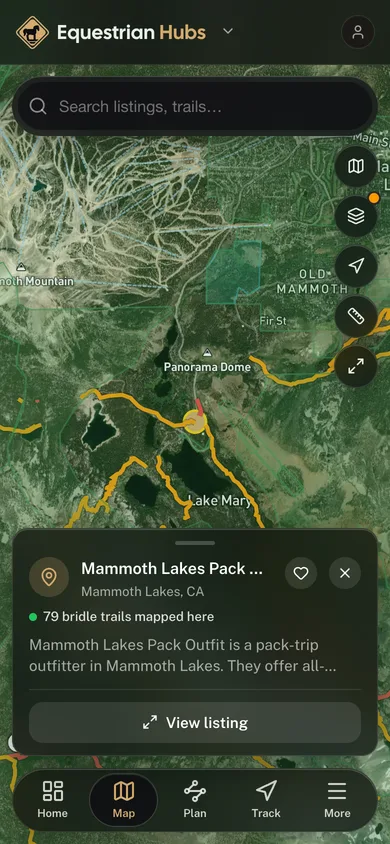
32 on the map
Tap a pin to open its profile.
Quick facts
- Bridle trails mapped
- 1,377
- Stables listed
- 32
- Best season
- Year-round
All listings
32 stables
across California

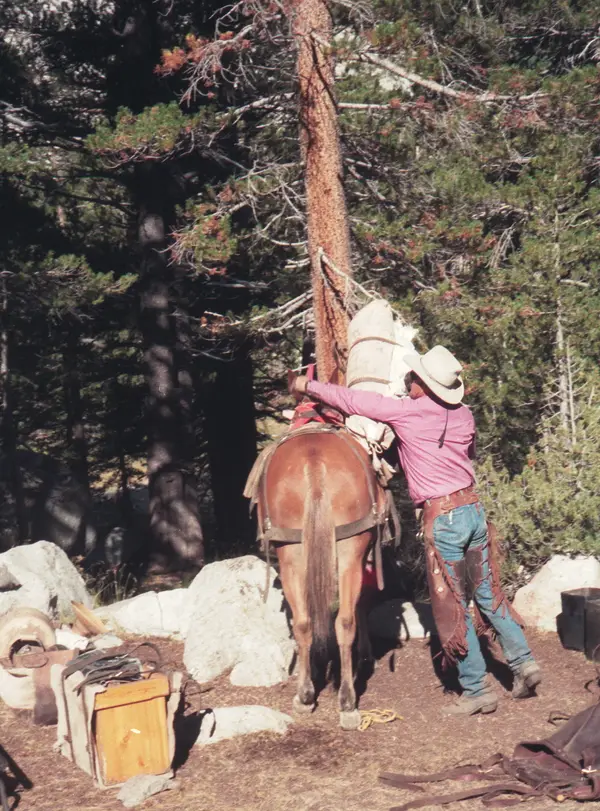
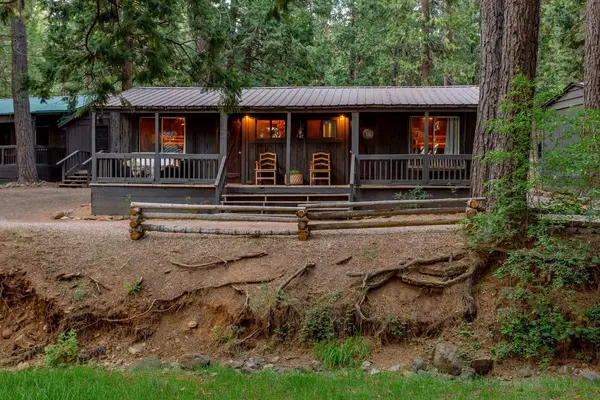
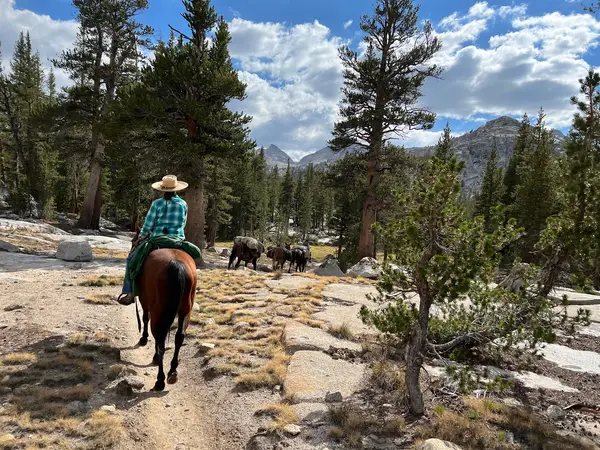

Plan your trip
Plan your trip to California
Equine Activity Liability Statute
California is one of the few states with no Equine Activity Liability Act; horse-injury claims are governed by the common-law assumption-of-risk doctrine. Operators are not statutorily required to post equine warning signs, though most use signed liability waivers and many post warning signs voluntarily.
Riding Seasons and Weather
California offers year-round riding, but the best season depends on the region. Southern California and coastal areas are pleasant in winter, while the Sierra Nevada is best explored from late spring through early fall. Always check local weather and trail conditions before planning a ride.
Public Trail Access
Horseback riding is permitted on many trails within California State Parks, National Forests, and Bureau of Land Management (BLM) lands. Specific regulations vary by agency and location; riders should consult the managing agency for current access policies and any required permits.
Disciplines and Availability
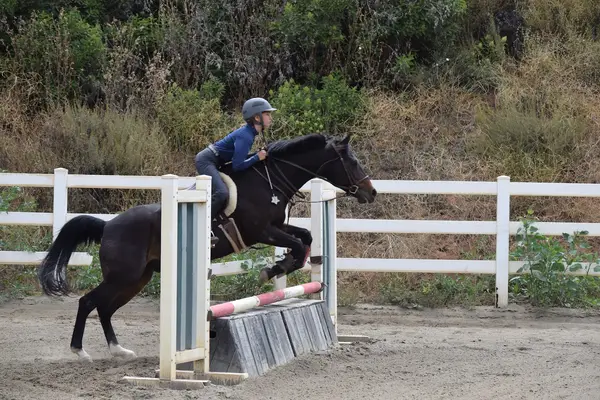
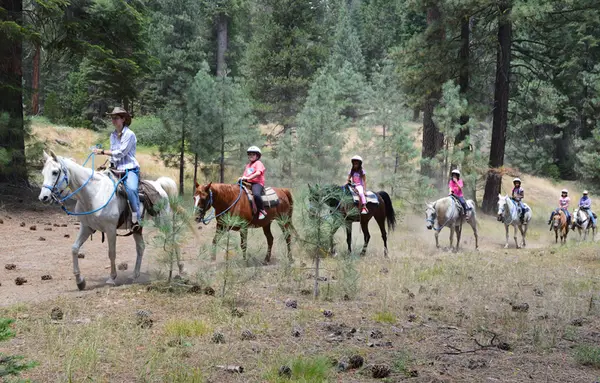
Both English and Western disciplines are widely available. English riding (dressage, show jumping, eventing) is prominent in metropolitan and affluent areas, while Western riding (reining, cutting, trail riding) is prevalent statewide, particularly in rural and ranching communities. Lessons, camps, and guided trail rides are widely available from various operators.
Boarding and Training Norms
Horses entering California from other states must have a current negative Coggins test (within 12 months) and a Certificate of Veterinary Inspection (within 30 days). For in-state travel, a Coggins test is generally not required. California law (Vehicle Code § 21300) requires riders under 18 to wear a helmet on paved public highways; many facilities enforce this for all minors on their property, and often recommend helmets for all riders.
Confirm current requirements with the state agency before your trip. Rules and fees change every season.
Equine Activity Warning Sign
Unlike most states, California has no Equine Activity Liability Act and no statutory equine warning-sign requirement; horse-injury claims fall under the common-law assumption-of-risk doctrine. Many operators still post warning signs and require signed liability waivers. Riders should always be aware of the inherent risks involved with horses.
California Legislative InformationOut-of-State Horse Entry Requirements
Horses entering California from another state or country must be accompanied by a Certificate of Veterinary Inspection (CVI) issued within 30 days of entry and a negative Equine Infectious Anemia (EIA/Coggins) test conducted within the previous 12 months. This is crucial for anyone bringing their own horse to a boarding facility, guest ranch, or trail head.
California Department of Food and AgricultureHelmet Requirement for Minors
California Vehicle Code Section 21300 requires any person under 18 years of age riding an equestrian animal on a paved highway to wear a properly fitted and fastened helmet meeting ASTM or CPSC standards. Many riding academies and stables extend this requirement to all minors on their property for safety reasons.
California Legislative Information
- 01
1. Define Your Equestrian Goal
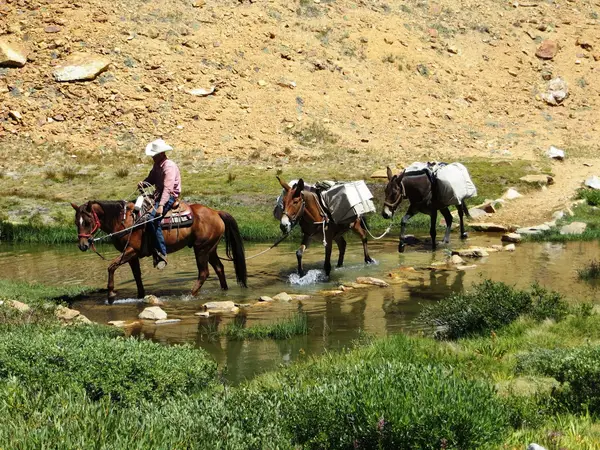
A guided trail ride, a multi-day pack trip, lessons, or boarding for your own horse, each points to a different corner of California's industry, so decide before you search.
- 02
2. Research California Regions and Seasons
Match the region to the activity and the calendar. Climate, terrain, and operating seasons vary enormously here, the right month in the wrong region is still the wrong trip.
- 03
3. Verify Operator Requirements and Availability
Call the guest ranch, stable, or barn directly: age limits, experience expectations, Coggins requirements for visiting horses, and whether your dates are actually open.
- 04
4. Understand State Regulations
Know the equine liability law, the helmet rule for minors, and, if you're hauling in from out of state, the entry paperwork your horse will need at the door.
- 05
5. Book and Prepare for Your Trip
Reserve well ahead in peak season, then get your kit in order: riding attire, essential gear, and any health certificates or permits, so nothing slows you down on arrival.
01Do I need a Coggins test to bring my horse to California?
02Are helmets required for horseback riding in California?
03Can I ride my own horse on public trails in California?
04What types of equestrian operations are most common in California?
05What is the best time of year for a pack trip in the Sierra Nevada?
06Are there opportunities for English riding disciplines in California?
Free tools
Your free outdoor toolkit

Everything Map
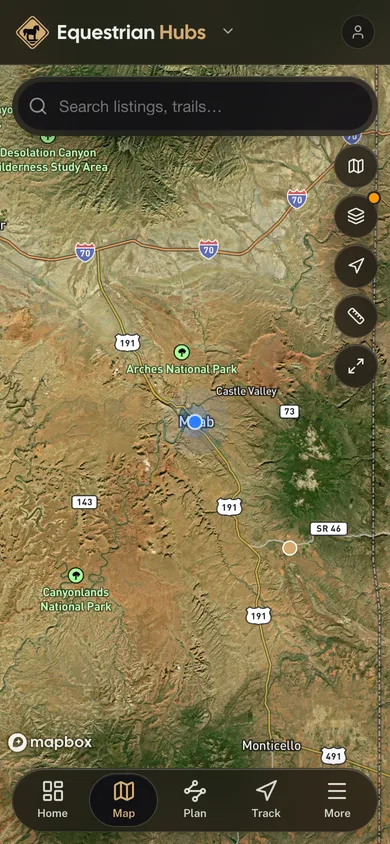
Listings, trails, spots, clubs and public land on a single full-screen map. Switch layers on and off, then tap any point for the details.
Open Everything MapTrail Explorer
Browse a community map of named trails with distance, difficulty, and where each one starts.
Open Trail ExplorerRoute Planner
Drop stops on a map and watch distance and drive time add up. Export a GPX or share the link.
Open Route PlannerRiding Clubs
Browse local clubs with meeting info and how to join, or start your own for free.
Open Riding ClubsPhoto ID
Point your camera at whatever you found and get a structured identification. No signup.
Open Photo IDGear Checklists
Printable, save-as-you-go packing lists. Tick items off and pull them up on your phone.
Open Gear Checklists