Stables & Ranches · Nevada
Stables & Ranches in Nevada
Ride 16 stables across Nevada. Maps, hours, contact info, photos, and verified operator profiles, all in one place.
Great Basin desert, Sierra eastside, and the loneliest road in America.
About Nevada
Best time to go
When to ride in Nevada
October through May for desert; June through October for high country.
- November–March: the desert’s best riding, when the rest of the country is frozen
- Summer rides happen at sunrise, heat and dehydration are real risks for horses
- Spring brings wildflowers and warm, dry footing across the high desert
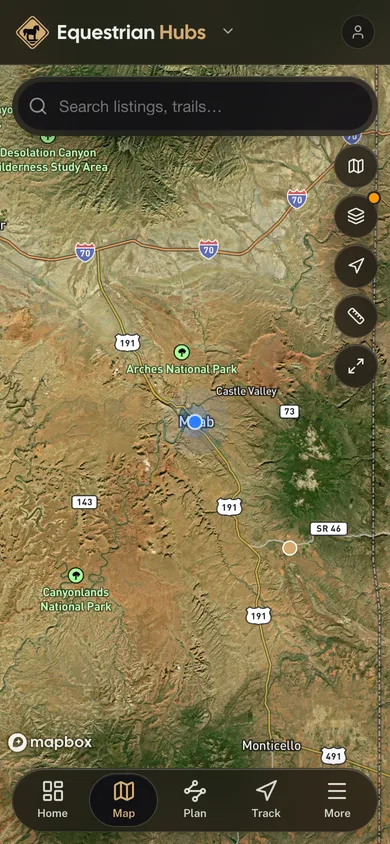
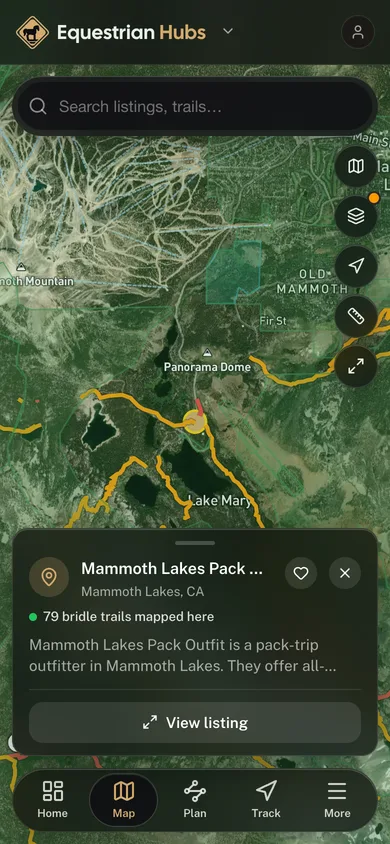
16 on the map
Tap a pin to open its profile.
Quick facts
- Bridle trails mapped
- 15
- Stables listed
- 16
- Best season
- October through May
All listings
16 stables
across Nevada
Plan your trip
Plan your trip to Nevada
Equine Activity Liability Statute
Nevada's equine activity liability statute is NRS 41.519, which immunizes sponsors, equine professionals, and others from liability for injuries resulting from the inherent risks of equine activities. These statutes recognize the inherent risks of equine activities, and operators typically require participants to sign waivers and post warning signs to limit liability.
Riding Season and Weather Windows
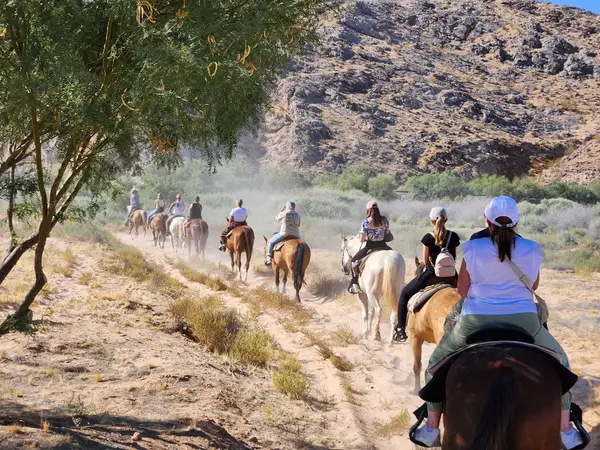
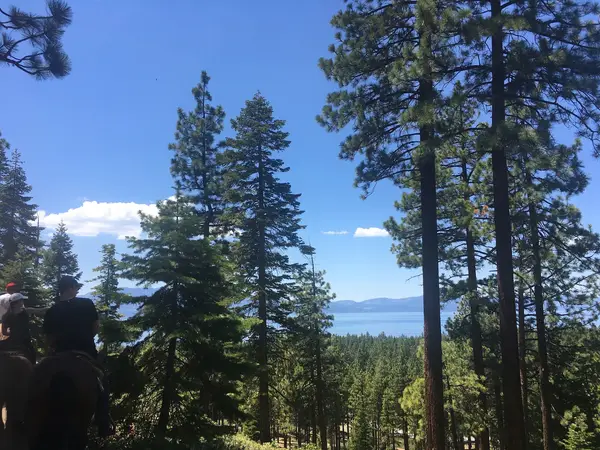
The prime riding season varies significantly by region. Southern Nevada (Las Vegas area) is best from October to April, avoiding intense summer heat. Northern Nevada (Reno, Lake Tahoe) and higher elevations offer excellent riding from late spring through fall, with winter activities generally limited to indoor facilities.
Horseback Access on Public Lands
Nevada boasts vast tracts of public land managed by the Bureau of Land Management (BLM) and the U.S. Forest Service, offering extensive horseback access. Always check specific area regulations for any restrictions, such as wilderness areas or designated motorized vehicle trails.
English vs. Western Disciplines
Western riding is predominant throughout Nevada, particularly for trail riding, ranch work, and guest ranch experiences, reflecting the state's cowboy heritage. However, English disciplines are well-represented in and around metropolitan areas like Reno and Las Vegas, supported by active show circuits and riding academies.
Lesson, Camp, and Guided Trail Ride Availability
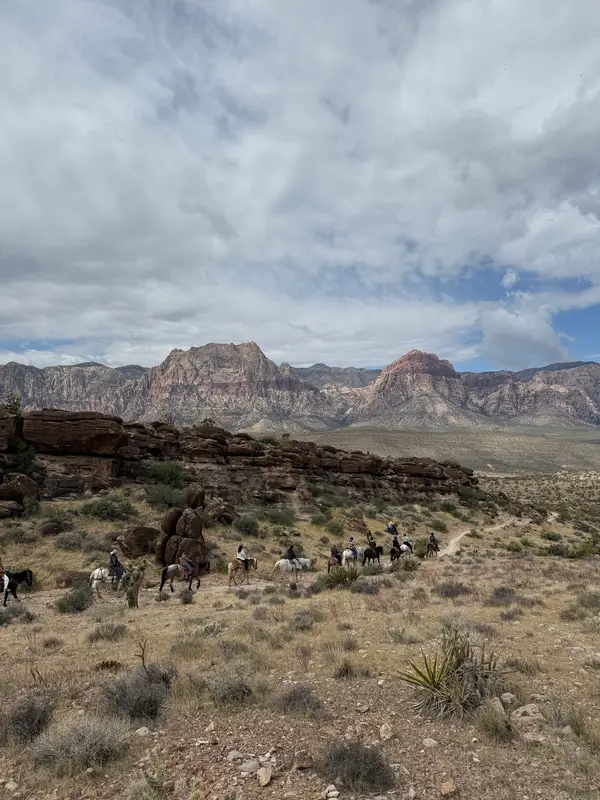
Guided trail rides are widely available, especially near tourist destinations and scenic areas like Red Rock Canyon. Riding academies offer lessons for all ages and skill levels, primarily in populated areas. Equestrian camps are typically offered during school breaks by various stables.
Boarding and Training Norms
For horses entering Nevada for boarding or training, a current negative Coggins test (Equine Infectious Anemia) is universally required. Helmets are strongly recommended for all riders and are often mandatory for minors and participants in lessons or organized activities at most reputable facilities.
Confirm current requirements with the state agency before your trip. Rules and fees change every season.
Equine Infectious Anemia (Coggins Test)
All equids entering Nevada from another state must have a negative Coggins test result obtained within the last 12 months. This is a critical health requirement enforced by the Nevada Department of Agriculture to prevent the spread of disease.
Interstate Health Certificate
In addition to a negative Coggins test, horses entering Nevada from another state must be accompanied by an official Certificate of Veterinary Inspection (CVI) issued by an accredited veterinarian within 30 days prior to entry. This certificate confirms the horse's health status.
Brand Inspection
While not always required for casual visitors, horses being sold, transported long distances within the state, or crossing state lines may be subject to brand inspection by the Nevada Department of Agriculture. Verify specific requirements with the agency based on your travel plans.
- 01
Define Your Equestrian Goals
A guided trail ride, a multi-day pack trip, lessons, or boarding for your own horse, the answer decides which operations and which corners of Nevada you should be looking at.
- 02
Research Regions and Seasons
The calendar flips by elevation: high country rides best in summer and fall, the low deserts from autumn through spring. Pick the season to fit the region, not the other way around.
- 03
Verify Horse Health Requirements
Bringing your own horse means a current negative Coggins test (within 12 months) and a Certificate of Veterinary Inspection issued within 30 days of entry, both required by the Nevada Department of Agriculture.
- 04
Contact Operations Directly
Call the ranch, stable, or academy and get specifics: availability, rider weight limits, experience expectations, pricing, and what the terrain actually looks like where they ride.
- 05
Prepare for Nevada's Environment
High desert and mountain weather both turn on you. Pack sun protection, layers, and more water than seems reasonable; expect arid conditions and wildlife, and ride by Leave No Trace.
01Are helmets required for all riders in Nevada?
02Can I bring my own horse to Nevada for trail riding?
03What types of trails are available for horseback riding in Nevada?
04Is Nevada primarily a Western riding state?
05What is the typical riding season in Nevada?
06Are there many options for multi-day equestrian trips in Nevada?
Free tools
Your free outdoor toolkit

Everything Map
Listings, trails, spots, clubs and public land on a single full-screen map. Switch layers on and off, then tap any point for the details.
Open Everything MapTrail Explorer
Browse a community map of named trails with distance, difficulty, and where each one starts.
Open Trail ExplorerRoute Planner
Drop stops on a map and watch distance and drive time add up. Export a GPX or share the link.
Open Route PlannerRiding Clubs
Browse local clubs with meeting info and how to join, or start your own for free.
Open Riding ClubsPhoto ID
Point your camera at whatever you found and get a structured identification. No signup.
Open Photo IDGear Checklists
Printable, save-as-you-go packing lists. Tick items off and pull them up on your phone.
Open Gear Checklists

Keep exploring