Stables & Ranches · Washington
Stables & Ranches in Washington
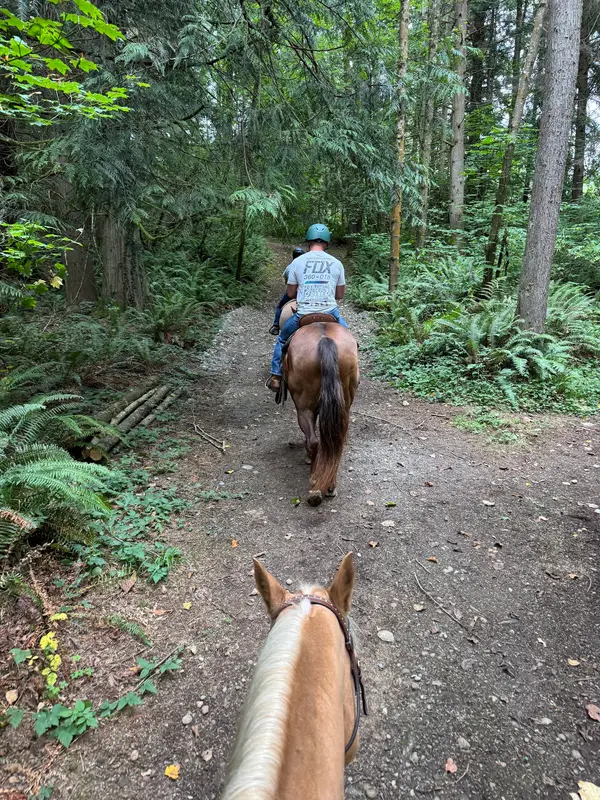
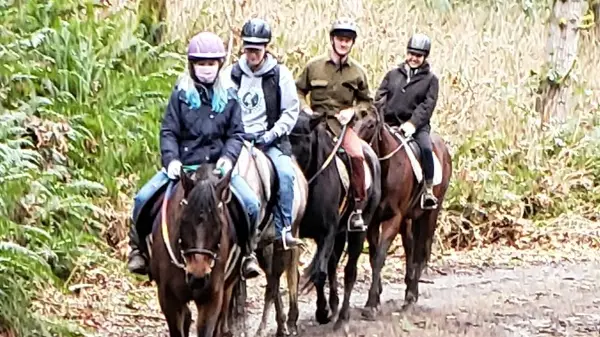
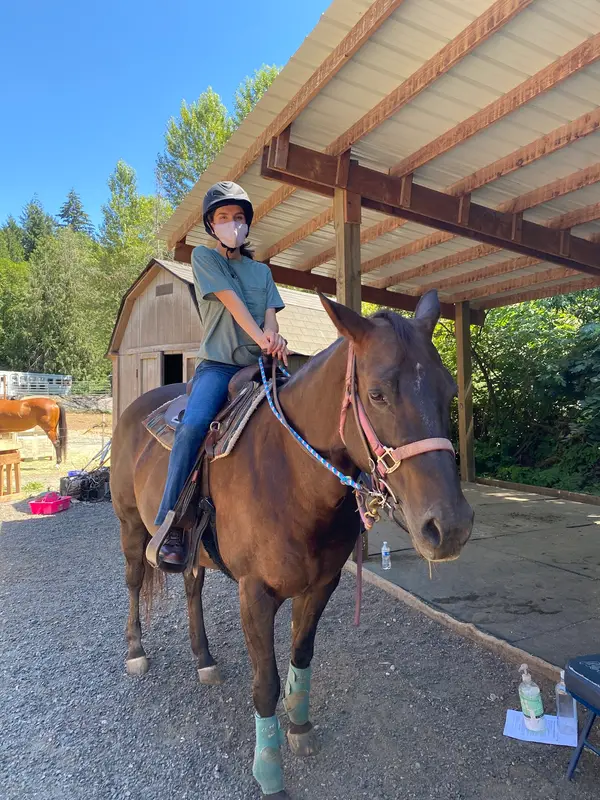
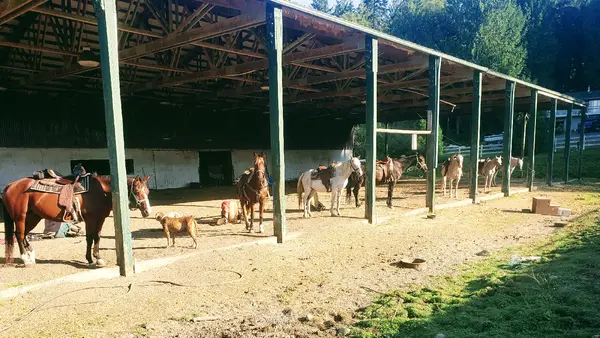
Ride 23 stables across Washington. Maps, hours, contact info, photos, and verified operator profiles, all in one place.
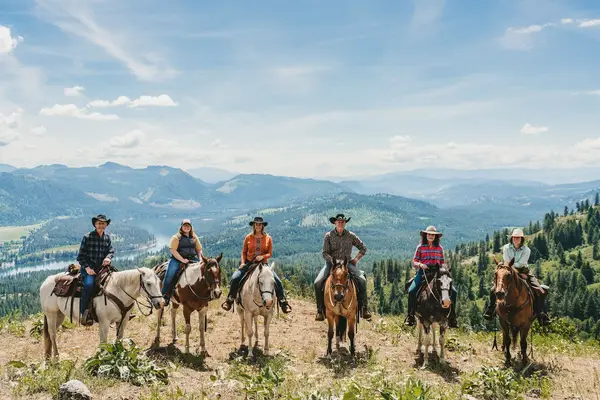
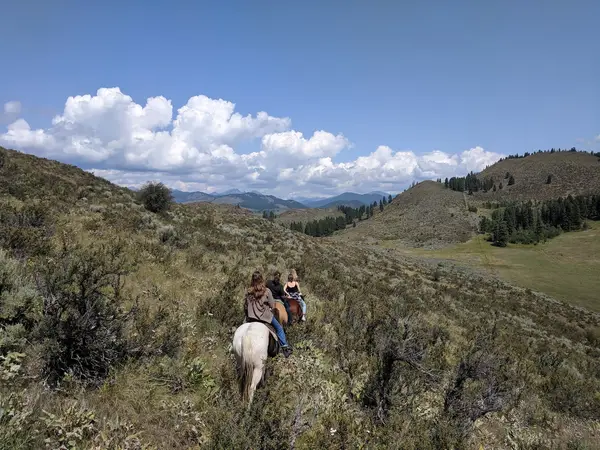
North Cascades, the Olympics, and 3,000 miles of saltwater coastline.
About Washington
Best time to go
When to ride in Washington
June through October.
- March–May and September–October: firm footing, mild air, green country
- Coastal trails stay rideable most of the year thanks to mild temperatures
- Winter rain can close dirt trails for days, and covered arenas bridge the gap
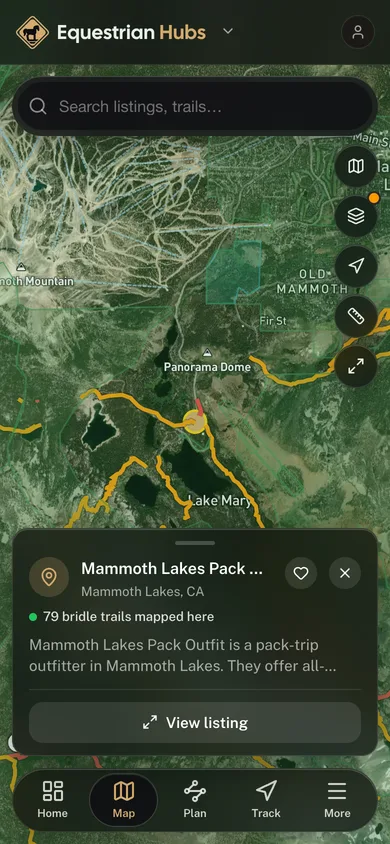
23 on the map
Tap a pin to open its profile.
Quick facts
- Bridle trails mapped
- 537
- Stables listed
- 23
- Best season
- June through October
All listings
23 stables
across Washington


Plan your trip
Plan your trip to Washington
Equine Activity Liability Statute
Washington State has an equine activity liability statute, RCW 4.24.540, which states that an equine activity sponsor, participant, or equine professional is not liable for an injury to or the death of a participant resulting from the inherent risks of equine activities. Operators are typically required to post warning signs.
Riding Season and Weather
The riding season varies significantly by region. Western Washington generally offers year-round riding with rain gear, while mountain and Eastern Washington trails are best from late spring through fall due to snow in winter and early spring. Always check local weather and trail conditions.
Public Land Access for Horseback Riding
Horseback riding is permitted on many public lands, including designated trails in Washington State Parks, Department of Natural Resources (DNR) lands, National Forests, and Bureau of Land Management (BLM) areas. Always verify specific trail regulations, permit requirements, and seasonal closures before riding.
Discipline and Availability
Both English and Western riding disciplines are popular. Western Washington, particularly around urban centers, has a strong presence of English riding academies. Eastern Washington and rural areas tend to have more Western riding, guest ranches, and pack trip operations. Lessons, camps, and guided trail rides are widely available across the state.
Boarding and Training Norms
For horse owners seeking boarding or training, a current Coggins test (EIA negative) is often required by facilities, especially for horses traveling from out of state. While Washington does not have a universal helmet law for adults, many riding academies and barns require helmets for all riders, and it is strongly recommended for safety.
Confirm current requirements with the state agency before your trip. Rules and fees change every season.
Equine Health Certificate and Coggins Test
Horses entering Washington from other states must have a current Certificate of Veterinary Inspection (CVI), also known as a health certificate, issued within 30 days. A negative Coggins test (EIA) conducted within the last 12 months is also required for interstate travel and by many boarding and training facilities within the state. Verify specific requirements with your destination facility and the Washington State Department of Agriculture.
Discover Pass for State Recreation Lands
A Discover Pass is required for vehicle access to Washington's state parks, water access areas, and lands managed by the Department of Natural Resources (DNR) and Washington Department of Fish and Wildlife (WDFW). This applies to parking at trailheads for recreational horseback riding on these state lands. Commercial operators may have separate permit requirements.
Washington State ParksCommercial Guide and Outfitter Permits
Equestrian operations conducting commercial activities, such as guided trail rides or pack trips, on federal lands (e.g., National Forests, BLM lands) or state lands often require special use permits or outfitter/guide licenses from the managing agency. Operators must comply with specific agency regulations, insurance requirements, and operating plans. Visitors should confirm their chosen outfitter is properly licensed.
Equine Activity Warning Signs
Washington's equine activity liability statute (RCW 4.24.540) requires equine activity sponsors and professionals to post warning signs in a clearly visible location informing participants of the inherent risks of equine activities. While not a direct regulation for visitors, it is a key operational requirement for facilities and a common sight at equestrian venues.
- 01
Define Your Equestrian Goals
A guided trail ride, a lesson program, a multi-day pack trip, and boarding for your own horse point at four different kinds of operation, and often different sides of the mountains. Pick your target first.
- 02
Research Regions and Operators
Decide whether you want rainforest, alpine country, or open steppe, then work through the guest ranches, stables, and outfitters in that region. Compare offerings, facilities, and reviews before you commit.
- 03
Verify Requirements and Availability
Call or email operators directly for availability, pricing, and the fine print: rider weight limits, experience requirements, and horse health paperwork like Coggins tests for boarding. Book well ahead for peak season.
- 04
Prepare for Washington's Weather
The forecast in Forks and the forecast in the Palouse have nothing to do with each other. Pack layers and rain gear in every season, and check the local forecast for wherever you're actually riding.
- 05
Understand Public Land Access
Riding your own horse on public land means sorting permits first (a Discover Pass for state lands, plus whatever the federal land manager requires), and checking trail regulations and closures. Ride Leave No Trace throughout.
01Are helmets required for riding in Washington?
02Do I need a Coggins test for my horse in Washington?
03Can I ride my own horse on public trails in Washington?
04What's the best time of year for trail riding in Washington?
05Are there options for English riding lessons in Washington?
06What types of equestrian accommodations are available for visitors?
Free tools
Your free outdoor toolkit

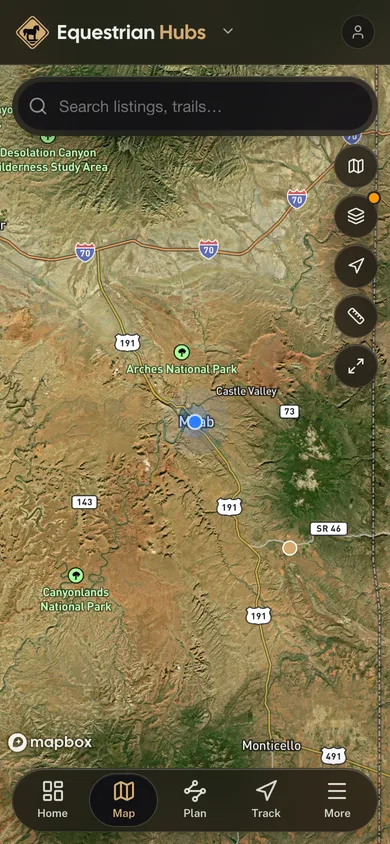
Everything Map
Listings, trails, spots, clubs and public land on a single full-screen map. Switch layers on and off, then tap any point for the details.
Open Everything MapTrail Explorer
Browse a community map of named trails with distance, difficulty, and where each one starts.
Open Trail ExplorerRoute Planner
Drop stops on a map and watch distance and drive time add up. Export a GPX or share the link.
Open Route PlannerRiding Clubs
Browse local clubs with meeting info and how to join, or start your own for free.
Open Riding ClubsPhoto ID
Point your camera at whatever you found and get a structured identification. No signup.
Open Photo IDGear Checklists
Printable, save-as-you-go packing lists. Tick items off and pull them up on your phone.
Open Gear Checklists