Choosing a riding stable for your child is more than finding someone with horses nearby. It's a decision that shapes your child's safety, confidence, and relationship with horses for years to come. The landscape of riding instruction varies wildly, from backyard operations to professional facilities, and parents understandably feel anxious about getting it right. The wrong fit might leave your child discouraged after two lessons; the right one sparks a lifelong passion. This guide cuts through the marketing and helps you evaluate stables on the criteria that actually matter: instructor quality, physical safety, program structure, and whether the teaching philosophy aligns with your child's age and temperament. We'll walk through what to inspect, what to ask, and which red flags warrant walking away.
Safety Standards and Facility Inspection
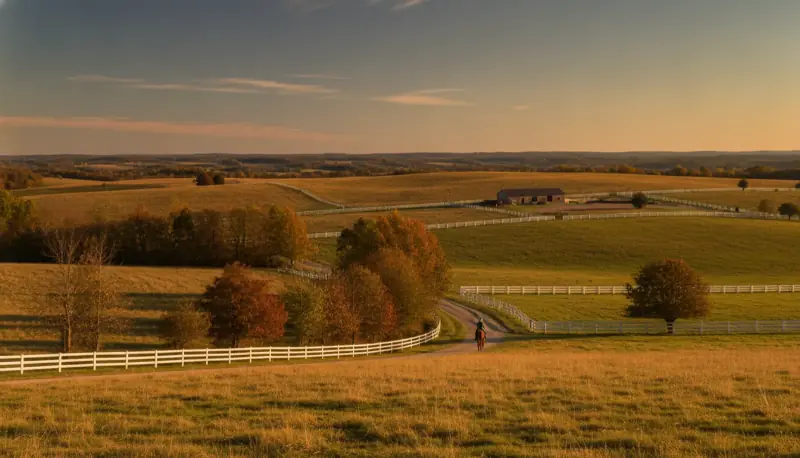
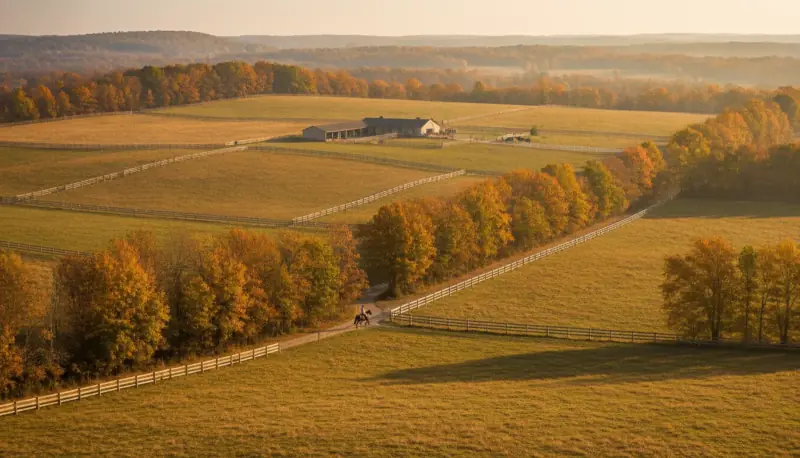
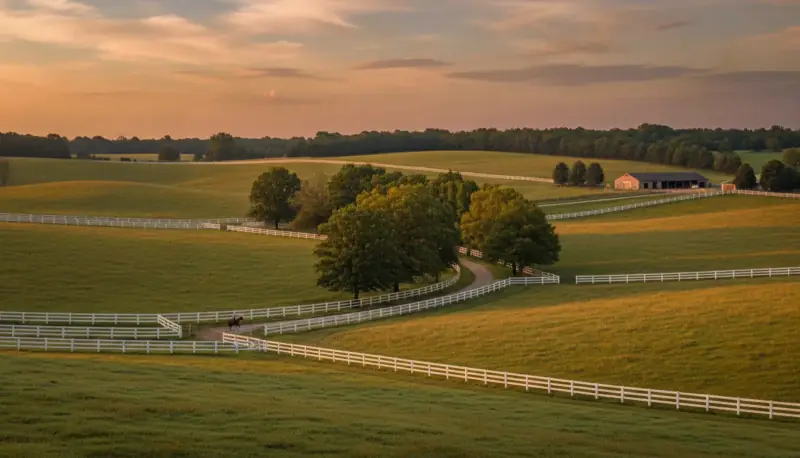
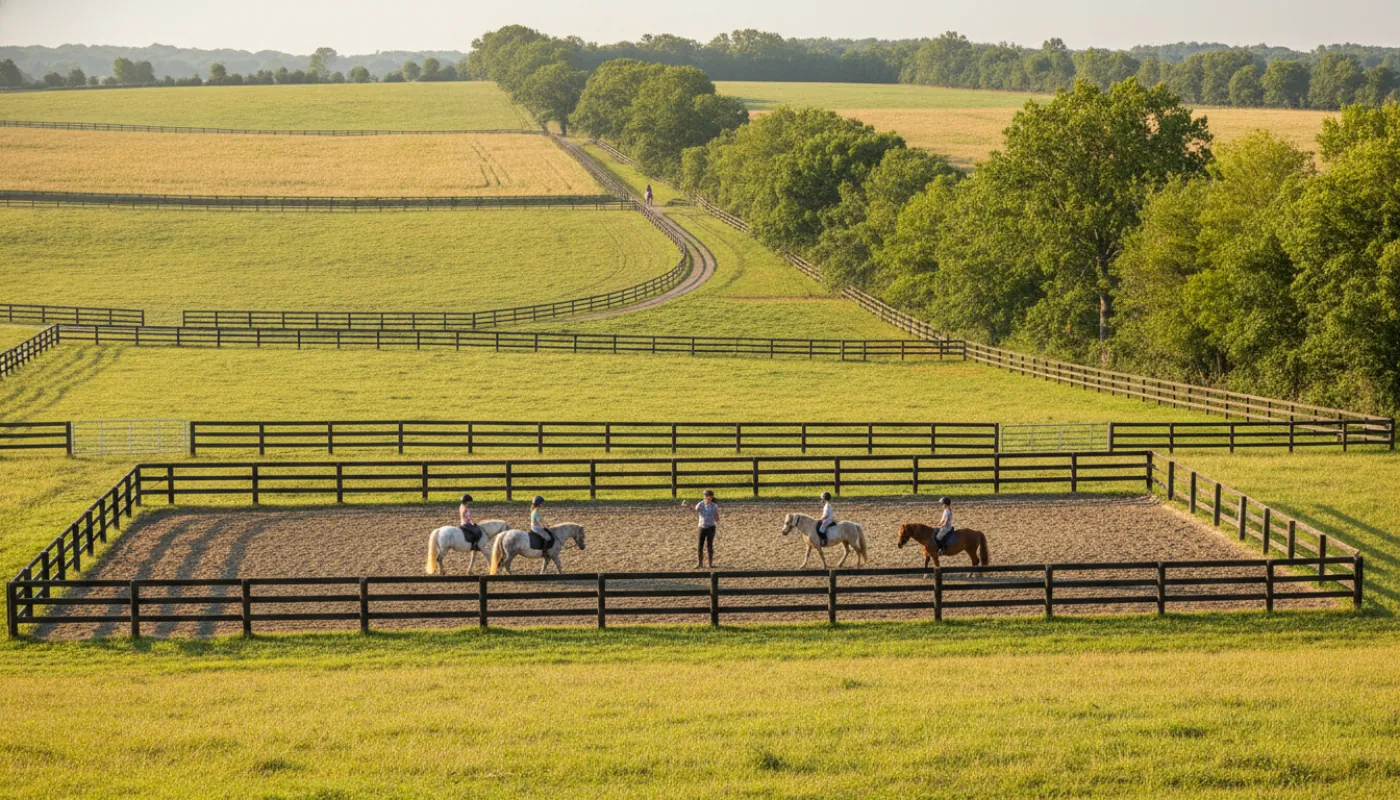
Before your child sits on a horse, the physical environment should pass a basic safety audit. Walk the perimeter of the facility and look for secure fencing, not rotted posts, holes, or gaps where a horse could escape or a child could reach under. The arena or riding area should have a surface appropriate to the discipline: arena footing should be well-maintained and cushioned (not hard-packed or waterlogged), and outdoor trails should be clearly marked and free of hazards like sharp stones or debris that could cause a fall.
Supervision and facility design matter equally. Are there multiple instructors or just one person managing an entire lesson? A qualified program maintains a ratio where the instructor can see and correct every student. Check whether the stable keeps emergency equipment on hand: a first-aid kit, a phone, and someone trained in basic first aid. Ask about their riding helmet policy and whether they provide certified helmets that meet current safety standards (typically ASTM or SEI certification). Many serious head injuries are preventable with proper equipment. Observe a lesson in progress if allowed. A safe facility feels organized, not chaotic: horses are calm, instructors are engaged, and corrections happen immediately when a student is doing something unsafe.
Instructor Qualifications and Teaching Philosophy
Not every good rider makes a good teacher, especially for children. Ask about instructor certifications, organizations like the American Riding Instructors Association (ARIA) offer formal instructor credentials, though not all excellent teachers carry them. What matters more is how they approach teaching: Do they explain why a position matters rather than just barking corrections? Can they break down a skill into manageable steps for a nervous or uncoordinated child?
A teaching philosophy worth supporting emphasizes respect for the horse, incremental progress, and building confidence over pushing hard. During a trial lesson, watch how the instructor handles mistakes. Do they correct with patience and clarity, or does frustration creep in? Ask about their experience teaching children specifically, teaching a 6-year-old is fundamentally different from coaching a 16-year-old toward competition. A stable should articulate what progression looks like: "Your child will learn basic mounting and walk first, then trotting and balance, then cantering" and so on. This roadmap helps you understand whether your child is advancing appropriately or stuck in a loop. Ask for references, other parents are the most honest reviewers of whether a program actually delivers.
Lesson Structure and Age-Appropriate Programs
A well-designed program matches lesson content to age and ability. Young children (5–8) benefit from shorter lessons (30–45 minutes max) with heavy emphasis on horsemanship basics: grooming, handling, mounting safely. Older children and teens can absorb longer lessons and more complex riding skills. Ask whether the stable offers group lessons, private lessons, or both. Group lessons are more affordable and allow peer learning, but a shy or anxious child might thrive better in a private setting to build confidence before joining a group.
Different disciplines (Western, English, dressage, jumping), require different instruction. If you're uncertain what your child wants to pursue, many stables offer beginner-friendly programs that introduce the basics before specializing. A clear curriculum is a good sign. The stable should describe what skills your child will learn in the first month, second month, and beyond. Ask what happens when a child advances: are there intermediate and advanced programs, or do they get stuck repeating beginner lessons? Also clarify the horse situation. Will your child ride the same horse each lesson (which builds a relationship) or rotate between horses (which develops adaptability but feels less personal)? Both approaches work; it's about knowing what to expect.
Trial Lessons and the Red-Flag Audit
Before committing to a package of lessons, do at least one trial lesson. Watch your child during and after. Are they excited or anxious? Did the instructor address their questions and concerns? Did the instructor adapt the lesson if your child was struggling or scared? A good trial lesson isn't about being perfect, it's about seeing how problems are handled. Red flags include: the instructor is too busy to answer questions, the horse seems nervous or reactive (not a safe match for a beginner), the facility is visibly unkempt or smells of strong ammonia (sign of poor management), or your child leaves feeling discouraged.
Another red flag is pressure to buy expensive gear immediately. Beginning riders need a helmet (non-negotiable) and appropriate clothing, but a stable shouldn't push custom saddles or brand-new equipment on day one. Similarly, if they pressure you into a long-term contract before you've confirmed the fit, that's a sign they're more interested in locking in revenue than supporting your child's journey. Trust your gut. If the owner is dismissive when you ask questions or makes you feel stupid for asking, that's data about how they treat customers, and potentially students. The right stable will welcome your questions, provide clear answers, and make you feel like they genuinely want your child to succeed and love riding.
Questions to Ask and the Documentation Check
Before enrolling, sit down with the stable owner or manager and ask these specific questions: What is your safety policy and liability insurance coverage? A reputable stable carries liability insurance and can show proof. What is your cancellation or makeup lesson policy? What happens if a horse is injured and can't work for a few weeks, who covers the cost? Do you have an incident report process, and can I see a sample? Ask about their standing with any breed or discipline organizations, and confirm they're not in any public disputes with former riders or families.
Request documentation. A legitimate operation should provide a student handbook or safety agreement for you to sign. This isn't bureaucracy, it's clarity. It explains expectations, policies, and what happens in an emergency. Ask about their horse care practices: feed schedule, hoof care frequency (typically every 6–8 weeks), veterinary care, and dental health. Well-cared-for horses are happier and more forgiving teachers. Ask how many active students the facility has, how many instructors work there, and whether they're accredited by any equestrian organization. None of these questions are rude. A strong stable answers all of them readily and volunteers more information unprompted. If an owner hesitates, acts evasive, or says "we don't get into all that," that's a clear signal to look elsewhere. Your child's safety and learning experience are the priority.