Stables & Ranches · Nebraska
Stables & Ranches in Nebraska
Ride 13 stables across Nebraska. Maps, hours, contact info, photos, and verified operator profiles, all in one place.
Sandhills, the Platte River flyway, and the Missouri breaks.
About Nebraska
Best time to go
When to ride in Nebraska
April through October.
- May–June and September–October: the firmest footing and most comfortable temps
- Spring thaw leaves trails muddy, so wait for the ground to firm before heading out
- Winter is indoor season: lessons, dressage, and therapeutic programs peak
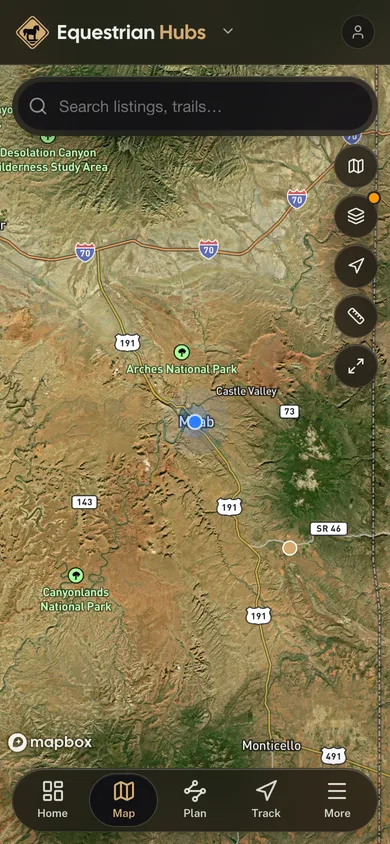
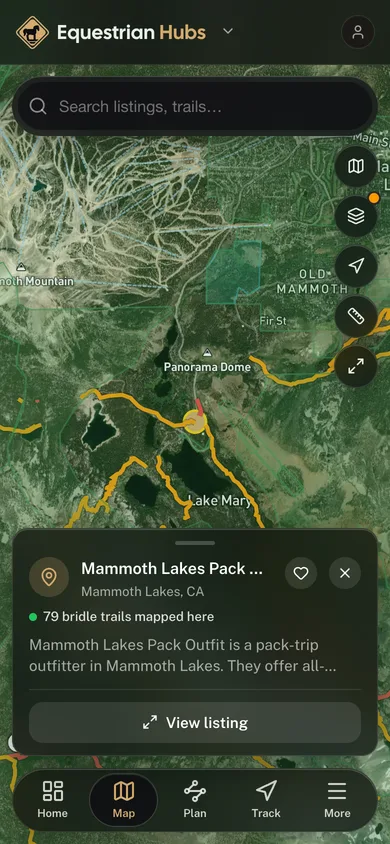
13 on the map
Tap a pin to open its profile.
Quick facts
- Bridle trails mapped
- 4
- Stables listed
- 13
- Best season
- April through October
Bridle Trails
Bridle trails across Nebraska
Tap a trail to trace its route on the map, then open it for the full profile.
All listings
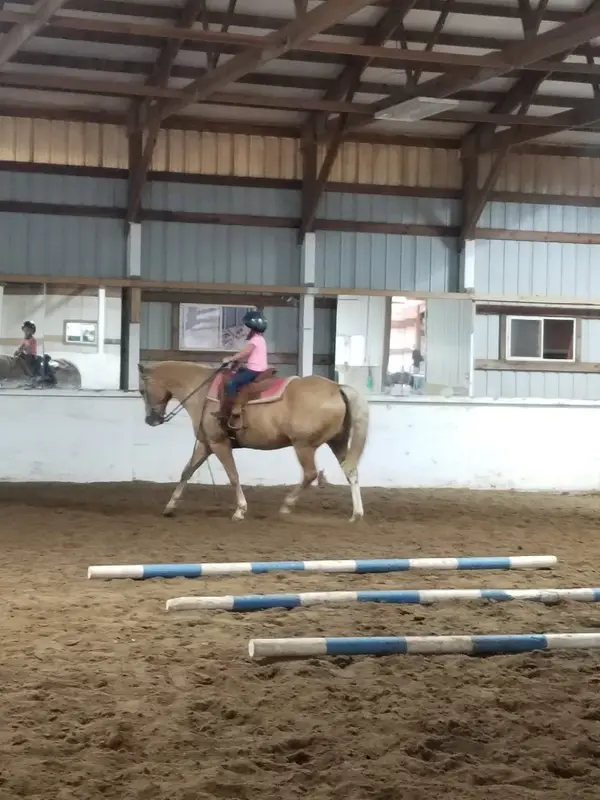
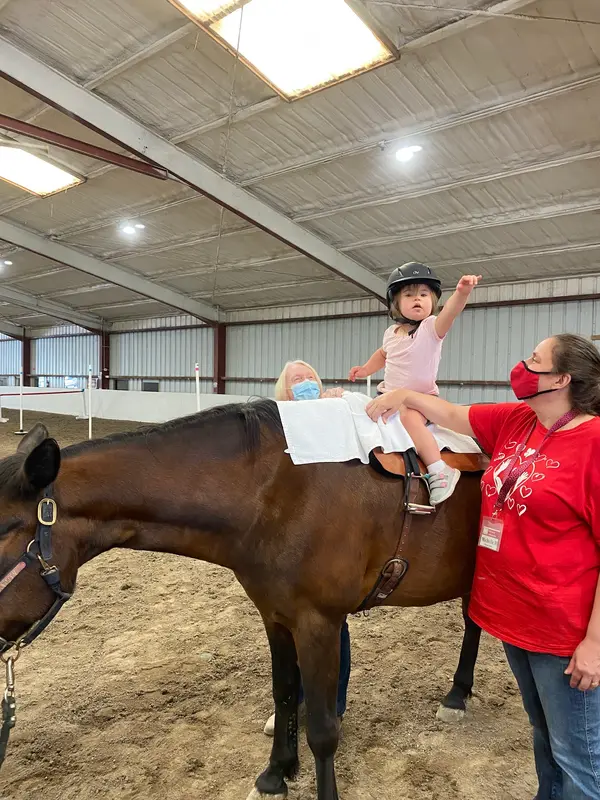
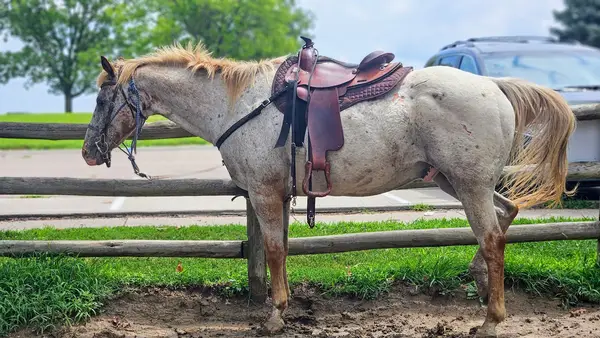
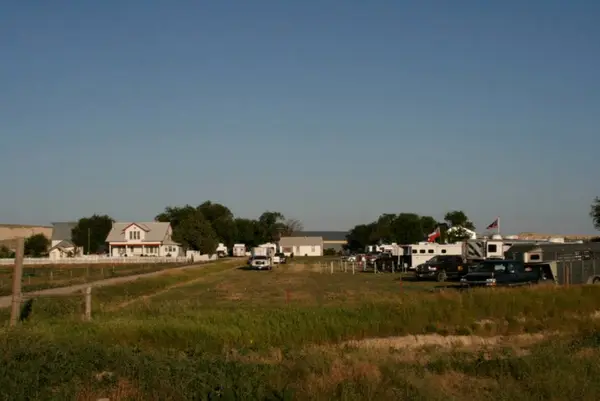
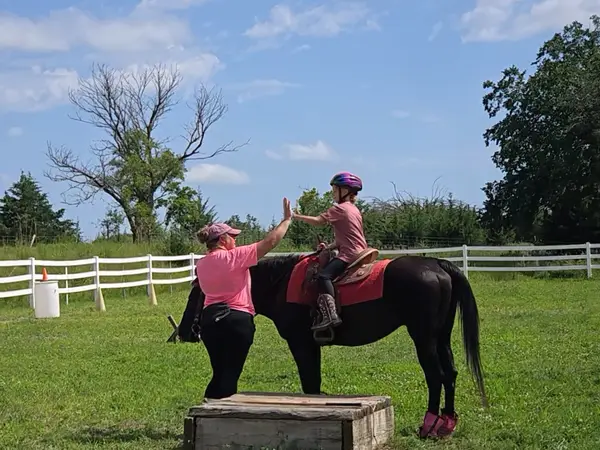
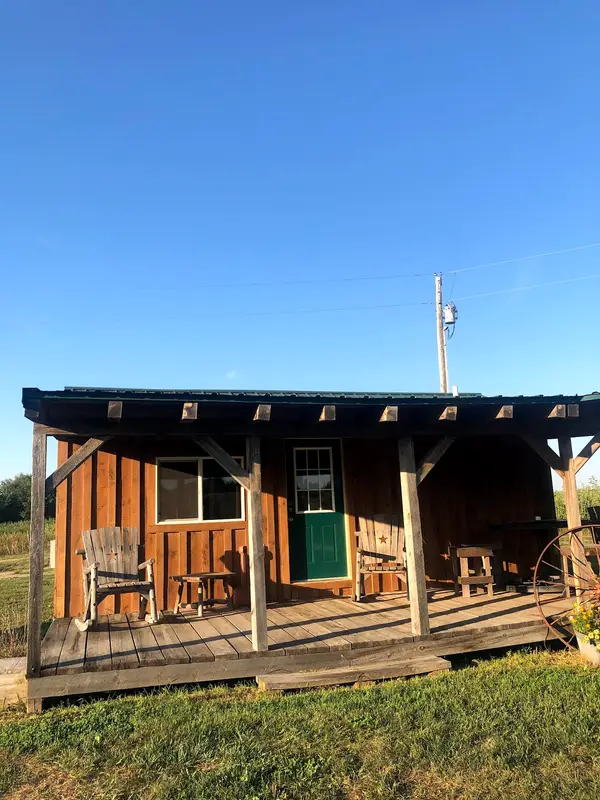
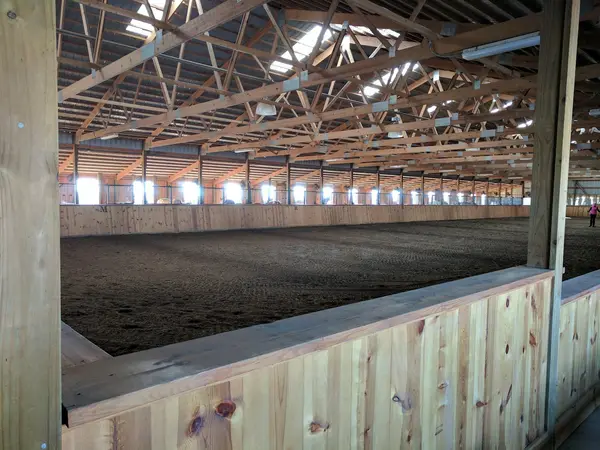
13 stables
across Nebraska
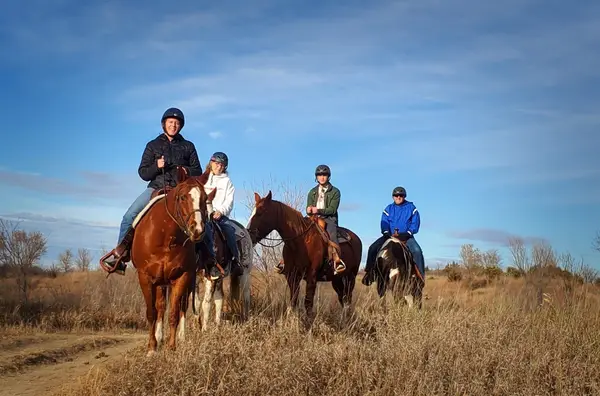
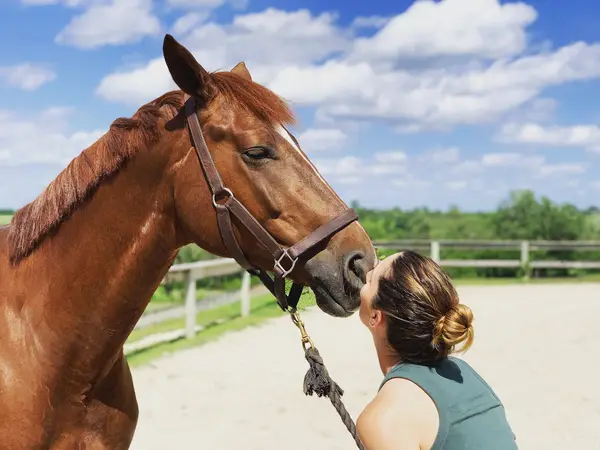
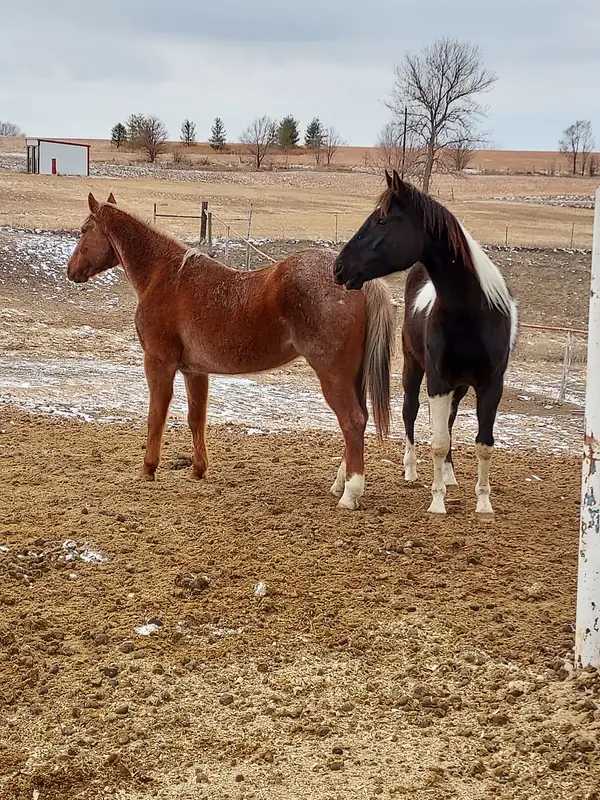
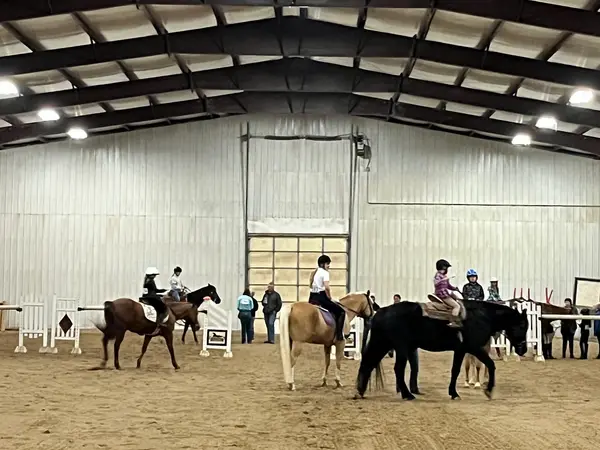
Plan your trip
Plan your trip to Nebraska
Equine Activity Liability Act
Nebraska has an Equine Activity Liability Act (Neb. Rev. Stat. § 25-21,249 to 25-21,253) that provides immunity from liability for equine activity sponsors and professionals for injuries resulting from the inherent risks of equine activities. Operators are typically required to post warning signs.
Riding Season and Weather
The primary riding season extends from late spring through early fall. Summers can be hot, especially in July and August, requiring hydration and awareness of heat exhaustion for both riders and horses. Winters are cold with snow, limiting outdoor trail riding to indoor facilities.
Public Trail Access
Horseback riding is permitted on designated trails within Nebraska's State Parks, State Recreation Areas, and the Nebraska National Forests. Riders should verify specific trail regulations and permit requirements with the Nebraska Game and Parks Commission or the U.S. Forest Service for federal lands.
Disciplines and Availability
Western riding disciplines, reflecting the state's ranching heritage, are prevalent across Nebraska, particularly in rural areas and at guest ranches. English riding academies and trainers are more commonly found near larger metropolitan areas like Omaha and Lincoln, offering lessons, camps, and competitive opportunities.
Boarding and Health Requirements
For horse owners seeking boarding or bringing horses to events, a current negative Coggins test (Equine Infectious Anemia) is universally required. While helmets are not legally mandated for all riders in Nebraska, most riding academies and guided trail operations require or strongly recommend helmets, especially for minors.
Confirm current requirements with the state agency before your trip. Rules and fees change every season.
Coggins Test (Equine Infectious Anemia)
All equines entering Nebraska, participating in events, or boarding at facilities must have a current negative Coggins test for Equine Infectious Anemia (EIA). This test must have been conducted within the past 12 months.
Certificate of Veterinary Inspection (CVI)
Equines traveling into Nebraska from another state must be accompanied by a Certificate of Veterinary Inspection (CVI), also known as a health certificate. This document, issued by an accredited veterinarian, certifies that the animal has been inspected and found free of contagious diseases.
Equine Activity Liability Act Signage
Under Nebraska state law, equine activity sponsors and professionals are generally required to post specific warning signs at their facilities. These signs inform participants of the inherent risks associated with equine activities, as outlined in the Equine Activity Liability Act.
Brand Inspection (Western Nebraska)
In certain counties of western Nebraska, brand inspection may be required for the movement or sale of horses. This regulation is primarily to prevent livestock theft and applies to specific designated brand inspection areas. Verify applicability with the Nebraska Brand Committee.
- 01
Define Your Equestrian Goals
Guest ranch stay, guided trail rides, lessons, or a boarding solution, settle that first. Each goal points to a different kind of operation, and often a different part of the state.
- 02
Research Operators and Locations
Compare guest ranches, stables, and academies on what they actually offer: facilities, programs, and geography. Open-range riding lives in the Sandhills; lessons and training cluster near the cities.
- 03
Verify Health and Safety Requirements
Traveling with your own horse means a current negative Coggins test and a Certificate of Veterinary Inspection. While you're at it, ask about helmet policy for guided rides and lessons, especially for kids.
- 04
Book in Advance
The good guest ranches, trail outfits, and lesson programs fill up early in summer and fall. Reserve well ahead if your dates aren't flexible.
- 05
Prepare for Nebraska Weather
Pack for a state that changes its mind. Summers run hot and humid, spring and fall swing without warning, layer up, and put rain gear in the bag for any trail ride.
01Is a Coggins test required to bring my horse to Nebraska?
02Are helmets required for trail riding or lessons in Nebraska?
03What is the best time of year for equestrian activities in Nebraska?
04Can I ride my own horse on public lands in Nebraska?
05What kind of equestrian operations can I expect to find in Nebraska?
06Are there specific regulations for out-of-state horses attending events?
Free tools
Your free outdoor toolkit
Everything Map
Listings, trails, spots, clubs and public land on a single full-screen map. Switch layers on and off, then tap any point for the details.
Open Everything MapTrail Explorer
Browse a community map of named trails with distance, difficulty, and where each one starts.
Open Trail ExplorerRoute Planner
Drop stops on a map and watch distance and drive time add up. Export a GPX or share the link.
Open Route PlannerRiding Clubs
Browse local clubs with meeting info and how to join, or start your own for free.
Open Riding ClubsPhoto ID
Point your camera at whatever you found and get a structured identification. No signup.
Open Photo IDGear Checklists
Printable, save-as-you-go packing lists. Tick items off and pull them up on your phone.
Open Gear Checklists
Keep exploring