Stables & Ranches · Alaska
Stables & Ranches in Alaska
Ride 14 stables across Alaska. Maps, hours, contact info, photos, and verified operator profiles, all in one place.
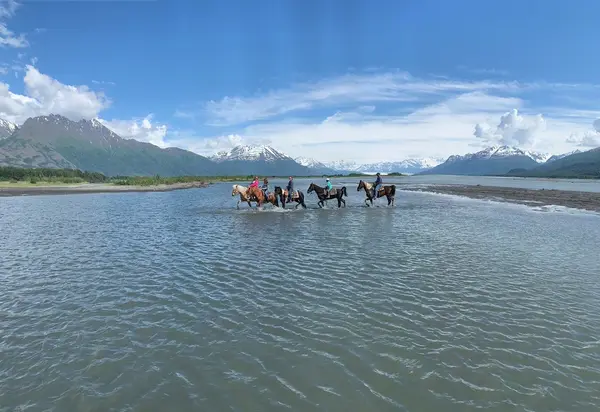
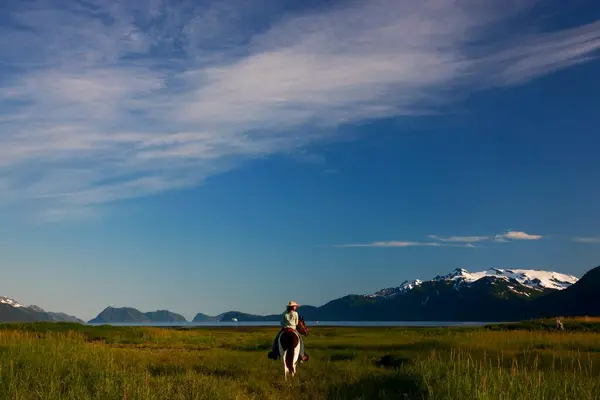
America's last great frontier. Fjords, glaciers, and 17 of the 20 highest peaks in the country.
About Alaska
Best time to go
When to ride in Alaska
June through early September. Long days and an accessible interior.
- June–September: the dude-ranch and pack-trip window the whole region waits for
- Book ranch stays months ahead, peak-summer weeks sell out
- Snow keeps high trails closed into late spring; lower valleys open first
13 on the map
Tap a pin to open its profile.
Quick facts
- Bridle trails mapped
- 6
- Stables listed
- 14
- Best season
- June through early September
Bridle Trails
Bridle trails across Alaska
Tap a trail to trace its route on the map, then open it for the full profile.
All listings
14 stables
across Alaska
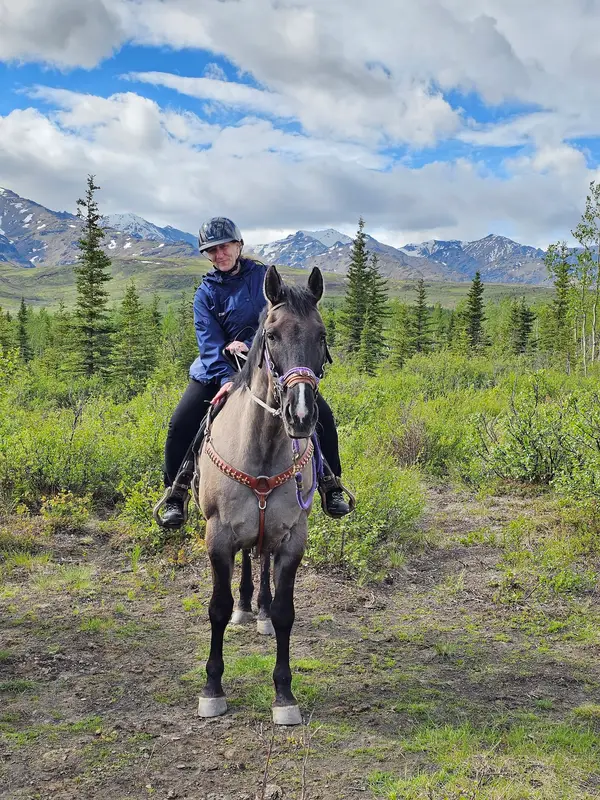
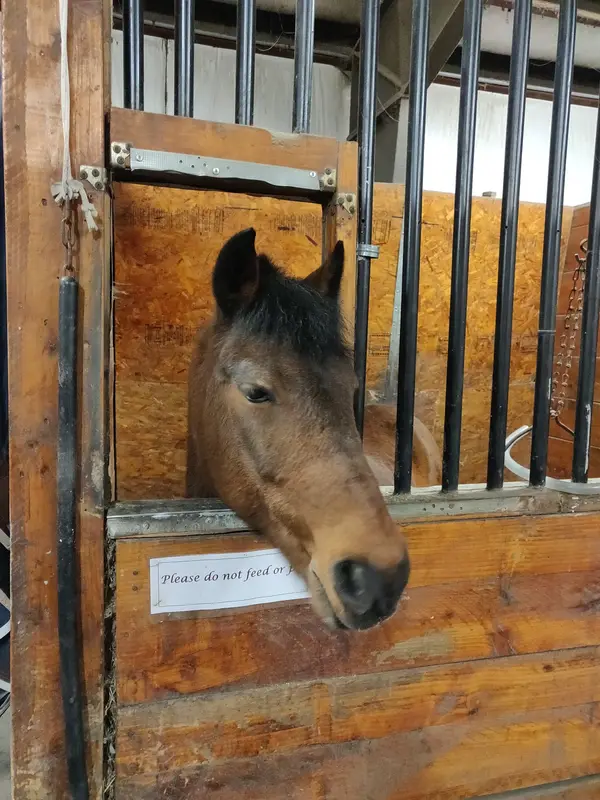
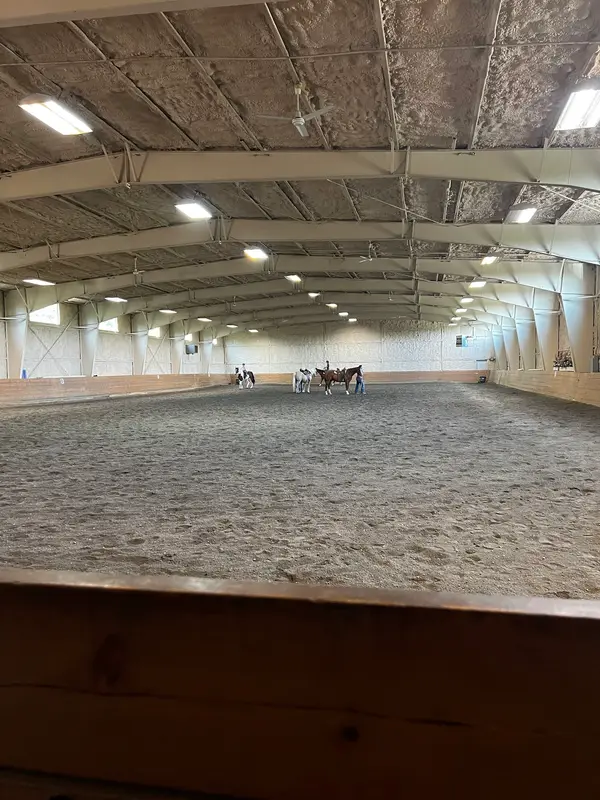
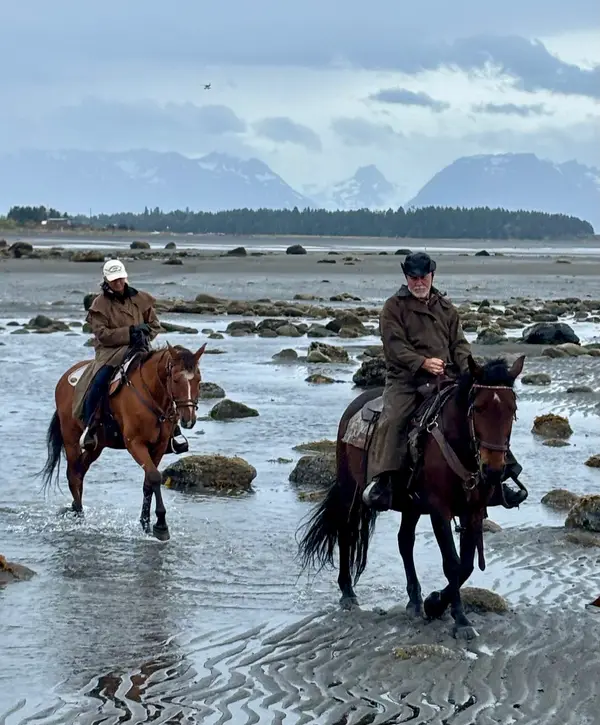


Plan your trip
Plan your trip to Alaska
Equine Activity Liability Statute
Alaska Statute AS 09.65.290 provides immunity from liability for equine activities, recognizing the inherent risks involved. This statute protects equine activity sponsors, professionals, and others from liability for injuries resulting from these inherent risks. Operators typically require participants to sign waivers and often post warning signs regarding these inherent risks.
Riding Season and Weather
The primary riding season for outdoor trails generally runs from late May through early October. Weather in Alaska can change rapidly, even in summer, so riders should be prepared for varying conditions, including rain, cooler temperatures, and insects. Always consult with your outfitter or stable regarding appropriate gear.
Public Land Access for Horseback Riding
Horseback riding is permitted on many public lands in Alaska, including certain National Forests, state parks, and Bureau of Land Management (BLM) areas. However, specific regulations, trail conditions, and permit requirements can vary by location and land management agency. Always verify access rules and Leave No Trace principles before riding on public trails.
Disciplines and Availability
Western riding is prevalent for trail rides, guest ranch activities, and pack trips, aligning with the rugged terrain and ranching heritage. English riding disciplines, including dressage and show jumping, are primarily found in riding academies and training barns located in more populated areas like the Mat-Su Valley and Anchorage. Lessons, camps, and guided trail rides are widely available during the summer months.
Boarding and Training Norms
For horses entering Alaska, a current Coggins test (EIA negative) and a health certificate from a licensed veterinarian are typically required. Helmet use is strongly recommended for all riders and often mandatory for minors at riding academies and many stables. Boarding and training facilities uphold high standards of care, adapting to Alaska's climate.
Confirm current requirements with the state agency before your trip. Rules and fees change every season.
Alaska Business License
Any individual or entity conducting commercial equestrian operations in Alaska, such as trail riding stables, guest ranches, or pack trip outfitters, must obtain an Alaska Business License. This ensures compliance with state business regulations and allows legal operation within the state.
Alaska Department of Commerce, Community, and Economic DevelopmentAnimal Import Requirements
Horses being brought into Alaska from outside the state must meet specific import requirements, including a valid Certificate of Veterinary Inspection (health certificate) issued within 30 days of entry and a negative Coggins test for Equine Infectious Anemia (EIA) within 12 months. Additional requirements may apply; verify with the state veterinarian's office.
Alaska Department of Environmental ConservationCommercial Use Authorizations/Permits
Equestrian outfitters conducting commercial activities on federal lands (e.g., National Forests, BLM lands, National Parks where permitted) or state lands may require special use permits or Commercial Use Authorizations (CUAs). These permits regulate activities to ensure resource protection and public safety. Operators must apply for and adhere to the terms of these authorizations.
- 01
1. Define Your Equestrian Experience
A one-hour trail ride, serious lessons, a week-long pack trip, or boarding for your own horse, each points to a different kind of operation, so name what you want before you start searching.
- 02
2. Research Operators and Locations
Look hard at the stables, guest ranches, and outfitters in the region you're targeting: what they actually offer, how they keep their horses, how they handle safety. The Mat-Su Valley and the Anchorage area carry the deepest bench of options.
- 03
3. Book in Advance, Especially for Summer
The Alaskan summer is short and everyone knows it. Lock in trail rides, lessons, and especially pack trips early, the best dates and the specialized trips go first.
- 04
4. Understand Travel and Logistics
Remote trailheads take time to reach. Sort out gear (layers, insect repellent), waivers, and, if you're hauling your own horse, the health certificate and Coggins paperwork before you leave home.
- 05
5. Prepare for Alaskan Conditions
Weather turns fast here, wildlife is part of the deal, and the terrain can be rough. Tell your operator honestly how much saddle time you have and what worries you, that conversation is what keeps the trip safe and good.
01What is the best time of year for horseback riding in Alaska?
02What kind of riding experience is available for beginners?
03Can I bring my own horse to Alaska?
04Are helmets required for horseback riding in Alaska?
05What should I pack for a horseback riding trip in Alaska?
06Are there opportunities for advanced riders or specialized disciplines?
Free tools
Your free outdoor toolkit

Everything Map
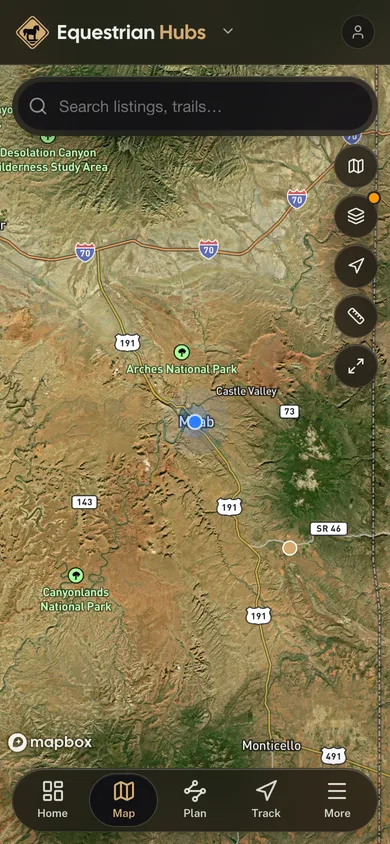
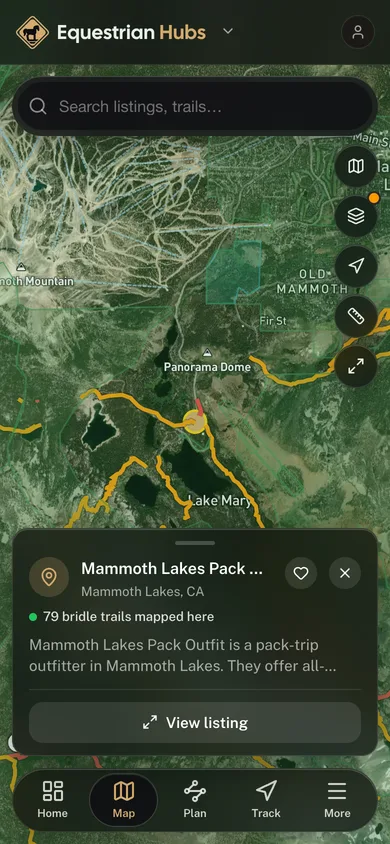
Listings, trails, spots, clubs and public land on a single full-screen map. Switch layers on and off, then tap any point for the details.
Open Everything MapTrail Explorer
Browse a community map of named trails with distance, difficulty, and where each one starts.
Open Trail ExplorerRoute Planner
Drop stops on a map and watch distance and drive time add up. Export a GPX or share the link.
Open Route PlannerRiding Clubs
Browse local clubs with meeting info and how to join, or start your own for free.
Open Riding ClubsPhoto ID
Point your camera at whatever you found and get a structured identification. No signup.
Open Photo IDGear Checklists
Printable, save-as-you-go packing lists. Tick items off and pull them up on your phone.
Open Gear Checklists