Stables & Ranches · Colorado
Stables & Ranches in Colorado
Ride 30 stables across Colorado. Maps, hours, contact info, photos, and verified operator profiles, all in one place.
58 fourteeners, alpine basins, and the headwaters of seven major rivers.
About Colorado
Best time to go
When to ride in Colorado
June through September for high country; year-round for resorts.
- June–September: the dude-ranch and pack-trip window the whole region waits for
- Book ranch stays months ahead, peak-summer weeks sell out
- Snow keeps high trails closed into late spring; lower valleys open first
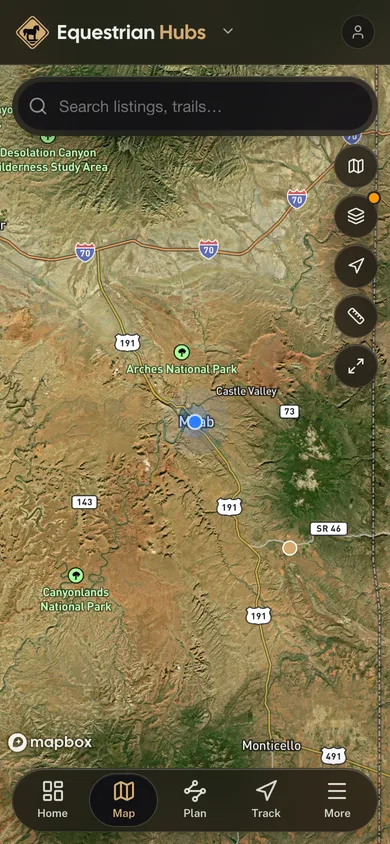
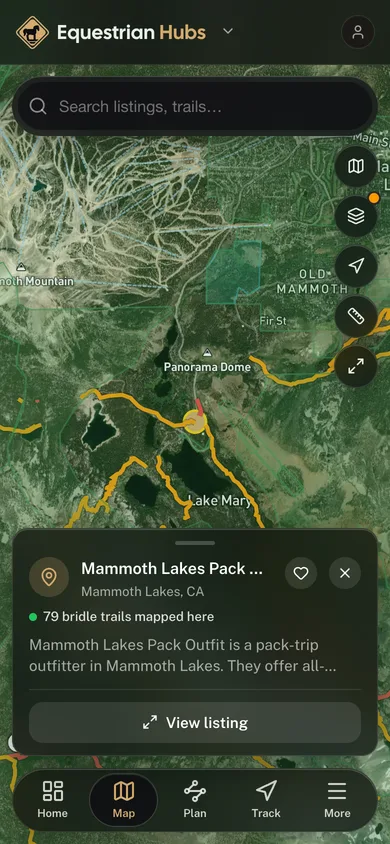
30 on the map
Tap a pin to open its profile.
Quick facts
- Bridle trails mapped
- 1,642
- Stables listed
- 30
- Best season
- June through September
All listings
30 stables
across Colorado
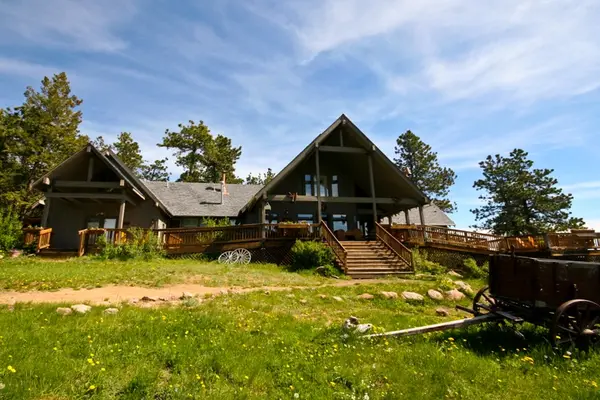
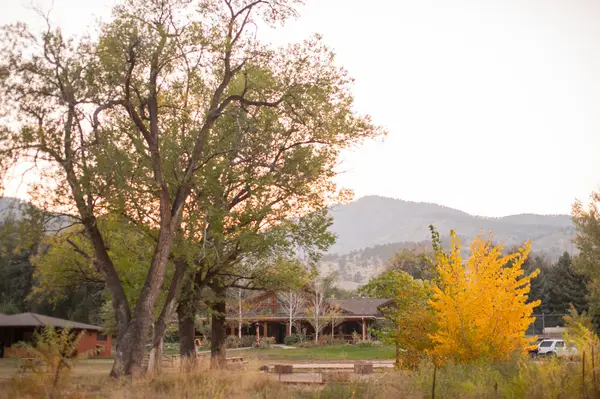
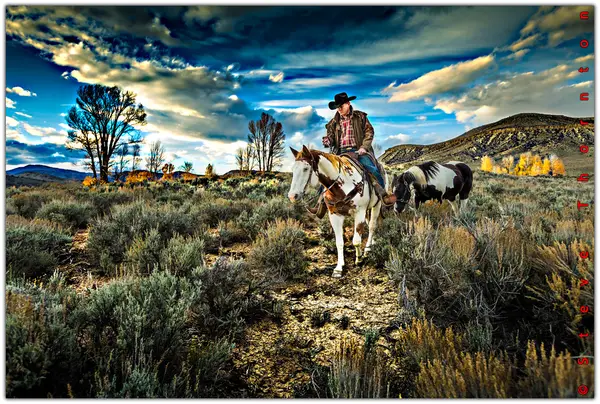
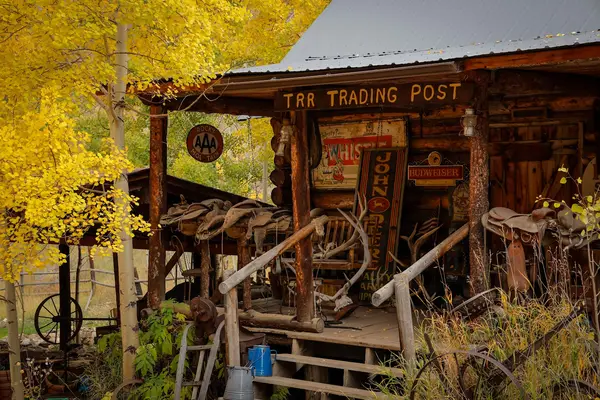
Plan your trip
Plan your trip to Colorado
Equine Inherent Risk Act
Colorado has an Equine Inherent Risk Act (Colorado Revised Statutes § 13-21-119) which limits the liability of equine activity sponsors or professionals for injuries resulting from the inherent risks of equine activities. Operators are typically required to post warning signs.
Riding Season and Weather Windows
The primary riding season for high-country trails and pack trips generally runs from late May or early June through September or early October, depending on snowpack and early frosts. Lower elevation trails often open earlier and close later. Summer afternoons in the mountains can bring thunderstorms, so plan accordingly. Always check local weather forecasts and trail conditions.
Public Land Access
Horseback riding is permitted on many trails within Colorado's National Forests, BLM lands, and State Parks. However, specific wilderness areas, designated trails, or sensitive ecosystems may have restrictions. Always verify current regulations with the managing agency (e.g., US Forest Service, BLM, Colorado Parks and Wildlife) for the specific area you plan to visit.
Disciplines and Availability
Western riding disciplines are predominant across Colorado, especially in rural areas and at guest ranches and trail stables. English disciplines, including dressage and jumping, are popular in the Front Range urban and suburban communities. Lessons, camps, and guided trail rides are widely available throughout the state, catering to all skill levels and age groups.
Boarding and Training Norms
For horse owners seeking boarding or training, a current Coggins test (EIA negative test) is typically required for entry into Colorado and by most boarding facilities. While helmet use is strongly encouraged for all riders, it is often mandatory for minors at riding academies and many public events. Verify specific requirements with individual facilities.
Confirm current requirements with the state agency before your trip. Rules and fees change every season.
Colorado Outfitter License
Any individual or business operating commercial trail rides, pack trips, or other guided equestrian activities for compensation in Colorado must register as a licensed outfitter with the Colorado Department of Regulatory Agencies (DORA), Office of Outfitters Registration. This ensures adherence to safety standards and operational guidelines.
Equine Infectious Anemia (EIA) Test
Horses entering Colorado from out-of-state are required to have a current (within 12 months) negative Coggins test for Equine Infectious Anemia (EIA). Many boarding and training facilities within the state also require an annual negative Coggins test for all resident horses.
Equine Activity Liability Signage
Under Colorado's Equine Inherent Risk Act, equine activity sponsors and professionals are generally required to post specific warning signs at their premises. These signs inform participants of the inherent risks associated with equine activities and the limitations of liability for operators.
Brand Inspection
Horses transported across state lines into or out of Colorado, or those being sold, may be subject to brand inspection by the Colorado Department of Agriculture. This process verifies ownership and helps prevent livestock theft. Always verify current requirements before transporting horses.
- 01
Define Your Equestrian Goal
A guest ranch week, an afternoon trail ride, lessons, or boarding for your own horse, each points to a different kind of operation. Decide first and the search gets short.
- 02
Choose Your Region and Season
Match the landscape to the ride you want (foothills, high country, or plains), then check when it's actually rideable. Snowpack sets the high-country calendar; lower trails run longer.
- 03
Research and Contact Operators
Use Equestrian Hubs to find guest ranches, stables, academies, or outfitters, then call. Ask about availability, pricing, what they require (a Coggins test for boarding, for instance), and whether their horses suit your experience level.
- 04
Book Early and Confirm Details
Guest ranches and summer trail rides fill fast. Reserve well ahead and nail down the logistics (paperwork, gear, arrival times), before you're standing at the barn.
- 05
Prepare for Colorado's Environment
Altitude and mountain weather are the real variables. Pack layers, sun protection, and more water than you think you need. If you're hauling your own horse, make sure it's fit and acclimated for the terrain.
01Do I need to bring my own horse for trail riding or guest ranch stays?
02Are there riding opportunities for beginners and children?
03What is the typical riding attire for trail rides in Colorado?
04Can I find English riding lessons and facilities in Colorado?
05What should I expect on a multi-day pack trip in Colorado?
06Are there any specific health requirements for horses traveling to Colorado?
Free tools
Your free outdoor toolkit

Everything Map
Listings, trails, spots, clubs and public land on a single full-screen map. Switch layers on and off, then tap any point for the details.
Open Everything MapTrail Explorer
Browse a community map of named trails with distance, difficulty, and where each one starts.
Open Trail ExplorerRoute Planner
Drop stops on a map and watch distance and drive time add up. Export a GPX or share the link.
Open Route PlannerRiding Clubs
Browse local clubs with meeting info and how to join, or start your own for free.
Open Riding ClubsPhoto ID
Point your camera at whatever you found and get a structured identification. No signup.
Open Photo IDGear Checklists
Printable, save-as-you-go packing lists. Tick items off and pull them up on your phone.
Open Gear Checklists

Keep exploring