Stables & Ranches · Montana
Stables & Ranches in Montana
Ride 27 stables across Montana. Maps, hours, contact info, photos, and verified operator profiles, all in one place.
Big Sky country. Glacier, the Bob, and the Yellowstone headwaters.
About Montana
Best time to go
When to ride in Montana
June through October.
- June–September: the dude-ranch and pack-trip window the whole region waits for
- Book ranch stays months ahead, peak-summer weeks sell out
- Snow keeps high trails closed into late spring; lower valleys open first
27 on the map
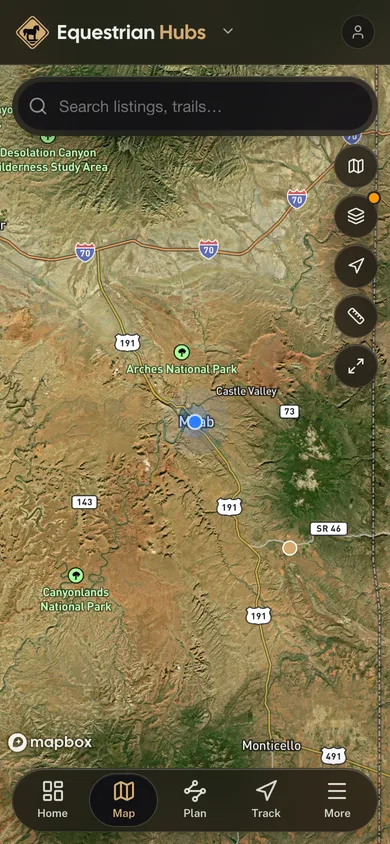
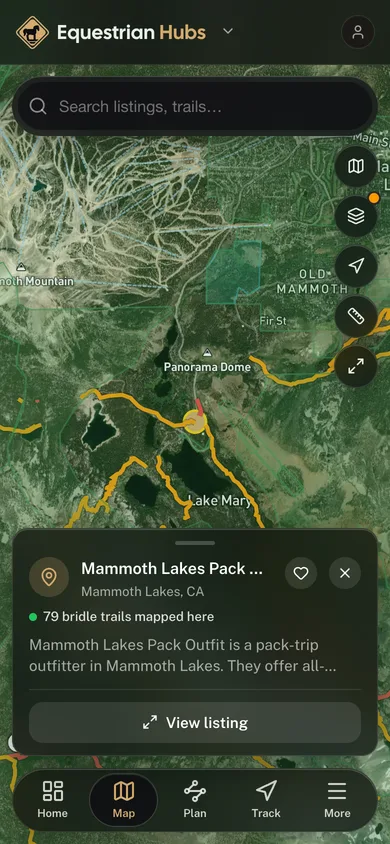
Tap a pin to open its profile.
Quick facts
- Bridle trails mapped
- 916
- Stables listed
- 27
- Best season
- June through October
All listings
27 stables
across Montana
Plan your trip
Plan your trip to Montana
Equine Activities Liability Act
Montana has an Equine Activities Liability Act (MCA 27-1-725) which limits the liability of equine activity sponsors and professionals for injuries resulting from the inherent risks of equine activities. Most operators will require participants to sign a waiver and many post warning signs regarding these inherent risks, though Montana law, unlike many states, does not require the signs to obtain this liability protection.
Riding Season and Weather
The primary riding season for extensive trail and outdoor activities typically runs from May through October. Winters can be severe, limiting outdoor riding to specific areas or requiring indoor facilities. Always check local weather forecasts, especially when planning mountain excursions.
Public Land Access
Horseback riding is generally permitted on designated trails within Montana's National Forests and Bureau of Land Management (BLM) lands. However, specific restrictions apply in certain wilderness areas or during sensitive wildlife periods. Always consult the local forest service or BLM office for current regulations and trail conditions.
Discipline Dominance
Western riding disciplines, including trail riding, ranch work, and pleasure riding, are predominant across Montana, reflecting its agricultural and ranching heritage. English riding instruction and facilities are available, primarily in more populated areas like Bozeman, Missoula, and Kalispell.
Lessons, Camps, and Guided Rides
Lessons for various disciplines, equestrian camps, and guided trail rides are widely available throughout the state, particularly during the summer months. It is highly recommended to book these experiences well in advance, especially during peak tourist season, to ensure availability.
Boarding and Training Norms
For horses entering Montana for boarding or training, a current negative Coggins test and a Certificate of Veterinary Inspection (health certificate) are typically required. While not universally mandated for adults, helmets are strongly recommended for all riders and often required for minors or during lessons by most facilities.
Confirm current requirements with the state agency before your trip. Rules and fees change every season.
Interstate Equine Movement Requirements
All equines entering Montana must be accompanied by a current Certificate of Veterinary Inspection (CVI), issued within 30 days of entry, and a negative Coggins test dated within 12 months for Equine Infectious Anemia (EIA). These documents must be presented upon request by state officials.
Montana Brand Inspection
Horses entering Montana for change of ownership, or before crossing a county line or leaving the state, are subject to brand inspection by the Montana Department of Livestock. This ensures proper ownership documentation and disease control.
Certified Weed-Free Forage
When packing into or riding on many public lands in Montana, including National Forests and designated wilderness areas, visitors are required to use certified weed-free hay, pellets, or cubes. This regulation helps prevent the spread of invasive plant species. Verify specific requirements with the land management agency for your destination.
- 01
1. Define Your Equestrian Goal
A multi-day pack trip, a guest ranch week, lessons, or boarding for your own horse, each points you to a different kind of operator and a different part of the state. Decide first; search second.
- 02
2. Research Regions and Operators
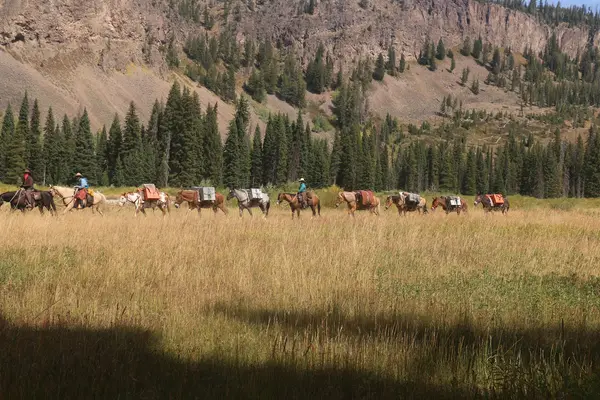
Match the region to the goal (the western mountains for pack trips, the southwest for guest ranches), then dig into operators who specialize in what you want. Read reviews and study what each outfit actually offers.
- 03
3. Verify Credentials and Availability
Confirm outfitters and academies are licensed and insured, then get them on the phone. Ask about services, pricing, and, above all, availability, because peak-season calendars fill early.
- 04
4. Understand Equine Health Requirements
Bringing your own horse? Learn Montana's interstate movement rules (Coggins test, health certificate), well before you load the trailer, so the paperwork is done when you cross the line.
- 05
5. Book in Advance
Guest ranches and the popular trail outfits book out months, sometimes a full year, ahead for summer and fall. Reserve early or ride somewhere you didn't pick.
01Are helmets required for trail rides or lessons in Montana?
02Can I bring my own horse to Montana for trail riding or boarding?
03What type of riding discipline is most common in Montana?
04Are there opportunities for multi-day pack trips into Montana's wilderness?
05How far in advance should I book a guest ranch stay or guided trail ride?
06What are the typical costs associated with equestrian activities in Montana?
Watch & learn
Watch & learn, Montana
Wrangling Wild Horses in the Mountains of Montana | Short Film Showcase
National Geographic
0Arabian HORSE climbs a mountain ~ MONTANA trail ride POV!
The Clever Cowgirl
010 Hours in the Saddle - A Day in the Life of a Montana Cowboy
Life in the West
0
Free tools
Your free outdoor toolkit

Everything Map
Listings, trails, spots, clubs and public land on a single full-screen map. Switch layers on and off, then tap any point for the details.
Open Everything MapTrail Explorer
Browse a community map of named trails with distance, difficulty, and where each one starts.
Open Trail ExplorerRoute Planner
Drop stops on a map and watch distance and drive time add up. Export a GPX or share the link.
Open Route PlannerRiding Clubs
Browse local clubs with meeting info and how to join, or start your own for free.
Open Riding ClubsPhoto ID
Point your camera at whatever you found and get a structured identification. No signup.
Open Photo IDGear Checklists
Printable, save-as-you-go packing lists. Tick items off and pull them up on your phone.
Open Gear Checklists

Keep exploring