Stables & Ranches · Arizona
Stables & Ranches in Arizona
Ride 29 stables across Arizona. Maps, hours, contact info, photos, and verified operator profiles, all in one place.
Red-rock canyons, Sonoran desert, and pine-covered high country.
About Arizona
Best time to go
When to ride in Arizona
October through April for the desert; May through October for the high country.
- November–March: the desert’s best riding, when the rest of the country is frozen
- Summer rides happen at sunrise, heat and dehydration are real risks for horses
- Spring brings wildflowers and warm, dry footing across the high desert
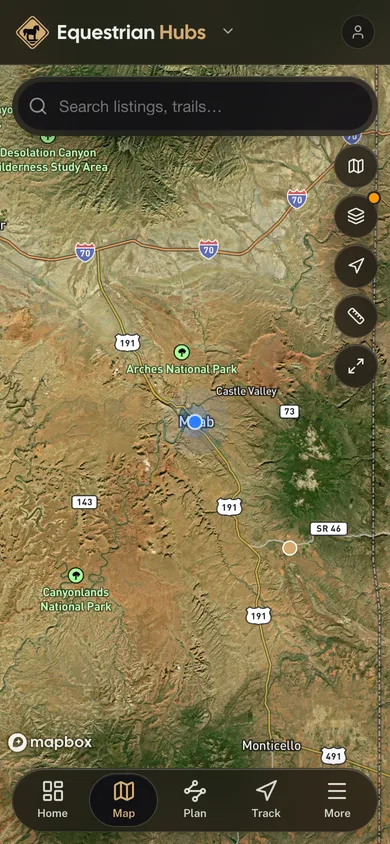
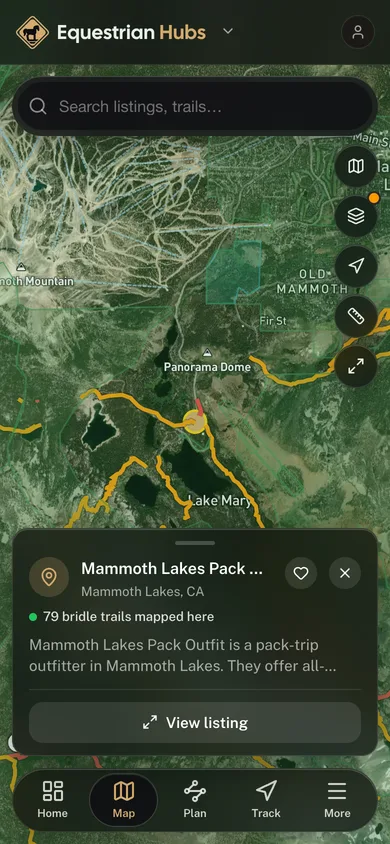
29 on the map
Tap a pin to open its profile.
Quick facts
- Bridle trails mapped
- 878
- Stables listed
- 29
- Best season
- October through April
All listings
29 stables
across Arizona
Plan your trip
Plan your trip to Arizona
Equine Activity Liability Statute
Arizona has an Equine Activity Liability Act (ARS § 12-553) which limits liability for equine owners and facilities for inherent risks. Unlike most states, Arizona's statute relies on a signed release acknowledging the inherent risks rather than posted warning signs.
Riding Season and Weather
The prime riding season in Arizona's low desert is from October to April. For higher elevations and cooler temperatures, May through September is ideal. Always prepare for intense sun and potential for sudden weather changes, including summer monsoons.
Public Land Horseback Access
Horseback riding is generally permitted on National Forests and Bureau of Land Management (BLM) lands unless otherwise posted. Always verify specific trail regulations and adhere to Leave No Trace principles when riding on public lands.
Disciplines and Availability
Western riding dominates guest ranches and guided trail rides across Arizona. English riding disciplines are more commonly found in dedicated riding academies and training barns, particularly in urban and suburban areas like Scottsdale and Tucson. Lessons, camps, and guided rides are widely available.
Boarding and Training Norms
For horses entering Arizona from out of state for boarding or training, a current negative Coggins test is typically required. Helmet use varies by facility; it's often mandated for minors and strongly recommended for all riders for safety.
Confirm current requirements with the state agency before your trip. Rules and fees change every season.
Interstate Equine Health Requirements
Horses entering Arizona from other states must have a current negative Coggins test (EIA test) and a Certificate of Veterinary Inspection (CVI) issued within 30 days of entry. These documents ensure the health status of incoming equines.
Arizona Department of AgricultureEquine Activity Liability Warning
Arizona Revised Statutes § 12-553, the Equine Activity Liability Act, limits operator liability for inherent risks. Unlike most states' sign-posting laws, Arizona's statute is release-based: operators obtain protection by having each participant (or a parent/guardian for minors) sign a release acknowledging the inherent risks before taking control of the horse.
Commercial Use Permits (Public Lands)
Outfitters conducting commercial trail rides, pack trips, or other equestrian services on National Forest or Bureau of Land Management (BLM) lands are required to obtain special use permits from the respective federal agencies. Requirements vary by district and activity.
USDA Forest Service
- 01
Define Your Equestrian Goal
A guest ranch vacation, a guided trail ride, lessons, or boarding and training for your own horse, each is a different search, so settle it first.
- 02
Choose Your Season and Region
In Arizona these are the same decision. Mild desert winters run October to April; cool mountain summers run May through September. Pick the window and the region picks itself.
- 03
Research Operations
Work through directories like Equestrian Hubs to find guest ranches, trail stables, academies, and boarding facilities that match your goal and your chosen part of the state.
- 04
Confirm Requirements and Reservations
Call ahead: availability, pricing, Coggins requirements if you're hauling your own horse, helmet policy, and whatever deposit holds your dates.
- 05
Prepare for Arizona's Climate
The sun here is serious. Pack for it, along with big temperature swings and weather that can turn without much warning. In the desert, carry more water than you think you need.
01What types of equestrian operations are available in Arizona?
02Is Arizona suitable for year-round riding?
03Are helmets required for riding in Arizona?
04Do I need a Coggins test for my horse to enter Arizona?
05Can I ride my own horse on public lands in Arizona?
06Are there specific trails for English riders versus Western riders?
Free tools
Your free outdoor toolkit

Everything Map
Listings, trails, spots, clubs and public land on a single full-screen map. Switch layers on and off, then tap any point for the details.
Open Everything MapTrail Explorer
Browse a community map of named trails with distance, difficulty, and where each one starts.
Open Trail ExplorerRoute Planner
Drop stops on a map and watch distance and drive time add up. Export a GPX or share the link.
Open Route PlannerRiding Clubs
Browse local clubs with meeting info and how to join, or start your own for free.
Open Riding ClubsPhoto ID
Point your camera at whatever you found and get a structured identification. No signup.
Open Photo IDGear Checklists
Printable, save-as-you-go packing lists. Tick items off and pull them up on your phone.
Open Gear Checklists

Keep exploring