Stables & Ranches · California
Stables & Ranches in California
Ride 122 stables across California. Maps, hours, contact info, photos, and verified operator profiles, all in one place.
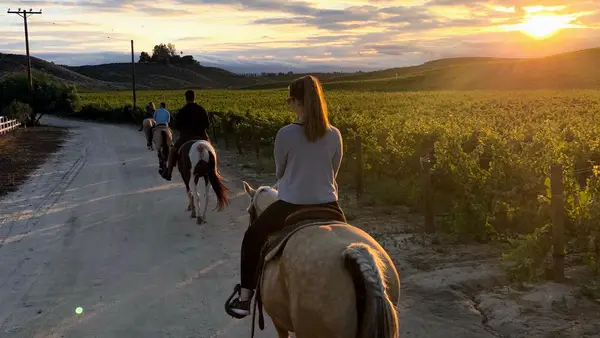
Coastline, Sierras, deserts, and redwoods. Every outdoor environment in one state.
Updated
All listings
122 stables in California
On the map
Stables, bridle trails and camping in California
Everything we have mapped in California, on one map. Tap anything for its details.
Loads the full map of California. We leave it off by default so the page opens fast on mobile data.
About California
When to ride in California
Peak Mar–May, Sep–Oct
Quick facts
- Bridle trails mapped
- 5,860
- Stables listed
- 122
- Best season
- Year-round
Trip guide
Know before you go in California
Federal permits, lotteries and timed-entry reservations in California, from Recreation.gov.
- Timed entrySan Gabriel Canyon OHV Area Vehicle Tickets
- Timed entryYosemite National Park Ticketed Entry
- PermitCleveland National Forest PCT Overnight Permits
- PermitDeath Valley National Park Wilderness Permits
- PermitDesolation Wilderness Permit
- PermitHumboldt-Toiyabe National Forest: Hoover Wilderness Permits
- PermitInyo National Forest: Wilderness Permits
- PermitJoshua Tree National Park Wilderness Backpacking Permits
- PermitKing Range Wilderness Permits (Lost Coast)
- PermitLassen Volcanic National Park Wilderness Permits
- PermitRedwood National Park Backcountry Permits
- PermitSequoia & Kings Canyon Wilderness Permits
Confirm current requirements with the agency that sets them before your trip. Rules and fees change every season.
Equine Activity Warning Sign
Unlike most states, California has no Equine Activity Liability Act and no statutory equine warning-sign requirement; horse-injury claims fall under the common-law assumption-of-risk doctrine. Many operators still post warning signs and require signed liability waivers. Riders should always be aware of the inherent risks involved with horses.
California Legislative InformationOut-of-State Horse Entry Requirements
Horses entering California from another state or country must be accompanied by a Certificate of Veterinary Inspection (CVI) issued within 30 days of entry and a negative Equine Infectious Anemia (EIA/Coggins) test conducted within the previous 12 months. This is crucial for anyone bringing their own horse to a boarding facility, guest ranch, or trail head.
California Department of Food and AgricultureHelmet Requirement for Minors
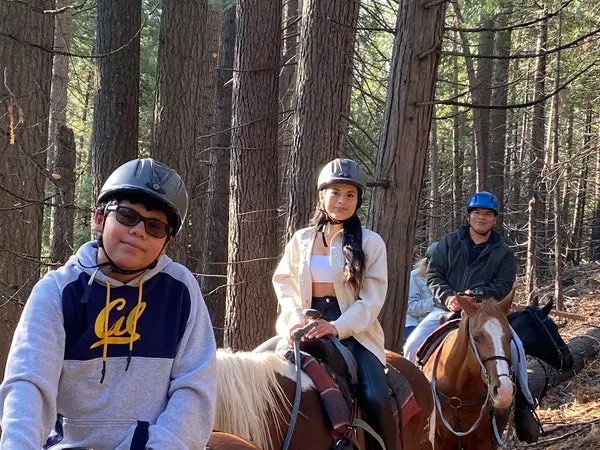
California Vehicle Code Section 21300 requires any person under 18 years of age riding an equestrian animal on a paved highway to wear a properly fitted and fastened helmet meeting ASTM or CPSC standards. Many riding academies and stables extend this requirement to all minors on their property for safety reasons.
California Legislative Information
01Do I need a Coggins test to bring my horse to California?
02Are helmets required for horseback riding in California?
03Can I ride my own horse on public trails in California?
04What types of equestrian operations are most common in California?
05What is the best time of year for a pack trip in the Sierra Nevada?
06Are there opportunities for English riding disciplines in California?
Free tools