Skip to content
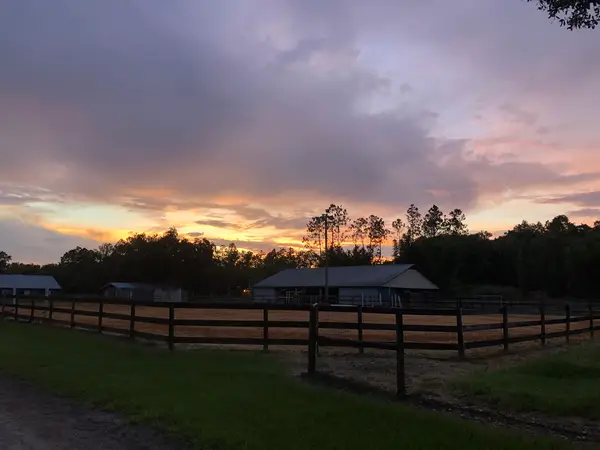
Florida horse country. Backdrop for the Equestrian Hubs Florida stable directory

Stables & Ranches · Florida

Stables & Ranches in Florida

Ride 108 stables across Florida. Maps, hours, contact info, photos, and verified operator profiles, all in one place.

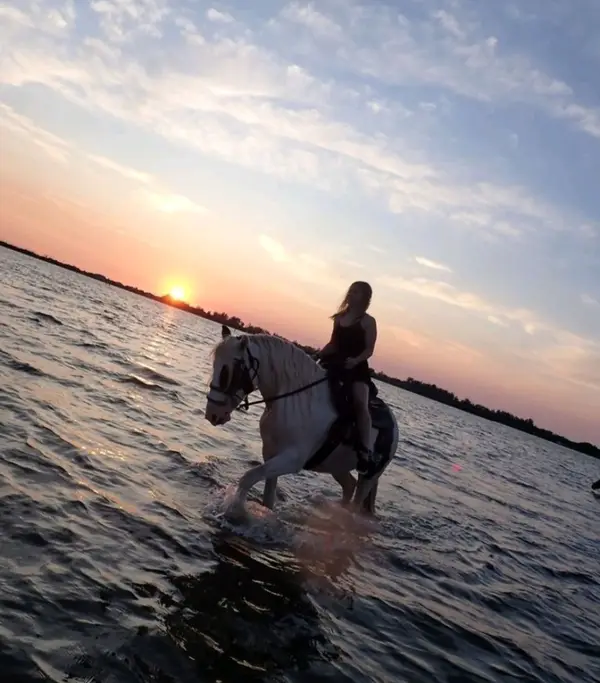
Saltwater flats, springs, and the largest subtropical wilderness in the US.

Updated

All listings

108 stables in Florida
All states

On the map

Stables, bridle trails and camping in Florida

Everything we have mapped in Florida, on one map. Tap anything for its details.

Loads the full map of Florida. We leave it off by default so the page opens fast on mobile data.

  • Details
  • Details
  • Details
  • Details
  • Details
  • Details
  • Details
  • Details

About Florida

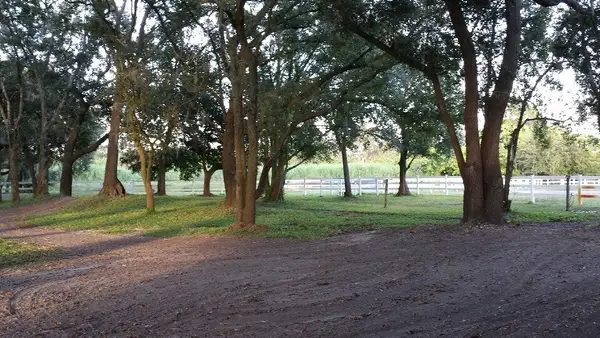
Florida's horse country hides in plain sight behind the beaches and theme parks. The rolling hills around Ocala in Marion County, the region calls itself the 'Horse Capital of the World' and has the farms to argue it, sit a couple of hours from the ranchland running through the central peninsula near Kissimmee and Okeechobee. Trails cross cypress swamp, pine forest, and coastal hammock, and a rider can pass through three ecosystems before lunch.

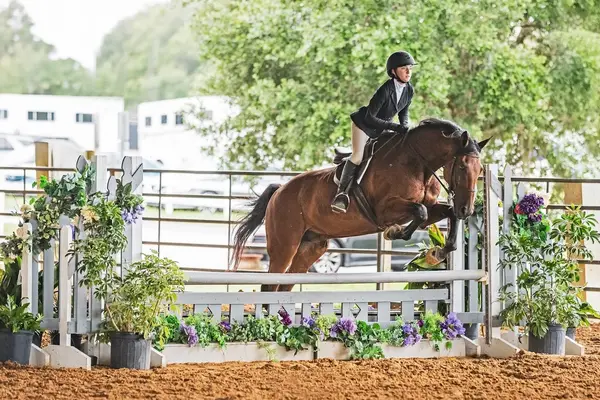
Flat does not mean uniform here. The Ocala National Forest alone holds long trail networks through sand pine scrub and flatwoods, and at Paynes Prairie Preserve State Park you can ride within sight of wild horses and bison. That range of ground supports the full spread of the sport: lazy guided trail rides, serious show circuits, and breeding operations that ship horses worldwide.

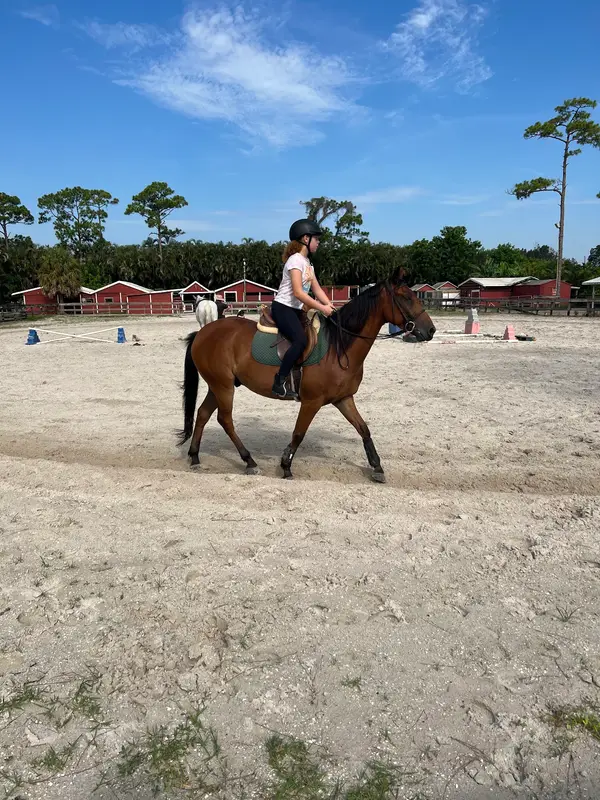
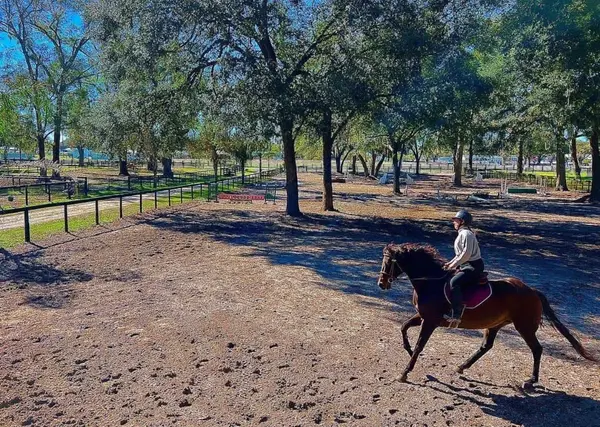
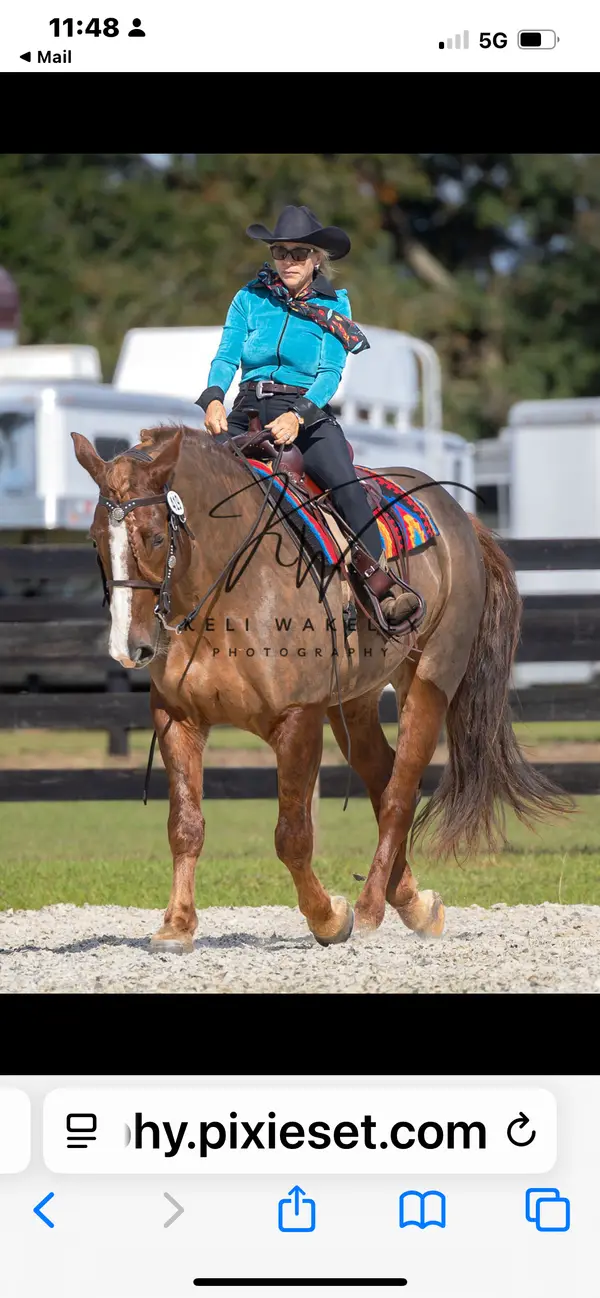
The operations sort themselves by geography. Guest ranches around Lake Wales and Arcadia run cattle drives and Western riding in the old cracker cowboy tradition, Florida had cowboys before the West did. Marion County concentrates the academies and training barns, teaching everything from dressage and show jumping to reining and cutting. Trail stables turn up almost everywhere else, near the tourist corridors and inside the state and national forests.

For horse owners, the winter migration is the story: when the North freezes, its horses come here, and the boarding and training economy is built to receive them. Veterinary services, feed suppliers, and farriers operate at a scale few states match. Pack outfitters are scarcer than out West, but where the wilderness trails run long (the Apalachicola National Forest, the bigger state forests), multi-day trips into Florida's wild interior are still on offer.

When to ride in Florida

Peak Mar–Apr, Oct–Nov

Full season

Quick facts

Bridle trails mapped
371
Stables listed
108
Best season
October through May

Trip guide

Know before you go in Florida

Confirm current requirements with the agency that sets them before your trip. Rules and fees change every season.

  • Equine Health Certificates & Coggins Test

    All equids entering Florida must have a current Certificate of Veterinary Inspection (health certificate) issued within 30 days of entry and a negative Coggins test for Equine Infectious Anemia (EIA) conducted within the last 12 months. These documents are also typically required for boarding, showing, or participating in equestrian events within the state.

    Florida Department of Agriculture and Consumer Services
  • Equine Activity Liability Signage

    Equine activity sponsors and professionals in Florida are generally required by law (Florida Statute 773.04) to post specific warning signs in a clearly visible location at or near the equestrian activity. These signs inform participants of the inherent risks associated with equine activities and the limitations of liability for operators.

  • State Forest Use Permits

    For horseback riding on designated trails within Florida's State Forests, a State Forest Use Permit may be required. These permits can typically be purchased annually or for shorter durations and help fund trail maintenance and facilities. Always verify permit requirements with the specific State Forest you plan to visit.

01What health documents do I need for my horse in Florida?
Two things, both current: a Certificate of Veterinary Inspection issued within 30 days of entry, and a negative Coggins test for Equine Infectious Anemia run within the last 12 months. The same paperwork generally gets asked for at boarding barns, shows, and events inside the state.
02Are helmets required for riding in Florida?
Not by state law across the board, but most reputable academies and trail stables require them, especially for minors and in lessons. Wear an ASTM/SEI certified helmet regardless; it's the cheapest insurance in the sport.
03Can I ride my horse on public lands in Florida?
Yes. Many state parks, state forests, and the Ocala National Forest maintain designated equestrian trails. Some charge day-use fees or require a permit for horses, so check the specific land manager's rules before you haul.
04What's the best time of year to visit Florida for equestrian activities?
December through February: mild temperatures, low humidity, and the state's equestrian calendar at full throttle. Spring and fall ride nearly as well. Summer means dawn or dusk in the saddle and nothing in between.
05What types of riding disciplines are popular in Florida?
The state runs the full spread. Western riding rules the trail strings and ranch country; North Central Florida around Ocala is the English powerhouse (Thoroughbred racing, hunter/jumper, dressage, eventing), with facilities that host world-class competition.
06Are there options for beginners or children in Florida's equestrian scene?
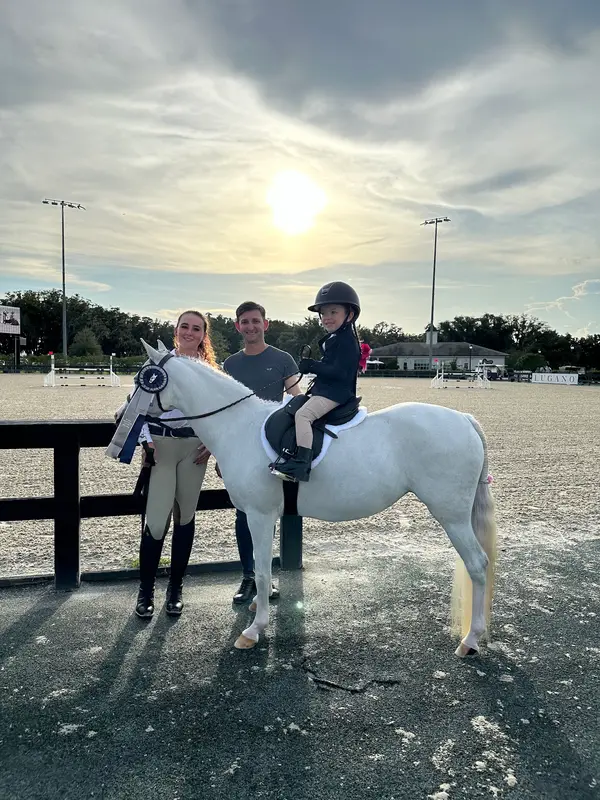
Plenty. Academies teach beginner lessons at every age, trail stables run gentle guided rides paced for novices and kids, and guest ranches build family programs around riders who've never sat a horse. A first ride is easy to arrange almost anywhere in the state.